George Town, British Virgin Islands, March 17th, 2026, Chainwire
Aster, a privacy-focused trading ecosystem backed by YZi Labs, today announced the official launch of Aster Chain Mainnet. This purpose-built Layer 1 blockchain is designed to dismantle the “transparency trap” of modern DeFi, offering institutional-grade privacy and CEX-level performance to professional and retail traders worldwide.
Ending the Era of Onchain Position Hunting
Transparency is a defining characteristic of decentralized finance, supported by public ledgers, verifiable transactions, and open protocols. However, transparency between protocols and users differs from transparency among market participants. When trading activity, including order placement, position size, and liquidation levels, is fully visible on-chain, such information may be observed and used by other participants in the market.
Position hunting – where traders identify a large position, see its liquidation price, and coordinate to trigger a forced liquidation – has cost traders millions of dollars on fully transparent platforms. Infamously, in March 2025, a trader opened a $375 million BTC 40x short on a fully transparent platform. Traders quickly began openly coordinating on Twitter to pool funds and hunt the position.
Aster’s default privacy removes that attack surface entirely.
The Aster Thesis: Privacy is a Fundamental Right
Unlike existing solutions that treat privacy as an opt-in feature or a third-party wrapper, Aster Chain embeds encryption directly into the execution layer. On Aster, privacy is the default, not a privilege.
The Aster privacy stack utilizes a ZK-verifiable encrypted architecture:
ZK-Verifiable Encryption + Stealth Address Mechanism: Every order is ZK-verifiable encrypted before it reaches the chain; with Account Privacy enabled, orders are routed through unique stealth addresses, ensuring no link between users’ wallets and their trading activity, and preventing any third party from tracing, correlating, or reconstructing trades.
Selective Disclosure: While asset transfers remain traceable for compliance, the execution layer shields strategic intent. Users who want their activity visible can choose to make it public. With Account Privacy enabled, users can generate a Viewer Pass to share with selected parties, allowing only those with access to the pass to view their private orders.
Zero Performance Trade-off: Aster Chain achieves peak throughput of 100,000+ TPS and a median block time of 50ms, all without gas – performance that matches the speed traders expect from a centralized exchange.
“Transparency between a protocol and its users is a fundamental feature, but transparency between a trader and their competitors is a critical vulnerability,” said Leonard, CEO at Aster. “Aster Chain is the only architecture that treats privacy as a fundamental requirement for a fair market, neutralizing predatory attacks at the base layer.”
CEX Speed Meets DEX Principles
Aster Chain delivers the sub-second finality and high-leverage experience of a CEX while upholding the core tenets of decentralization: self-custody, verifiability, and permissionless access. Trading privacy removes the last reason to stay on a centralized exchange. The network is supported by a native bridge to BNB Chain and proprietary oracles to ensure high-fidelity price data.
Fuelling the Next Wave of Innovation
The mainnet launch marks the start of a phased expansion. Beyond the flagship Aster trading UI, the ecosystem is inviting builders to create specialized vaults and collaborative DeFi products through Aster Code.
To coincide with the launch, Aster will initiate a Staking Program within a week to reward early supporters and liquidity providers.
About Aster
Aster is a privacy-first onchain trading platform backed by YZi Labs, with unique features like Hidden Orders to protect user trading activity. It offers perpetual contracts across crypto, stocks and commodities, as well as crypto spot trading, and is powered by Aster Chain, a Layer 1 blockchain built to power the future of decentralized finance.
Playnance has launched GCOIN Staking, a new mechanism designed to deepen participation within the company’s expanding Web3 entertainment ecosystem. The staking program is now live on the PlayW3 platform and immediately attracted strong interest, with over 250 million GCOIN tokens locked by users within the first hours following its release.
The initiative enables GCOIN holders to stake their tokens and receive rewards tied to the broader activity of the Playnance ecosystem. The launch also arrives ahead of the upcoming GCOIN Token Generation Event scheduled for March 18, marking another step in the evolution of the token’s economic model.
Staking allows users to lock their tokens in smart contract pools while participating in rewards distributed through the ecosystem. The mechanism encourages long term engagement by aligning user incentives with the growth and performance of the platform.
Participants can stake a minimum of 1,000 GCOIN through four available lock periods of six, nine, twelve, or eighteen months. Longer commitments provide higher reward weight within the staking program.
Once staking is activated, rewards begin accumulating after 24 hours. Users can claim rewards once the selected staking period reaches maturity. While early withdrawals remain possible, users who exit early forfeit the rewards associated with their stake.
According to Playnance CEO Pini Peter, the staking initiative reflects the company’s broader vision for building a collaborative Web3 ecosystem.
“Through staking, the Playnance community becomes an active part of the ecosystem’s growth,” Peter said. “As the network continues to expand, token holders can become active contributors to its long-term development.”
A key feature of the staking system is its connection to ecosystem activity. Unlike conventional staking models that rely on inflationary emissions, Playnance distributes rewards through an ecosystem allocation tied to platform performance.
As more users engage with Playnance products, the revenue generated through the network contributes to the pool of staking rewards. This model helps align incentives between the success of the ecosystem and the rewards received by participants.
GCOIN serves as the foundational asset powering Playnance’s Web3 entertainment infrastructure, supporting a range of digital experiences, including social gaming, prediction markets, and trading environments.
By introducing staking, Playnance aims to strengthen the long term stability of the GCOIN economy while giving community members an opportunity to participate in the platform’s ongoing evolution.
Pharos Network has introduced a new “Intelligence Partners” cohort within its RealFi Alliance focused on research, analytics, and institutional infrastructure.
The group includes Dune, Four Pillars, Web3Caff Research, Anchorage Digital, Alchemy, Aquaflux, and Yield Network, each contributing different capabilities to the ecosystem.
The initiative aims to improve transparency and standardize research and data frameworks for real-world assets operating onchain.
Pharos expands RealFi Alliance with research and infrastructure partners
Pharos Network has expanded its RealFi Alliance with a new group of partners focused on research, analytics, and institutional infrastructure. The initiative introduces what the project calls “Intelligence Partners,” a cohort designed to strengthen transparency and data standards in decentralized finance ecosystems.
The partners include Dune, Four Pillars, Web3Caff Research, Anchorage Digital, Alchemy, Aquaflux, and Yield Network. According to the announcement, the group is intended to address information gaps that can make institutional participation in decentralized markets more challenging.
Pharos is proud to unveil the "Intelligence Partners" of the Pharos RealFi Alliance, a cohort dedicated to bringing radical transparency and institutional-grade research to the RWA ecosystem
— Pharos | Mainnet Soon (@pharos_network) March 13, 2026
The RealFi Alliance previously focused on core infrastructure and asset issuance. This new cohort adds capabilities around research, data analytics, and financial infrastructure to support the broader ecosystem as it develops.
Within the framework, each partner contributes a different component. Research firms Four Pillars and Web3Caff Research will provide institutional market analysis and reports aimed at connecting traditional financial modeling with onchain activity. Meanwhile, Dune will supply real-time dashboards designed to track capital flows linked to tokenized real-world assets.
Infrastructure also plays a role in the initiative. Alchemy will provide developer infrastructure for building applications, while Anchorage Digital offers regulated custody and banking services. Aquaflux and Yield Network are responsible for managing liquidity and coordinating capital allocation within the ecosystem.
Wish Wu, co-founder and CEO of Pharos, said the focus on verified data and research reflects what institutional investors typically look for when evaluating new markets.
“Institutional capital doesn’t just move for high yields. It moves for high-conviction data and verified intelligence,” Wu said, adding that the partnerships are intended to bring levels of transparency similar to those expected in traditional capital markets.
Toward standardized research for onchain assets
One of the central goals of the Intelligence Partners cohort is the development of a standardized “RealFi Research Framework.” Participating organizations will collaborate on reports and data standards that define how performance, risk, and compliance are evaluated for tokenized real-world assets.
These standards are expected to provide a consistent way for institutions and market participants to assess onchain assets. The framework also aims to create clearer reporting and analytics structures as the network approaches its mainnet launch.
Pharos positions itself as a financial Layer 1 designed for RealFi — a concept centered on bringing real-world value and institutional-grade assets onto blockchain infrastructure while maintaining compatibility with decentralized finance applications. The network combines modular architecture, parallel transaction processing, and built-in compliance mechanisms to support these use cases.
The bottom line
By adding research firms, analytics platforms, and institutional infrastructure providers to its RealFi Alliance, Pharos Network is attempting to build a more transparent environment for onchain financial markets. The initiative focuses on improving data availability, analytical rigor, and standardized reporting for tokenized real-world assets.
If the framework gains adoption, it could help create clearer benchmarks for evaluating onchain assets and potentially make decentralized financial ecosystems easier for institutional participants to analyze and navigate.
Crypto arbitrage scanners are automated tools that scan multiple cryptocurrency exchanges in real time to identify arbitrage opportunities.They can alert traders to profitable opportunities and even execute trades on their behalf with the use of advanced crypto trading bots.
Crypto arbitrage is the process of buying a cryptocurrency on one exchange and selling it on another exchange for a higher price. This is possible because cryptocurrency prices can vary between exchanges, sometimes by a significant margin.
In this article, we are going to examine the 9 best crypto arbitrage scanners and explore their key features, pricing structures, bot customization, and more.
The best crypto arbitrage scanners in 2026:
ArbitrageScanner – The leading crypto arbitrage scanner in the market
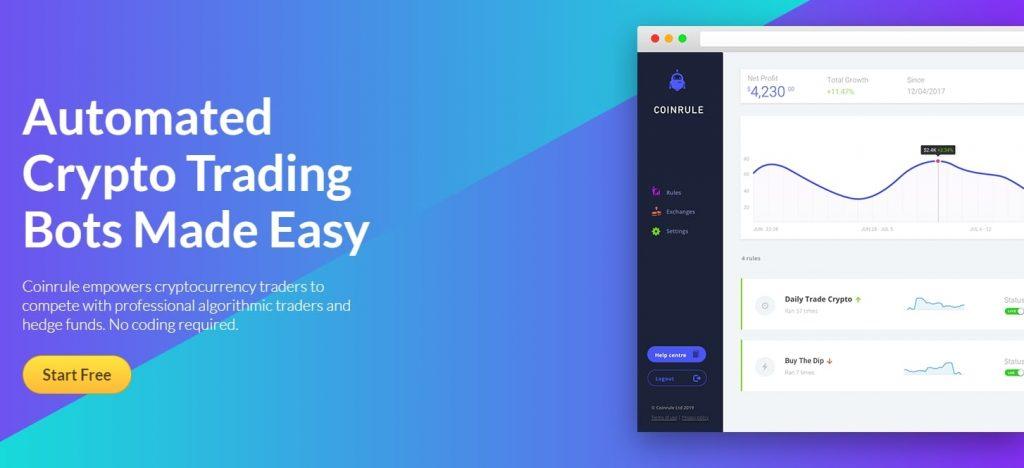
Coinrule – A beginner-friendly platform for arbitrage traders
TradeSanta – Crypto arbitrage finder with native iOS and Android apps
3Commas– Native app marketplaces for automated crypto trading strategies
Pionex – Crypto exchange with powerful trading bot features
Blackbird – Open-source crypto arbitrage bot for advanced users
The 9 best crypto arbitrage scanners: Top automated tools for profitable trading in 2026
The following list includes the best cryptocurrency arbitrage scanners currently available in the market. We compared them based on exchange coverage, network scanner, screener features, pricing structure, mobile app support, and more.
1. ArbitrageScanner – The leading crypto arbitrage scanner in the market
ArbitrageScanner is a comprehensive cryptocurrency arbitrage trading tool that covers both centralized and decentralized exchanges. It boasts an extensive list of features and capabilities that can be of interest to traders seeking arbitrage opportunities. Here’s an overview of its key attributes:
Exchange coverage: ArbitrageScanner supports a wide range of exchanges, encompassing more than 75 centralized exchanges (CEX) and over 25 decentralized exchanges (DEX). Additionally, it operates on 10 different blockchains, making it one of the most versatile tools available.
Blockchain network scanning: The platform scans 10 major blockchain networks, including Ethereum, BNB Chain, Polygon, Avalanche, Arbitrum, Optimism, Fantom, Gnosis, Klaytn, and Aurora. This feature enables users to identify price disparities between tokens on different networks, potentially creating arbitrage opportunities.
Cross-chain arbitrage: ArbitrageScanner claims to be the only scanner supporting cross-chain arbitrage. This type of arbitrage can offer higher profit margins compared to intra-chain arbitrage by taking advantage of price differences between different blockchain networks.
Screener feature: The platform offers a customizable screener feature, allowing users to define their criteria for identifying arbitrage opportunities. Users can specify exchanges, coins, trading pairs, and profit thresholds, and the platform will send notifications when matching opportunities arise. This feature can be suitable for beginners with small balances who want to make multiple daily trades.
Pricing plans: ArbitrageScanner offers four subscription plans, with prices ranging from $69 to $795 per month. The cheapest plan includes a 30-day trial period, while higher-tier plans come with additional benefits such as turnkey scanner setup, voice curator support, and access to a closed community. The platform also provides free arbitrage training to all users.
Supported exchanges: The platform supports a variety of DEXes and notable centralized exchanges like Binance, Bybit, OKX, KuCoin, Coinbase, Crypto.com, and more.
Key features of ArbitrageScanner:
Supports over 100,000 crypto assets, 75+ CEX, and 25+ DEX.
Scans DEXes across 10 different blockchains.
Automatically identifies arbitrage bundles and sends customizable notifications.
Enables arbitrage trading without holding coins in your portfolio.
Notifies users about cross-chain arbitrage opportunities.
Focuses solely on notifications and does not access users’ crypto.
Users with Pro plans and above gain access to a VIP Manager and private chat with experienced arbitrage traders.
ArbitrageScanner operates through Telegram, making it accessible to users on various devices.
2. Cryptohopper – An AI-powered trading bot platform
Cryptohopper is an AI-powered trading bot designed for cryptocurrency markets, utilizing advanced algorithms and strategies to execute trades on behalf of users. Here’s an in-depth look at its features:
Automated trading: Cryptohopper operates by connecting to various cryptocurrency exchanges, enabling it to access and trade within users’ accounts. It is engineered to enhance efficiency and profitability by automating a range of trading activities.
Customizable parameters: Users have the flexibility to tailor the bot’s behavior according to their preferences. They can set parameters such as trading pairs, buy/sell signals, and stop-loss levels. Additionally, users can make use of trading templates for added convenience.
Market monitoring: The bot continually tracks market conditions and executes trades based on the predefined settings. It can deploy strategies rooted in technical analysis and incorporate signals from third-party sources. Cryptohopper is also equipped to conduct triangular arbitrage scans and leverage Binance’s arbitrage scanner data.
User-friendly interface: Cryptohopper offers a web-based interface that empowers users to monitor ongoing trades, access historical data, and make adjustments to their settings. This user-friendly interface simplifies the trading experience.
Backtesting: For strategy evaluation, Cryptohopper provides a backtesting feature that allows users to assess trading strategies using historical market data. This aids traders in making informed decisions based on past performance.
Mobile access: Cryptohopper offers mobile apps for both Android and iOS platforms, ensuring that users can manage their trades on the go.
Pricing: Cryptohopper offers a starting price of $29 per month, making it accessible for traders with varying budgets. Additionally, it provides a 3-day free trial, allowing users to explore its capabilities before committing. However, users can buy plans all the way up to $129 per month for additional perks such as more event-based triggers and extra technical indicators.
Supported exchanges: Cryptohopper is compatible with a wide range of exchanges, including Binance, KuCoin, Coinbase, Kraken, Huobi, Bybit, Crypto.com, OKX, and more.
Key features of Cryptohopper:
Access to up to 75 trading bots for comprehensive market scanning.
Unified terminal for managing multiple exchange accounts efficiently.
Advanced price trailing features to optimize trading strategies.
Utilizes AI for data-driven trading decisions.
Offers copy trading and trading templates for strategy replication.
Supports dollar-cost averaging, market-making, short selling, and arbitrage trading options.
3. Crypto.com – Crypto exchange with automated arbitrage trading feature
Crypto.com is a well-established cryptocurrency exchange that offers a diverse suite of automated trading tools, including an arbitrage trading bot. With a focus on seamless integration, the platform enables users to leverage arbitrage strategies directly within the Crypto.com ecosystem, eliminating the need for third-party tools.
Automated arbitrage trading: Crypto.com’s arbitrage bot is designed to capitalize on market inefficiencies by executing trades based on two core strategies: Positive carry (long spot, short perpetual contract) and Reverse carry (short spot, long perpetual contract). By automating these strategies, traders can potentially secure profits from price differences within the Crypto.com exchange.
User-friendly interface: The platform makes it easy for users to set up and deploy arbitrage bots. Within the “Trading Bots” section, users can quickly create a bot for their preferred trading pair, specify the trade amount, and let the system handle execution. This intuitive process allows both beginners and experienced traders to take advantage of automated trading with minimal complexity.
Arbitrage opportunities: Unlike traditional arbitrage scanners that identify price discrepancies across multiple exchanges, Crypto.com’s arbitrage bot focuses on intra-exchange arbitrage within its own ecosystem. By leveraging perpetual contracts and spot trading pairs, traders can execute arbitrage strategies without needing to transfer funds across different platforms, reducing risks related to withdrawal delays and fees.
Additional automated trading tools: Beyond arbitrage trading, Crypto.com provides a range of automation tools tailored for various market conditions. These include a DCA bot for systematic investment strategies, a Grid bot for profiting from market fluctuations, and a TWAP bot for executing large orders efficiently. These tools enhance traders’ ability to automate their strategies within the Crypto.com platform.
Mobile access: Crypto.com ensures seamless accessibility with its fully-featured mobile apps for iOS and Android. This allows traders to monitor their arbitrage bots, make adjustments, and execute trades on the go, ensuring that they never miss a potential opportunity.
Pricing: A major advantage of Crypto.com’s arbitrage bot is that it is completely free to use for all Crypto.com users. Unlike third-party arbitrage scanners that charge subscription fees, Crypto.com integrates arbitrage trading directly into its platform without additional costs. This makes it an attractive option for traders looking to implement arbitrage strategies without incurring extra expenses.
Key features of Crypto.com:
Integrated arbitrage bot with automated trading execution.
Supports both positive carry and reverse carry strategies.
Intra-exchange arbitrage reduces risks from withdrawal delays and fees.
Additional DCA, Grid, and TWAP bots for diverse trading strategies.
User-friendly setup within the Crypto.com “Trading Bots” section.
Fully accessible via iOS and Android mobile apps.
Completely free to use, with no additional costs for arbitrage trading.
Bitsgap is a comprehensive cryptocurrency trading platform and bot designed to simplify and automate trading strategies in the crypto market. Below is an overview of its key features and functionalities:
Automated trading: Bitsgap streamlines trading by automating trades for users through API key connections to their exchange accounts. It offers users the flexibility to customize parameters such as trading pairs, indicators, and stop-loss levels according to their preferences.
Market monitoring: The platform’s trading bot continuously monitors the cryptocurrency market and executes trades based on predefined settings. This automation helps users stay on top of market movements without constant manual oversight.
Unified interface: Bitsgap provides a unified interface that consolidates multiple exchanges, offering users easy access to real-time market data and performance tracking. This centralized view simplifies portfolio management and trading across various exchanges.
Arbitrage opportunities: Bitsgap goes beyond basic trading by actively scanning for price disparities among more than 30 digital assets, enabling users to capitalize on arbitrage opportunities when market conditions favor it.
Demo trading mode: Bitsgap offers a demo trading mode for users looking to test their strategies risk-free.This feature allows traders to simulate trades and evaluate their strategies without risking real funds.
Pricing: Bitsgap is one of the cheapest arbitrage scanners on the market, with plans ranging from $26 for the Starter plan to $135 for the Pro plan.
Supported exchanges: Binance, KuCoin, Coinbase, Kraken, Huobi, Bybit, Crypto.com, OKX, and more.
Key features of Bitsgap:
Create GRID and DCA (Dollar-Cost Averaging) strategies using trading bots.
Smart orders for controlling risk-to-reward ratios.
Customizable order types, including Stop Loss, Take Profit, Trailing Take Profit, and OCO (One Cancels Other) orders.
Supports various order types, including limit, market, and scaled orders.
Provides a trading terminal that connects to popular exchanges.
Access to pre-made trading bot strategies for added convenience.
Pricing starts at $23 per month, making it accessible to traders with different budgets.
Offers a 7-day free trial period for users to explore its features.
Accessible through a web app, ensuring platform availability on various devices.
5. Coinrule – A beginner-friendly platform for arbitrage traders
Coinrule is a user-friendly automated platform designed to simplify cryptocurrency trading, making it accessible to traders of all levels of expertise. Here’s a detailed overview of its features:
Simplified trading: Coinrule aims to streamline cryptocurrency trading by allowing users to create and execute trading strategies without requiring coding skills or advanced technical knowledge. It offers a selection of pre-made template strategies, and users can also build their own based on their specific criteria.
Visual interface: Users can define trading rules and conditions using a visual interface, making it easy to implement their strategies. The platform employs an “if this, then that” logic, enabling users to set events or market conditions that trigger specific actions, such as buying, selling, or executing other trade orders. This approach simplifies strategy creation and execution.
Wide exchange support: Coinrule operates on various cryptocurrency exchanges, including Binance, KuCoin, Coinbase, Kraken, BitMEX, Crypto.com, OKX, and supports a diverse range of trading pairs, providing traders with flexibility and choice in their trading activities.
Leverage trading: Coinrule goes beyond standard trading by offering the option to use leverage in crypto strategies. This feature allows traders to increase their exposure to the markets, potentially magnifying both profits and losses.
Pricing: The paid plans for Coinrule range from $29.99 to $449.99 per month. It’s worth noting that Coinrule has one of the best free account plans around. The so-called Starter plan comes with 2 live rules, 7 template strategies, and up to $3,000 in monthly trading volume, and it is free forever. This makes Coinrule the best free crypto arbitrage scanner in our oppinion.
Key features of Coinrule:
Create trading rules based on popular indicators like RSI, SMA, and more.
Up to 50 live trading rules to manage multiple strategies simultaneously.
The “Pro” plan includes unlimited template trading strategies.
Execute up to 10,000 orders per rule, providing ample capacity for active trading.
Supports both market and limit orders, giving users control over execution.
Offers a starting price of $29.99 per month, making it accessible for various budgets.
Provides an indefinitely long free trial to allow users to explore its functionality.
Offers an Android mobile app for on-the-go trading.
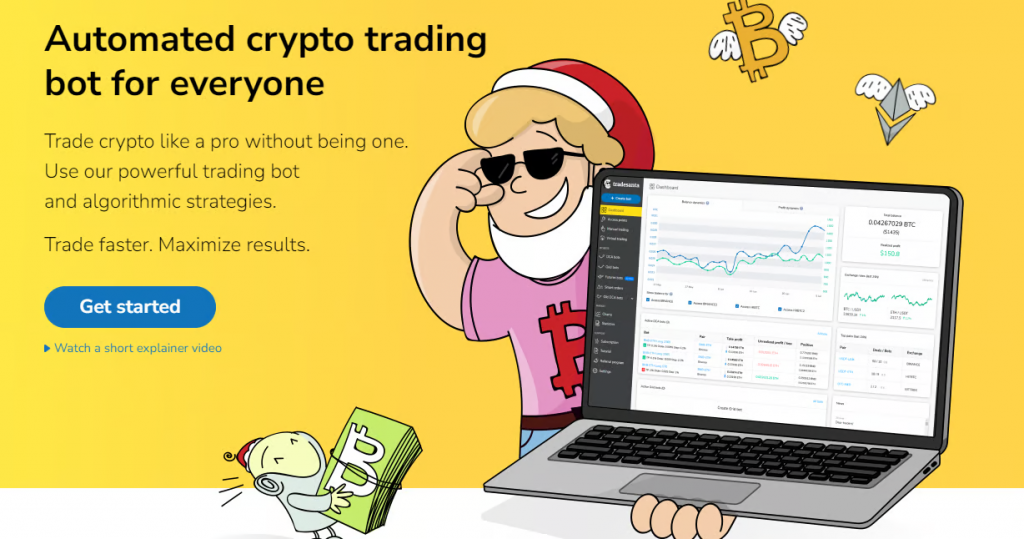
6. TradeSanta – Crypto arbitrage finder with native iOS and Android apps
TradeSanta is a crypto arbitrage platform designed for both beginner and advanced traders, offering a seamless experience across desktop, web browsers, and mobile devices. With an intuitive interface and a broad selection of automation tools, the platform simplifies arbitrage trading while providing advanced customization options for users seeking to fine-tune their strategies.
Unified interface: TradeSanta’s interface allows users to manage multiple trading bots, track real-time market data, and adjust settings effortlessly. The dashboard presents all essential trading information in a clear and organized format, making it easy to monitor active trades, view portfolio performance, and fine-tune strategies without unnecessary complexity.
Automated trading capabilites: The platform’s automated trading capabilities include a range of bot options such as grid bots, DCA bots, and arbitrage bots, allowing traders to take advantage of different market conditions. Additionally, TradeSanta enhances automation with trailing stops and integrations with social trading signals, helping users optimize their trades with minimal manual intervention.
Multi-device accesibility: TradeSanta ensures accessibility on all devices, supporting iOS, Android, and desktop platforms. Users can manage their trades from anywhere, switching between desktop and mobile devices without losing progress. The mobile apps maintain the full functionality of the web platform, making it easier to execute and monitor trades on the go.
Pre-configured trading templates: Traders can choose from over 25 pre-configured trading templates, which offer a simplified approach for those who prefer to use proven strategies. These templates help reduce the learning curve, enabling users to start trading quickly without the need for extensive setup or programming knowledge.
Exchange support: The exchange support on TradeSanta includes major cryptocurrency platforms such as Binance, Kraken, Coinbase, OKX, HTX, and Bybit. Through API integration, users can connect their exchange accounts securely and execute arbitrage strategies without manually placing trades.
Pricing: TradeSanta’s pricing starts at $25 and goes up to $90 per month with no long-term contract requirements. The platform also offers a free trial, allowing users to explore its features before committing to a paid plan.
Key features of TradeSanta:
Unified interface for managing multiple bots and tracking market data.
Automated trading with support for grid, DCA, and arbitrage bots.
Fully accessible on desktop, iOS, and Android devices.
25+ pre-configured trading templates for an easy setup.
Supports multiple trading signals, including MACD, RSI, and Bollinger Bands.
API integration with major exchanges like Binance, Kraken, Coinbase, and more.
3Commas is a highly regarded trading platform among crypto arbitrage enthusiasts, offering a suite of tools and features designed to support users in their trading endeavors. Here’s a comprehensive overview of its offerings:
Automated trading: 3Commas empowers users to configure automated trading bots with precise parameters, including options like leverage settings. However, it’s important to note that using leverage in the crypto market carries a high risk and could result in substantial losses.
Smart trading terminals: The platform provides two smart trading terminals, namely SmartTrade and Terminal, catering to both automated and manual trading strategies. These terminals offer flexibility in executing trades.
Copy trading: 3Commas introduces a “Copy Trading” feature, allowing users to follow successful traders and integrate their strategies seamlessly with trading bots.
Demo account: For risk-free practice, 3Commas offers a “Demo” account where users can simulate trades without using real funds. This is an excellent way for beginners to gain experience.
Portfolio management: Users can efficiently manage their portfolios with the platform’s portfolio management tools, ensuring a comprehensive view of their assets and performance.
Customizable alerts: The platform includes customizable alerts, enabling users to stay informed about market movements and potential opportunities.
Backtesting: To refine trading strategies, 3Commas offers backtesting capabilities, allowing users to evaluate their strategies using historical data. This is valuable for identifying potential triangular arbitrage opportunities.
Developer-friendly: 3Commas opens up opportunities for developers by permitting them to leverage the platform’s infrastructure to create and publish their own apps in the 3Commas marketplace.
Pricing: The free plan is free forever, allowing users to make use of simple bot strategies free of charge. Paid plans start at $49/month for the Pro plan and $79/month for the Expert plan. There’s also an option for a custom plan that’s available to those who might find the constraints of the Expert plan too limiting.
Supported exchanges: Supports a wide range of exchanges, including Binance, KuCoin, Coinbase, Kraken, Huobi, Bybit, Crypto.com, OKX, and more.
Key features summary:
Smart trading terminals for both automated and manual trading.
A variety of trading bots, including Options bot, HODL bot, and GRID bot, with preconfigured settings.
Seamless integration of trading signals into bots.
Copy trading functionality for following successful traders.
Advanced analytics and charting tools for in-depth market analysis.
The 3Commas Apps marketplace, where users can deploy their own trading apps.
Pricing starts at $49 per month, making it accessible for traders with different budgets.
Offers an ongoing free trial option for users to explore its features.
Available on Android and iOS platforms, providing mobile accessibility.
8. Pionex – Crypto exchange with powerful trading bot features
Pionex is a cryptocurrency exchange designed with automation at its core, offering a wide range of built-in trading bots to help users optimize their trading strategies. It combines the functionality of a traditional exchange with automated trading tools that cater to both beginners and experienced traders. Below is an overview of its main features and capabilities:
Automated trading: Pionex offers 16+ built-in trading bots, allowing users to automate their strategies directly within the exchange without the need for external integrations. Its two primary bots are the DCA (Dollar-Cost Averaging) Bot, which helps newcomers steadily build positions over time, and the Rebalancing Bot, which enables users to create custom indexes and automatically maintain portfolio allocations.
Market options: Users can trade cryptocurrencies in the spot markets to directly buy and sell assets, or use futures markets to speculate on price movements. Pionex also provides interest-bearing options such as Ethereum staking, allowing users to earn passive income from their holdings.
Advanced trading tools: The platform supports leverage and margin GRID bots, including reverse and leveraged reverse grid options. Traders can also implement stop-loss, take-profit, and trailing orders within a single trade, offering flexible risk management for different market conditions.
Interface and accessibility: Pionex combines automated and manual trading in a unified interface that includes swap trading and a clean dashboard for managing strategies. The platform is accessible through web and mobile apps for both Android and iOS, ensuring users can manage trades on the go.
Funding and deposits: Pionex supports both crypto and fiat deposits, providing flexibility for users entering or exiting the market. Its premade bot strategies are tailored for bullish, bearish, and sideways market scenarios, helping traders adapt to changing market conditions.
Pricing: Pionex is free to use, with no monthly subscription required. The exchange charges standard trading fees similar to other major exchanges.
Supported exchanges: Pionex (native platform).
Key features of Pionex:
Pionex supports both spot and futures trading, allowing users to trade crypto assets directly or speculate on future price movements.
The platform comes with built-in automated trading bots, including DCA, GRID, and Rebalancing bots designed for different strategies and market conditions.
Traders can manage risk effectively with stop-loss, take-profit, and trailing order options within a single trade.
Pionex also offers leverage and margin GRID bots, including reverse and leveraged reverse grid configurations for advanced users.
The platform is accessible on both Android and iOS devices, making it easy to manage trades from anywhere.
Users can earn passive income by staking Ethereum and using other interest-bearing features available on the exchange.
9. Blackbird – Open-source Bitcoin arbitrage bot for advanced users
Blackbird is a long-standing open-source arbitrage bot built specifically for Bitcoin traders who want full control over their strategy. Instead of offering a graphical dashboard or plug-and-play setup, Blackbird is designed for developers and advanced users who are comfortable working with code, APIs, and command-line tools. It gives traders direct control over execution logic and infrastructure without relying on third-party automation platforms.
Market-neutral arbitrage: Blackbird uses a long/short strategy to open opposing positions on two exchanges at the same time. By going long on one exchange and short on another, it aims to lock in price differences while minimizing overall market exposure. This approach removes the need to transfer funds between exchanges, which is often slow and costly.
API-based execution: The bot connects to supported exchanges via API keys and automatically monitors spreads. Once the configured threshold is reached, it opens positions and tracks them until the spread converges. Users manage all parameters through the local blackbird.conf file, where they define trading pairs, fee structures, exposure limits, and arbitrage thresholds.
Developer-focused setup: Blackbird runs locally and requires manual configuration and deployment. There is no built-in interface, mobile app, or hosted service. This makes it more suitable for technically skilled users who want to customize logic, integrate additional tools, or modify the source code directly.
Project status: While Blackbird remains functional and widely referenced in arbitrage discussions, it has not seen major feature updates in recent years. It primarily supports Bitcoin markets and may require maintenance adjustments depending on exchange API changes.
Key features of Blackbird:
Fully open-source and free to use.
Implements market-neutral arbitrage using a simultaneous long and short strategy.
Eliminates the need to transfer funds between exchanges.
Supports exchange APIs such as Bitfinex, Kraken, Gemini, and others.
Advanced configuration through a local blackbird.conf file.
Detailed trade logging for performance tracking and analysis.
Active GitHub repository with community contributions.
Overview of the best crypto arbitrage scanners
In the table below, you’ll find a brief overview and comparison of the main features of these platforms.
Starting price
Free trial
Mobile apps
Supported exchanges
ArbitrageScanner
$69/month
Yes, 30 days
Works through Telegram
DEXes, as well as Binance, Bybit, OKX, KuCoin, Coinbase, Crypto.com, etc.
Cryptohopper
$24.16/month
Yes, 3 days
Android and iOS
Binance, KuCoin, Coinbase, Kraken, Huobi, Bybit, Crypto.com, OKX, etc.
Crypto.com
Free
Yes, forever
Android and iOS
Crypto.com
Bitsgap
$26/month
Yes, 7 days
Web App
Binance, KuCoin, Coinbase, Kraken, Huobi, Bybit, Crypto.com, OKX, etc.
Coinrule
$29.99/month
Yes
Android
Binance, KuCoin, Coinbase, Kraken, BitMEX, Crypto.com, OKX, etc.
TradeSanta
$25/month
Yes, 3 days
Android and iOS
Binance, Kraken, Coinbase, OKX, HTX, Bybit, etc.
3Commas
$49/month
Yes, forever
Android and iOS
Binance, KuCoin, Coinbase, Kraken, Huobi, Bybit, Crypto.com, OKX, etc.
Pionex
Free
/
Android and iOS
Pionex
Blackbird
Free
/
None
Bitfinex, Kraken, Gemini
Types of arbitrage opportunities in crypto
Arbitrage trading in the cryptocurrency market involves taking advantage of price differences for the same asset on different exchanges or within the same exchange. There are several types of arbitrage trading in crypto:
Spatial arbitrage: This is the most common form of arbitrage and involves buying an asset on one exchange where the price is lower and simultaneously selling it on another exchange where the price is higher. Spatial arbitrage seeks to profit from price disparities across different exchanges.
Temporal arbitrage: Temporal arbitrage takes advantage of price differences for the same asset at different times. Traders may buy an asset when its price is lower during a specific time period, such as during market dips or at times of lower trading volume, and sell it when the price increases.
Statistical arbitrage: Statistical arbitrage involves using statistical analysis and mathematical models to identify arbitrage opportunities. Traders look for patterns, correlations, or deviations from historical price movements to make trades. It often involves pairs trading, where one cryptocurrency is bought while another is simultaneously sold based on statistical relationships.
Triangular arbitrage: Triangular arbitrage is a more complex form of arbitrage that involves exploiting price differences among three different cryptocurrencies on the same exchange. Traders exchange one cryptocurrency for another and then back into the original currency, ideally making a profit in the process.
Cross-exchange arbitrage: Cross-exchange arbitrage takes advantage of price disparities for the same asset on different exchanges. It can be done manually by traders or through automated trading bots that execute trades across multiple exchanges simultaneously.
Futures arbitrage: This type of arbitrage involves trading futures contracts on the same or different exchanges. Traders aim to profit from the price difference between the futures contract and the spot price of the underlying asset. It often requires careful consideration of funding rates and contract expirations.
Cash-and-carry arbitrage: Cash-and-carry arbitrage, also known as carry trade, involves simultaneously buying a cryptocurrency spot and short-selling its corresponding futures contract. This strategy aims to profit from the difference between the spot price and the futures price.
Risk arbitrage: Risk arbitrage seeks to profit from the price difference of an asset that is involved in a merger, acquisition, or other corporate event. Traders take positions based on the expectation that the asset’s price will converge to a specific level once the event is completed.
The bottom line
From the comprehensive exchange coverage of ArbitrageScanner to the user-friendly approach of Coinrule, the automated trading power of Cryptohopper, and the feature-rich Bitsgap platform, there are options to suit a wide range of trading preferences and experience levels.
Ultimately, the best crypto arbitrage scanner for you will depend on your individual trading goals, preferences, and risk tolerance. Before diving in, take the time to explore each platform’s features and try out free trials where available.
It is worth noting that the potential profitability of arbitrage trading depends on liquidity and market adoption of the assets you are trading. Smaller cap coins are usually not supported on major exchanges and don’t have a lot of liquidity, making them ill-suited for arbitrage strategies. On the other hand, the best cryptocurrencies to buy right now are generally worth considering for arbitrage trading.
Global Credit Risk & Debt Recovery Conference 2026 Dates: 01 – 02 July 2026 Venue: Mövenpick Grand Al Bustan, Dubai, UAE
Dubai, UAE – The Global Credit Risk & Debt Recovery Conference 2026 is set to bring together senior decision-makers, innovators, and solution providers from across the banking, financial services, and corporate sectors. This premier two-day event will connect 100+ senior delegates and feature 25+ industry experts, providing actionable insights into the future of credit, risk, collections, and restructuring.
Why Attend:
Engage with CXOs, Credit & Collections Heads, Legal & Compliance Experts, and Finance Leaders.
Learn from expert panels, case studies, and interactive sessions.
Discover innovative tools and technologies shaping the future of collections and recovery.
Network with regional and international peers, building strategic partnerships.
Conference Themes:
Digital Transformation & Automation in Collections
Advanced Analytics & AI in Risk Management
Strategic Debt Recovery & Restructuring
Compliance & Regulatory Updates
Product Steering & Operational Efficiency
This event provides a unique opportunity to learn, collaborate, and contribute to shaping the future of credit risk and recovery strategies in the region.
About TAB Group: TAB Group delivers large-scale conferences, exhibitions, and bespoke events across Banking & Financial Services, Mining, Agriculture, and Building Materials, creating impactful platforms that drive collaboration and growth.
OP-ed disclaimer: This is an Op-ed article. The opinions expressed in this article are the author’s own. CoinCheckup does not endorse nor support views, opinions or conclusions drawn in this post and we are not responsible or liable for any content, accuracy or quality within the article or for any damage or loss to be caused by and in connection to it.
Auckland, New Zealand, is set to host its largest and most ambitious cryptocurrency and Web3 event to date, with the launch of NZCryptoCon, proudly presented in partnership with Swyftx, the event’s official Naming Rights Partner.
Taking place in 6-7 June 2026, NZCryptoCon will bring together thousands of attendees from across New Zealand, Australia, and the wider Asia-Pacific region, marking a major milestone for the country’s digital finance and technology ecosystem. The event is designed to educate, connect, and inspire – creating a platform where industry leaders, builders, investors, businesses, and newcomers can come together to explore the future of crypto, blockchain, and Web3.
As New Zealand’s first large-scale crypto convention, NZCryptoCon will feature a comprehensive multi-stage program including keynote presentations, panel discussions, exhibitor showcases, and curated networking experiences. Topics will span cryptocurrency fundamentals, blockchain innovation, regulation, security, decentralised finance (DeFi), NFTs, Web3 infrastructure, and the growing role of digital assets in the global financial system.
In relation to the timing and relevance for a national crypto event, CEO & Founder of NZCryptoCon, Dave Haslop, said:
“Crypto adoption in New Zealand is already mainstream. Research shows nearly half of Kiwis have owned, currently own, or are actively considering digital assets. The community is here, the momentum is real, and now it’s time for a major event that matches the scale of what’s already happening on the ground.”
Swyftx, one of the region’s most trusted and user-friendly digital asset exchanges, has been confirmed as the Naming Rights Partner for the inaugural event. Known for its strong focus on education, accessibility, and responsible participation in crypto markets, Swyftx’s involvement reflects a shared commitment to empowering individuals with the knowledge and tools needed to engage confidently with digital assets.
“We’re excited to partner with NZCryptoCon to help grow awareness and provide accessible, trusted knowledge about cryptocurrency to as many Kiwis as possible,” said a Swyftx spokesperson.
“By joining forces with Easy Crypto, Swyftx is now the largest crypto exchange in New Zealand, and a significant part of our focus is dedicated to raising crypto awareness, investing in education, and supporting opportunities that drive responsible adoption. NZCryptoCon shares these same objectives, and we’re delighted to be part of an event that is helping shape the future of crypto in New Zealand.”
NZCryptoCon aims to play a central role in connecting the local ecosystem while linking New Zealand to the global digital asset industry.
“New Zealand has incredible talent and one of the most engaged grassroots crypto communities anywhere, but it’s been missing a national stage,” Haslop added. “NZCryptoCon becomes the annual hub that brings everyone together – founders, investors, builders, and the next wave of newcomers – to connect locally and plug into the global industry.”
The partnership with Swyftx will see the exchange play a central role across the event experience, including on-stage content, educational sessions, branding integration, and exclusive activations designed to support both first-time attendees and experienced participants.
NZCryptoCon is expected to attract a diverse audience, including retail investors, developers, fintech professionals, startups, institutional players, policymakers, students, and those simply curious about the space. Beyond the conference program, the event will place a strong emphasis on community and culture, with curated networking events and partner-led experiences designed to foster meaningful collaboration.
Early-release tickets for NZCryptoCon are now available, with limited-time launch pricing. Further announcements, including speaker line-ups, exhibitor partners, and detailed program highlights, will be released in the coming months.
OP-ed disclaimer: This is an Op-ed article. The opinions expressed in this article are the author’s own. CoinCheckup does not endorse nor support views, opinions or conclusions drawn in this post and we are not responsible or liable for any content, accuracy or quality within the article or for any damage or loss to be caused by and in connection to it.
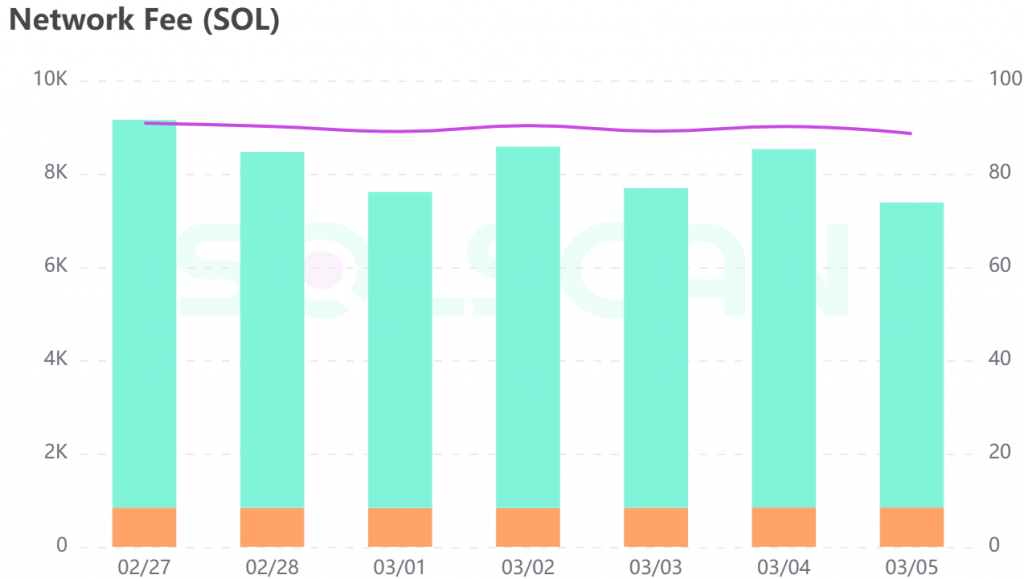
Solana gas fee – that is, the cost for each transaction – amounts to about $0.013151 (0.00015 SOL). This amount includes the base fee as well as the so-called prioritization fee.
Solana has emerged as a standout in the cryptocurrency market, particularly noted for its low gas fees. Unlike Ethereum, where gas fees can fluctuate dramatically, Solana’s transaction costs are remarkably stable and affordable, typically costing just a couple of cents per transaction. This affordability is partly due to Solana’s innovative Proof-of-History (PoH) consensus mechanism, which enhances efficiency and scalability.
In this article, we are going to examine how Solana gas fees work and what’s average price of transaction on the Solana network.
How much is the average Solana gas fee?
The average Solana gas fee costs between $0.00043 and $0.013. The exact cost is influenced by network activity, which directly depends on how many transactions are being handled at the same time.
It’s worth noting that there are two types of Solana transaction fees a user has to be aware of. Here’s a brief description of each:
Base fee: A fixed cost of making transactions on the Solana network. This fee amounts to just 0.000005 SOL (about $0.004346 at current rates).
Additional (prioritization) fee: Users can opt to pay an additional fee to prioritize their transactions. This feature ensures that time-sensitive transactions are processed swiftly. Currently, the additional fee amounts to 0.000145 SOL, or $0.01271 (about 96% of the average transaction cost on the Solana network).
It’s worth noting that there’s also a vote fee, which is paid daily by validators. This fee grants validators the right to participate in Solana’s consensus system and is the same no matter the SOL stake.
Solana’s fee-burning mechanism
Solana’s fee-burning mechanism is an integral part of its economic model, contributing to both network sustainability and the long-term value proposition of SOL.
Half of all transaction fees collected on the network are burned, meaning they are permanently removed from circulation. This deflationary mechanism reduces the total supply of SOL over time.
The remaining 50% of the transaction fees are distributed to validators. This not only incentivizes validators to maintain the network but also ensures that the network remains secure and operational. The distribution of fees to validators ensures that they are compensated for their work, maintaining a high level of security and efficiency on the network.
By reducing the supply of SOL, the burning mechanism helps to preserve and potentially increase the value of the remaining tokens. This is beneficial for all SOL holders as it creates a deflationary pressure on the token.
Image source: Solscan
Benefits of Solana’s low fees
The low cost of transactions makes Solana accessible to a broader audience, fostering wider adoption. In addition, affordable fees encourage more developers to build on Solana, enhancing its ecosystem with diverse applications and services. Finally, the fee-burning mechanism contributes to the long-term value proposition of SOL by potentially reducing its supply over time.
These benefits have certainly played an important role in making Solana one of the most active blockchain ecosystems in the crypto space. They have also played a very important role in reviving the SOL ecosystem after its massive collapse in 2022. After crashing by more than 90% due to its affiliation with the disgraced FTX exchange, SOL quickly regained its footing and now sits as the 7th largest crypto asset on the market.
The bottom line
Solana’s low gas fees, combined with its robust infrastructure, make it a formidable competitor in the blockchain space. Its economic model not only ensures affordability but also incentivizes network participation and sustainability. As the cryptocurrency landscape evolves, Solana’s cost-effective and efficient transaction mechanism positions it as a leading choice for developers and users seeking a reliable and scalable blockchain solution.
Solana’s low gas fees have also contributed to the rise of meme coin projects on the blockchain in recent months. Projects like Dogwifhat, Mew, and Bonk are just a few examples of meme coins issued on Solana that have skyrocketed in value recently. Check our article for a complete overview of meme coins that could be the next Shiba Inu.
Abu Dhabi, United Arab Emirates —Senior leaders from global finance, digital asset infrastructure, and regulatory institutions will convene in Abu Dhabi on May 13, 2026, for the inaugural Digital Assets Forum Abu Dhabi — a highly curated gathering examining the adoption of digital assets under the UAE’s progressive regulatory framework.
The forum comes amid rapid institutional momentum across the Gulf. The UAE has emerged as a global leader in digital asset regulation, providing structured licensing regimes, sovereign-backed innovation programs, and a robust ecosystem where banks, asset managers, and institutional investors are actively deploying capital and forming strategic partnerships.
Following the successful third edition of Digital Assets Forum in London — which gathered nearly 2,000 senior attendees from global banks, asset managers, and infrastructure providers — the forum now expands to the Middle East at a pivotal moment.
“Across our successful London editions, we have seen how regulatory clarity drives institutional engagement,” said Victoria Gago, Co-Founder of Digital Assets Forum. “Abu Dhabi is now at the center of a structural shift in global finance, with capital concentration, infrastructure buildout, and global firms relocating headquarters. This forum brings together the decision-makers who are shaping the future of digital finance and turning strategy into action.”
Confirmed institutional speakers include Christoph Richter, Head of Digital Assets & AI at ADGM; Sebastian Widmann, Head of Dubai at Komainu; Karl Naim, Group Chief Commercial Officer at XBTO Middle East; Yan Ma, Executive Director at Spartan Group; Catrina Wang, General Partner at Portal Ventures; Elliot Andrews, CEO of Aspen Digital; and Rachel Conlan, Global Chief Marketing Officer at Binance.
DAF Abu Dhabi will examine UAE digital asset regulation versus other jurisdictions, institutional digital asset management and portfolio strategies, stablecoins, payments and CBDCs, DeFi and TradFi integration, real-world asset tokenisation (RWA), the state of crypto ETFs, liquidity, custody and institutional market infrastructure, and institutional risk management frameworks — all with a focus on practical outcomes that enable investment, capital allocation, and partnership execution.
Digital Assets Forum Abu Dhabi is designed as a highly curated, executive-level gathering focused on deal-making, capital deployment, and strategic partnership formation. The format includes main-stage panels, closed-door sessions, dedicated one-to-one meeting areas, and private briefing rooms. The objective is not retail awareness, but to translate dialogue into tangible agreements and coordinated investment strategies for 2026 and beyond.
About Digital Assets Forum
Digital Assets Forum is a global institutional series bridging traditional finance and digital assets.
The Abu Dhabi edition marks its expansion into the Middle East, following established editions in London.
Launched in 2018 in Barcelona, the European Blockchain Convention — organiser of Digital Assets Forum — has become one of Europe’s leading blockchain platforms for financial institutions, policymakers, and infrastructure providers integrating blockchain into mainstream finance.
OP-ed disclaimer: This is an Op-ed article. The opinions expressed in this article are the author’s own. CoinCheckup does not endorse nor support views, opinions or conclusions drawn in this post and we are not responsible or liable for any content, accuracy or quality within the article or for any damage or loss to be caused by and in connection to it.
There is no denying that Bitcoin cloud mining seems like a lucrative proposition. The thought of generating income without the headaches of managing a hardware setup is certainly appealing, but with so many available options, it can be hard to choose the best one for you.
In this article, we’ll explore the top crypto cloud mining platforms in today’s market and examine their key features, helping you determine which option best meets your needs.
Best Bitcoin cloud mining platforms in 2026
BitFuFu – The first choice for Bitcoin mining enthusiasts
ECOS– Complete cloud mining solution with helpful integrations
Binance – Cloud mining offered by the world’s most popular exchange
NiceHash– A dynamic marketplace for buying and selling hash power
GoMining– An innovative GMT-powered cloud mining platform
BitDeer– A crypto mining company founded by Bitmain co-founder Jihan Wu
The best Bitcoin cloud mining solutions: An overview of the top choices
In the upcoming sections, we will examine the best cloud crypto mining platforms on the market and explore the different ways in which users can utilize cloud services to secure Proof-of-Work (PoW) networks in exchange for mining rewards.
1. BitFuFu – The first choice for Bitcoin mining enthusiasts
BitFuFu allows its users to get Bitcoin at a lower cost than just buying it on the market. The platform features a hosting capacity of 522 MW, divided between 25 facilities worldwide.
The platform allows their users to purchase different contract lengths, ranging from 30 to 360 days, with many options in between. Each option carries its own hasrate fee, as well as an unchanging service fee. They also outline the expected static output ratio, which is the expected profit from mining rewards. For newer and less experienced users, they also have an “Easy BTC” option, which allows for hassle-free mining, as well as a dedicated $60 three-day plan for those looking to dip their toes into cloud crypto mining.
Key features:
Many contract options, from 30 to 360 days
Simple and transparent calculation of Bitcoin mining rewards
Easy BTC option for new users
Miner rental service
Native application for both iOS and Android
2. ECOS – Complete cloud mining solution with helpful integrations
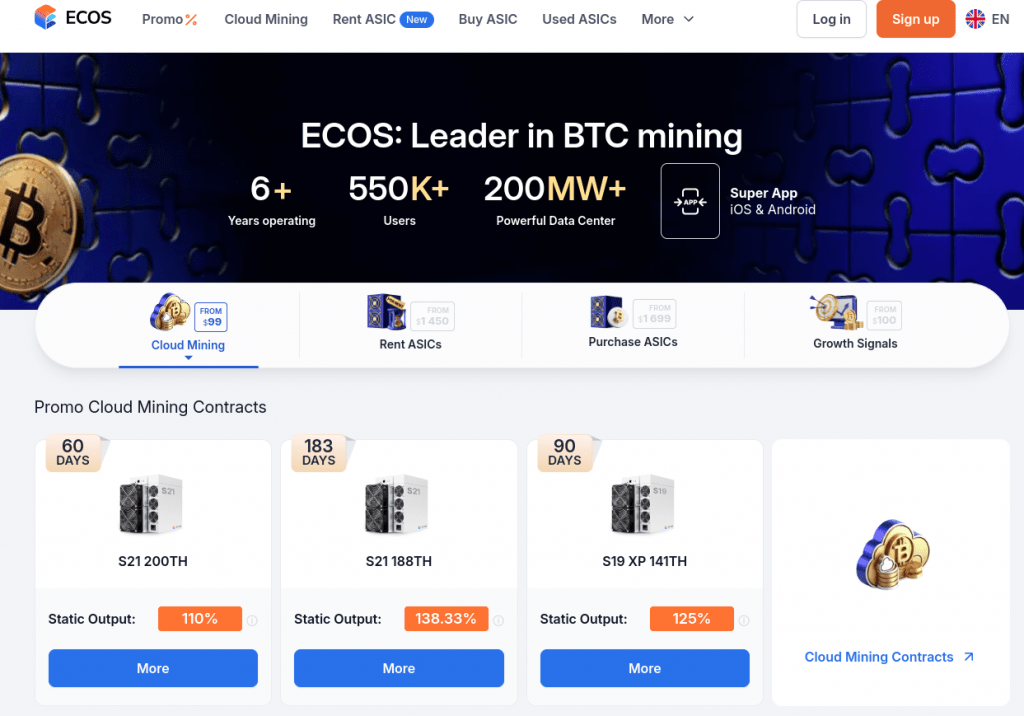
ECOS is an all-in-one solution for cloud mining, offering mining rig rentals and cloud mining contracts, as well as other helpful tools like a mining contract calculator to estimate your mining output, a crypto wallet to store your assets, and a blog page to keep you up-to-date with the latest crypto news. Their mobile app, available on both iOS and Android, provides users with a simple overview of their existing contracts, allowing them to monitor their profits and explore additional offers.
The platform offers a wide range of contracts, with options for even multiple year-long contracts which promise a significant return on investment. As with BitFuFu, the contracts each carry their own service fees. ECOS offers promotional short-term contracts, as well as a 1-day free trial, which aims to familiarize users with the process of crypto mining. After the trial period is over, users may opt to buy a contract to keep all the Bitcoin they mined during this period.
Key features:
All-in-one solution for cloud mining
1 day free trial for new users
Easy-to-use mobile application
Purchase and rental of ASIC machines
Integrated wallet to mined store crypto assets
3. Binance – Cloud mining offered by the world’s most popular exchange
Binance is one of the world’s leading crypto exchanges, offering its users cloud mining via their Binance Pool program. Their current contract allows users to mine BTC for 360 days for as little as $23.04, with an estimated daily mining output of 0.00000069 BTC (around $0.042).
Binance states that their rates can fluctuate based on mining difficulty and unsuspected events that may disrupt the ASIC miners.
Key features:
Cloud mining offered by the world’s leading crypto exchange
360-day mining duration contract for as low as $23.04
Daily BTC rewards
Transparent mining calculations
4. NiceHash – A dynamic marketplace for buying and selling hash power
NiceHash is a leading cryptocurrency platform specializing in crypto mining and the trading of mining power. It functions as an open marketplace that links sellers of hashing power with buyers. Buyers can choose the cryptocurrency they want to mine, select a mining pool, set their preferred price, and place an order. This order is then made accessible to all miners or hashing power sellers connected to the NiceHash platform.
The platform is user-friendly, with a straightforward interface. Miners using NiceHash Miner software complete orders by providing computing power for the chosen cryptocurrency mining process. This system offers a flexible and accessible way for individuals to engage in cryptocurrency mining, regardless of their technical knowledge or the size of their mining operations.
It should be noted that NiceHash is fundamentally different from the other platforms on this list. Instead of the company selling its own hash power, it merely connects buyers with sellers, which might be more appealing to some users.
Key features:
Allows users to mine many different PoW cryptocurrencies
Users aren’t bound by contracts
Supports over 30 mining algorithms
Allows users to calculate an approximate income based on their device specifications, along with an auto-detect tool for ease of use
5. GoMining – An innovative GMT-powered cloud mining platform
GoMining, powered by its native GMT token, allows its users to get acquainted with Bitcoin mining without having to actually purchase and operate mining equipment. While the platform is vastly different from the other offerings on this list, it still provides users with daily cryptocurrency rewards.
By staking the GMT token and holding the company’s NFTs, users gain exposure to BTC mining. GoMining’s 9 data centers are powered by a combined power capacity of 350 MW. They are part of over 20 active mining pools (including Binance), which increases the chances of sharing BTC mining rewards and lowers variance.
Key features:
Holders of GMT tokens and NFTs can gain access to the Bitcoin mining infrastructure
Purchasing cloud mining contracts is not necessary
KYC verification is required
Shared BTC mining rewards
6. BitDeer – A crypto mining company founded by Bitmain co-founder Jihan Wu
BitDeer is a cloud infrastructure provider and chip designer that includes cloud mining among its range of services. The platform currently offers cloud mining contracts with 30-day and 180-day terms powered by the Antminer S19 Pro ASIC. However, availability can be limited, and the service appeared to be sold out at the time of writing.
With BitDeer’s cloud mining service, users can rent high-performance mining hardware without dealing with setup or maintenance. Customers can select their preferred hash rate capacity and, in some cases, choose the miner model they want to use. After purchasing a plan, users can track their hash rate and mining performance through a real-time monitoring dashboard.
Key features:
Company led by experienced mining industry professionals
Real-time monitoring of mining performance
Occasional promotions with discounted cloud mining plans
Bitcoin cloud mining FAQs
Is Bitcoin cloud mining real?
Indeed, Bitcoin cloud mining is a real concept. You can rent mining power from a company to engage in the process of validating transactions on the Bitcoin network. That being said, some services are fraudulent in nature, so doing your own research is crucial.
Is Bitcoin cloud mining still profitable?
While services may advertise the process to be profitable in the long term, the actual profitability is affected by the current price of Bitcoin, mining difficulty and the provider’s maintenance fees. These factors are all prone to fluctuation, which impacts profitability.
Is it safe to invest in cloud mining?
The safety of cloud mining investments varies across providers. While the ones included in our list are well-respected and safe, there are many others that are illegitimate. Researching a service’s credibility and understanding its fees, terms, and reputation in the community are crucial steps to take before deciding to invest.
The bottom line
Bitcoin cloud mining offers an attractive alternative for individuals who want to engage in cryptocurrency mining without the hassle of managing hardware or bearing the costs of buying their own mining equipment. The reality, however, is that in today’s market, Bitcoin mining with even the most powerful GPUs or top ASIC machines has become unprofitable.