Blog

  • Cryptocurrency Market Trends for 2019

    Cryptocurrency Market Trends for 2019

    cryptocurrency trends 2019

    Back in 2009, Satoshi Nakamoto published the code of the first cryptocurrency called Bitcoin, laying the foundation of a new form of money. New cryptocurrencies emerged quickly, and now there are thousands of them.

    A lot has happened to the crypto community in almost ten years: price roller coasters, acceptance growth, exchanges’ hacks, and more. While 2018 was the year of correction and maturation, how the crypto market would celebrate its anniversary in 2019?

    Main Trends for 2019

    The crypto community tends to focus on Bitcoin and Ethereum with much lower attention to other projects. It’s logical because these top currencies define the development of the whole market. Overall, after the insane price burst at the end of 2017, cryptocurrencies entered the correction phase.

    Next year has all chances to change the tendency. There are two possible scenarios:

    1. Bullish trend. Crypto bulls will conquer the market and move prices up. The adoption will increase, too.
    2. Bearish trend. Bears will overcome their rivals and force the market to go down. This is likely to happen in the case of governmental and financial restriction.

    It is still hard to make valid predictions. To see which way the wind is blowing, one needs to constantly read the market news, experts’ overviews, statistics, etc.

    1. Acceptance by ETF

    Probably, this opportunity was the most discussed during 2018. Simply put, ETF will allow traditional institutions and large investors to enter the crypto market without significant risks. If this happens, there will be no more talks about Ponzi schemes and bubbles as even governmental structures will use crypto. Enterprises and institutional investors will join the crypto community, as well. This is a win-win situation for all sides of the market including both occasional traders and trading platforms.

    2. Rise of DEXs

    Decentralized cryptocurrencies require appropriate marketplaces. There are already a lot of decentralized exchanges (DEXs), but they are limited by poor usability and expensive development.

    In 2019, we hope to see the rise of decentralized systems where users can make deals without third parties, using their private wallets only.

    To increase trading volume and replace centralized players like Bitfinex and Binance, DEXs have to become more user-friendly, improve their interface and overall design.

    3. DApps Development

    Decentralized apps (DApps) are the main purpose of the Ethereum network. The team of developers has introduced this technology through a funny game called CryptoKitties where users can collect digital pets. While the idea behind the game is amazing and smart contracts have the power to disrupt practically any industry, the project has revealed low scalability of the Ethereum’s blockchain. This platform and similar ones, like EOS and ADA, should solve the problem in 2019 and launch more useful DApps for various customers.

    4. Better Education

    The main problem with cryptos is that only the minority of people realize what they are and how to use them properly. Some governments blame crypto as an illegal and criminal invention which blows on the reputation of the industry. However, we can expect a rise in crypto education, as there already are some official programmes designed by leading universities. Educating a wider audience on the subject of digital currencies and technology may lead to the increase in adoption of crypto in the next year.

    5. New Approaches to Evaluation

    Traditional investors consider cryptocurrencies as toys for digital kids. They claim that Bitcoin and altcoins have no value at all. Crypto enthusiasts realize that their projects are valuable regarding security and innovations but they can hardly show exact numbers. This is because young crypto markets don’t have relevant historical methods. The crypto world may become more stable and less volatile thanks to elaborated evaluation.

    Chris Burniske even developed a simple formula where the total size of assets added to their velocity is equal to the price of the digital resource added to its quantity.

    6. More Security Tokens

    Nowadays, the world is going through the ICO mania. Markets are filled with utility tokens launched by different startups. Nearly everyone can create a company and offer a new crypto that can impress geeks. However, more conservative investors or governmental figures are afraid of innovative utility systems. That’s why 2019 might be the year of security tokens. They represent the ownership of traditional assets like bonds or equities. Such coins may strongly connect the real world of classical entities to the innovative crypto universe.

    7. Price Drops

    Despite all positive promises, some experts, like Eric Kovalak from Vellum Capital, claim that the correction phase isn’t over and may turn into the bearish trend.

    Before skyrocketing, all major coins will fall to their yearly lows

    crypto price trends 2019

    According to Kovalak, Bitcoin will be traded around $3,500 but then will rise again and move upper than its all-time maximum. Nobody can prove or disprove this prediction because of the high volatility.

    8. Increased Interest

    Despite some skeptic forecasts, the main trend should be positive. It is stated in the research of Satis Group concluded by Bloomberg that the total crypto trading volume will increase by 50% in 2019. In the US, this number will reach 10% of the total equity trading volume, and that’s a success. According to Satis Group, Bitcoin and large exchanges will grow. More than 3/4 of the worldwide volume will be controlled by the 20 biggest marketplaces, including Binance, Bitfinex, Huobi, HitBTC, and OKex.

    Three Trends for Traders

    While tendencies mentioned above suit all types of investors, the following ones should be useful for traders. Regardless of a trading type, it’s important to know how to deal with crypto during the following year.

    1. Platforms as the Key

    Crypto platforms like Ethereum are basements for further developments. DApps are great inventions but they aren’t ready yet to be widely applied. The network itself will be profitable anyway.

    Ethereum represents one of the best crypto platforms and it suggests completely different approaches to regular things. Projects that were launched for specific purposes will survive and gain more influence – and the more innovative their purpose is, the better.

    2. ICOs With New Game Rules

    ICOs are attracting investments pretty intensely, and the community will continue this insane run. Unlike previous years, in 2019, ICOs should be more focused on private partners who invest during the pre-ICO stage. Be sure to check projects big investors showed their interest in.

    As for more negative predictions, developers must prepare for bans. China and South Korea have already prohibited ICOs. With new regulative acts, more countries will impose strict requirements on ICO launching.

    Regulations might be good for the crypto space, as they could remove it from the gray zone and make it more profitable for both countries as much as for developers and investors. But there are chances that more states will completely ban these projects.

    3. Lightning Network to Improve Scalability

    Nearly all blockchains suffer from poor scalability. And nearly all of them try to find a solution. Experts predict that Bitcoin’s off-chain technology Lightning Network will change the game.

    Systems with extra payment channels and multi-signature wallets offer really fast and cheap transactions. Additionally, developers may launch Atomic Swaps to allow cross-chain transactions and exchanging crypto without using third-party platforms.

    Lightning Network is expected to be implemented by Bitcoin and Litecoin, and the success of it will define the balance of power on the market.

    Long-term Predictions

    As there’s no confidence in one-year forecasts, we want to go further. Trends evolve insanely quickly. In the long run, everything may change during a week or month, but significant tendencies should remain about the same. Let’s try to figure out the key trends for the next five years.

    • Bitcoin will cost near $100,000. Investors remember the insane price jump near the end of 2017 and at the beginning of 2019. That’s why you may be wondered that Bitcoin is only starting its exponential run. The involvement of institutional investors and global authorities in the crypto world may speed up this process.
    • National dependence on Bitcoin. Today, a lot of countries align their budgets with USD as the most popular currency around the Globe. We can expect BTC to take this role.
    • Governmental regulations and taxes. We deal with traditional financial and governmental systems, and crypto is getting involved rather slowly. Proper laws and reasonable taxation may bring profits to both digital currencies and countries’ economy.

    The Future of Top Coins

    Finally, here are some predictions on large cryptocurrencies as they are most likely to define new tendencies of the market:

    • Bitcoin. The main trendsetter will be even in a higher demand. The price may go up or down but the real usage of BTC will increase during the next year. If Bitcoin solves its scalability issues, it will probably be more convincing than solutions already suggested by Bitcoin Cash and Litecoin. As the first crypto in history, BTC is more likely to gain a green light for wider acceptance.
    • Ethereum. The number two cryptocurrency stands out by its practical value. It also suffers from scalability problems and may grow massively in the case of solving them. But, as we’ve already mentioned, the thing with ETH is that it is way more than a revolutionary means of payment. This coin and the whole network bring smart contracts and DApps to the community, spreading the influence among different spheres. A lot of business eager to be viewed as groundbreaking are already actively implementing Ethereum’s innovations.
    • Ripple. This is the only project from the biggest ones which successfully cooperates with banks. By doing so, Ripple has all chances to become the leader. It’s already on its way to correspond to the brightest forecasts – XRP increased in value in September 2018 due to the launch of xRapid, the platform designed to connect different currencies and provide fast transactions. The company expects dozens of banks to use xRapid in 2019.
    • Litecoin. A proper alternative to Bitcoin has a relatively low cost. This currency may become the main payment system to perform everyday tasks. With its debit cards on the roadmap and a growing number of companies accepting it, LTC is moving towards being valued more.

    There are other altcoins that may succeed in 2019. Eos, already called the ‘Killer of Ethereum’, may replace its main rival by solving scalability issues faster. Neo is also considered as an Ethereum-like project, and its path namely depends on regulatory processes in Asia. Stellar (XLM) is another top-notch crypto that will grow in popularity because of the security token it offers. Partnerships like the one with IBM (where Stellar-based products facilitate transactions on the enterprise level) may also push this process forward.

    To Sum It Up

    Considering that all cryptocurrencies are extremely volatile and the situation with regulations is yet to be stabilized, it’s hard to determine the likelihood of some trends being lasting and powerful. While 2018 has been tough for cryptos, the next year may finish the process of maturation.

    We can expect the exponential growth in price from all major coins, but there are also chances of some completely new ones to make a hit. Most importantly, changes will be related not so much to prices as to ideas behind the specific projects.

    Cryptos introduce new technologies and unexpected approaches to the world that might enhance many industries. So far as everything transforms rapidly, keep up-to-date and do your own research regularly.

  • The #1 ultimate ICO Marketing guide

    The #1 ultimate ICO Marketing guide

    CoinCheckup served more than 100 ICOs with our marketing services over the last year. We’ve gained a lot of knowledge on what works and what doesn’t work and we’re happy to share this “Ultimate ICO marketing guide” with you where we share our “lessons learned” so you can save yourself some time. We’re confident you can get value out of this guide and use it to maximize investment for your ICO and grow your success.

    FYI: This guide does miss the 10 bonus tips to save you money; grow conversion; expand your reach, and optimize your ICO Marketing. Click here to get full access.

    1) Gain the trust of investors with your whitepaper

    Creating a Whitepaper for your  ICO is the first step for any new Blockchain project. Your whitepaper should provide all details of your ICO project: Your idea/vision; preferably an in-depth explanation of your working project or proof of concept; your planning; legal aspects; and every detail that makes you better than the other ICOs out there.

    Here’s a list of the different sections your ICO whitepaper should minimally contain:

    • How your ICO stands out from its competitors?
      Even if you don’t have real competitors you need to keep in mind there’s about 30- to 60 ICOs launching weekly, “stand out!”.
    • Who will be benefited from your ICO and how will they benefit?
    • How are you planning to grow your ICO and let it gain traction in the “real world”?
    • How much capital do you need?
    • How are the tokens/coins distributed?
    • How are you realizing your vision from a technical perspective? (preferably include drawings and mockups)
    • What are the benefits for society / What’s the “real world” benefit”
    • What are the Legal aspects of your ICO?
    • Who’s on your team and how is this team going to get from idea/beta/concept-phase to a full-scale blockchain project?

    Remember: Your White Paper will decide the fortune for your company. So leaving a good impression is a must.

    2) Create a: Website; Social media channels; and an initial organic promotion campaign.

    Once you finished your white paper creating a website and a social media presence will be easier.

    2a) Create a smashing & clean website.

    Create a clean, simple and transparent website for your ICO. Your website is your first impression for your potential investors. You can’t afford to go wrong here because you’ll lose their trust.

    Make sure that:

    • the first impression is smashing;
    • you’re as transparent as possible while managing the investor’s expectations;
    • you have a clean website design with a good user experience;
    • your website is fully SEO optimized;

    Your ICO website should minimally have the following pages:

    • An ‘About Us’ page/section
    • A ‘Contact Us’ page/section incl. Links to all your social channels
    • A white paper page/section
    • An about the Token/Coin page/section, explaining how:
      1. You’ll spend the ICO funds and how long you expect your runway is (nobody likes coins/tokens that die);
      2. Investor return  expectations – Potential benefits & growth of your ICO token/coin;
      3. How the tokens/coins are divided amongst token holders (X% for Team, Y% for presale, Z% for public sale, etc.)
    • A blog page and/or link to your Medium blog – with (twice-)weekly articles and be as transparent as possible about your ICO and it’s progress.
    • A Team page/section – Note that you need to have a minimum of one (preferably senior) blockchain developer/specialist on the team;
    • A legal page/section – Who can join the ICO / What are the risks of joining the ICO?
    • A “Buy the token/coin” page/section – explaining the process of how and when one can buy the token/coin;

    2b) Create a social media presence

    We advise ICOs to minimally have a social media presence on the following channels:

    • Reddit – To gain initial organic traction and awareness around your brand.
    • Telegram – To talk to your potential investors.
    • Medium – To write (twice-)weekly articles and be as transparent as possible about your ICO and it’s progress.
    • Bitcointalk page on the “Altcoin Discussion” board – Containing a stripped down, not too technical, version of your whitepaper. This could be a 1 or 2 pager.
    • LinkedIn Business page – To share your posts and updates to a more business-minded audience.
    • Facebook, Twitter & Youtube can definitely add a ton of value and awareness but you might have a harder time finding the right audience and paid promotions are not available anymore on these platforms.

    3) Promote your ICO – Find a mixture between paid & organic marketing.

    In short, the ideal mixture for a great ICO is:

    • Phase 1: Promote your website organically to gain initial traction & awareness.
    • Phase 2a: Just before and during your private- and public ICO you can start with paid advertising to get on the radar of the right audience directly.
    • Phase 2b: While simultaneously start ramping up your organic social media marketing
    • Phase 2c: And enforcing the awareness around your ICO project with organic social media and community marketing.
    • Phase 3: Aftercare and support.

    Phase 1 Promotion before your ICO starts: Promote your website organically to gain initial traction & awareness.

    A couple of months before your ICO you have to make sure your ICO website is finished, it’s time for the initial organic promotion of your website on social media channels to create the first awareness flow for your project. Note that you don’t sell anything in this phase yet. Just use this phase to grow your social media channels, your telegram group, and your newsletter list. We’ll go more in-depth about organic & social marketing below.

    In short, it’s important that you gain initial traction and awareness for your ICO (preferably months) before your Private or Public ICO starts.

    1. Pretty much no one invests in an ICO after they’ve seen your brand/project only one time.
    2. ICO websites that are online for a short period (< 1 month) usually get less investment, since it’s a bigger chance that they could be a SCAM. Most investors check this before they invest.

    Phase 2: Full force on paid and organic marketing just before and during the Pre-ICO and Public ICO sale.

    After you gain some initial traction and awareness you can start your private- and public sale and you can start with Paid and Organic marketing.

    Phase 2a: Paid advertising to the right audience.

    Recently, cryptocurrency ads are been banned on Facebook, Twitter, and Google. You can, however, advertise on various cryptocurrency and blockchain websites which allow you to put a banner- and text links on their website.

    The main benefit of using existing blockchain platforms is that you directly hit the right audience.

    A bit of shameless self-promotion, sorry 😉 – Take Coincheckup.com’s paid advertising packages. The benefit of CoinCheckup, as opposed to other crypto platforms, is that the site is mainly used by crypto researchers who are looking for the next big investment opportunity. Though we are site #5-6 in terms of size, you might find an audience that’s right for you.

    Phase 2b: Organic; Social Media; Forum & Community promotions.

    There are various cryptocurrency communities, groups, pages and networks on LinkedIn, Reddit, Telegram, Bitcointalk, and Facebook groups. Become a part of these communities and actively take part in discussions and events, supporting the community without direct self-promotion. These online communities will provide you with a ton of opportunities to meet many like-minded people and potential investors.

    As mentioned in chapter 2, you have to make sure you got the right Social media channels set up.  

    Here’s some inspiration for organic promotions on these social channels.

    Telegram: Telegram is an excellent platform for ICO Marketing. You can use Telegram to talk with your community. Grow your Telegram user base organically with interesting (exclusive) offers and/or help of your marketing partner.

    Reddit: With 1.5 billion visits a month, Reddit ranks site number 26 worldwide. Reddit has many popular crypto channels. With their up- and down-vote system the platform makes sure that relevant content appears on top. Grow your Reddit fans by joining different channels and start discussion threads around your ICO and/or support the community with useful information. Ask your marketing expert for a strategy to grow awareness amongst new users.

    Medium – Medium is a basically a simple and clean blog where loads of Crypto enthusiasts get their in-depth news from. Make sure you write (twice-)weekly articles and be as transparent as possible about your ICO and it’s progress. Grow your Medium base organically with good content and/or help of your marketing partner.

    Bitcointalk “Altcoin Discussion” board – Bitcointalk is the number 1 forum for Crypto enthusiasts with 13 to 24 million visits a month. Add a post to the “Alt discussion board” with a stripped down, not to technical, version of your whitepaper. This could be a 1 or 2 pager. Grow your Bitcointalk fans organically with a quality 1 or 2 pager of your whitepaper emphasizing all the USPs (unique selling points) and/or help of your marketing partner.

    Producthunt –  With 8 million monthly visits producthunt is a great place to promote any new (digital) business. The more upvotes you get the higher you end up in their topic list. Ask your marketing expert for a strategy to end up in the top of the Crypto and Fintech topic lists to reach the right audience directly.

    Hacker news –  Though it’s harder to reach your specific crypto/finance audience, Y-Combinator’s Hacker news is one of the top news sites for anyone in tech. With 15 million monthly visits and their news-voting-system you can get on the radar of many tech enthusiasts and potential investors that follow Y-combinator. Ask your marketing expert for a strategy to end up high on hacker news.

    LinkedIn Business pages & groups – LinkedIn is filled with serious investors, finance & crypto enthusiasts. You can start your own business page on LinkedIn to promote all your Medium posts and updates. Besides that, it can be relatively easy and cheap to promote posts on LinkedIn pages of Crypto platforms.

    Quora: Quora is an amazing discussion platform filled with very serious people who visit the platform to gain more knowledge on certain topics like crypto. Grow more awareness for your ICO by posting topics on ICOs and questions to get good exposure for your ICO. Ask support from your marketing expert to gain more attention to your Quora topics and comments to increase exposure even more.

    Phase 2c: Email Marketing and Newsletters

    Email marketing is not that popular as it was anymore, it’s still very active amongst crypto fans and working for ICOs. At least if you have the right audience. You can:

    1. create your own email list with a quick and easy signup form (see chapter 2a website) or landing page (chapter Phase 2a…).
    2. Or you can reach a direct audience of Crypto and Finance enthusiasts by contacting Crypto platforms and ask them to send out a newsletter. These newsletters are usually paid but the benefit is that you reach your target audience directly.

    For maximum results, you combine the phase 2a, 2b. and 2c altogether. The most important thing for any ICO is to create awareness everywhere, especially during your private- and public sale since this is where the faith of your ICO and your successful Blockchain project is being decided.

    It’s best to work with a crypto marketing expert on this phase since they can help you to maximize growth. Since CoinCheckup managed marketing and advertising for more than 80 ICOs we can definitely help you with this. Feel free to drop us an email at advertising@coincheckup.com

    Phase 3: Aftercare & Support

    Once your ICO is finished make sure you keep up the frequent updates on social media and keep people enthusiastic about your project so they will your promoters.

    Fill in the form below and get the full guide including:

    + 32 point ICO Marketing Checklist
    + 10 bonus tips that will 20x your ICO and save you $3000+
    + The #1 ICO Whitepaper template

  • How to trade cryptocurrencies A Beginners Guide [Sponsored]

    How to trade cryptocurrencies A Beginners Guide [Sponsored]

    cryptocurrency and stock market business conceptIntroduction

    Cryptocurrencies were started as the virtual currencies which work in a decentralised format eliminating any dominant authorities in its ways.

    But, off-late cryptocurrencies have seen a new high that it has nearly become a rage all over the world. The purpose of these currencies was to stand out of the traditional fiat currencies and central banking systems. Always remember that the cryptocurrency market is ridiculously volatile.

    You may have good fortune with the crypto coins value increasing like how Bitcoin price had reached $19.783 last year or it may also witness a drastic low performance in the crypto market.

    In the beginning, everything about cryptocurrencies may seem to be overwhelming, just read on below to find out how you can trade cryptocurrencies.

    Requirements to trade cryptocurrencies

    There are two important things you need to understand to trade cryptocurrencies. They are,

    • A cryptocurrency wallet
    • A cryptocurrency exchange

    A cryptocurrency exchange is a platform like a stock exchange which enables the members to buy, sell and exchange cryptocurrencies for a nominal fee. There are several currency exchanges like Bitbuy, Coinbase, CoinSwitch, Kraken, Shapeshift, Bitsquare and a lot more. These crypto exchanges are all websites which allow peer-to-peer transactions and facilitate in buying, selling or exchange of cryptocurrencies for fiat currency or other cryptos.

    Let us first understand about the crypto wallet. Your cryptocurrency wallet stores your digital currency safely. Encrypted passwords protect the cryptocurrency wallets from the predators. A cryptocurrency wallet is just like your bank account to safeguard your money.

    There is an array of forex exchange and new platforms emerging now and then. Various combinations to trade can be chosen like ETH to BTC exchange, LTC to BTC exchange and more. It is recommended to choose your cryptocurrency exchange only after a thorough analysis of how a particular exchange works.

    Steps to be followed to get started in trading cryptocurrencies

    The world of cryptocurrencies may sound like it is registered for only people who are a class apart. But the emerging exchange platforms and an increase in the popularity of the cryptocurrencies have led the way for anyone interested in the cryptocurrencies to trade by following few basic steps easily.

    • Beginners must choose a cryptocurrency exchange to get started.
    • Analyse the working pattern of the exchange to be chosen and register yourself by following the simples steps in the exchange’s website.
    • Then you are all set with your cryptocurrency wallets like Bitcoin wallet or Ethereum wallet initially.
    • You can buy cryptocurrencies in the beginning by using fiat currencies like Euros or US dollars.
    • Once you connect your bank account to the registered currency exchange, you are entitled to use a debit card or credit card to buy the cryptocurrencies in the currency exchanges.
    • It is advisable to buy major performing coins like Bitcoin, Ethereum or Litecoin in the beginning to minimise the risk of losing the currencies overnight.
    • Once you have bought some cryptocurrencies like Bitcoin or Ethereum, you can either sell them for fiat currencies back again or exchange them for other cryptocurrencies like Litecoin, Ripple, Dogecoin, Sooncoin and more depending upon the trends of the cryptocurrencies.

    Summing Up

    There are countless options available online to register and start trading cryptocurrencies. Choose the one best suited for you to be on a safer side. The risk involved in cryptocurrencies can never be overruled. So, believe in your luck for successfully trading cryptocurrencies.

  • Keeping your Cryptocurrencies Safe. Guide on Reducing Cryptocurrency Security Risks

    Keeping your Cryptocurrencies Safe. Guide on Reducing Cryptocurrency Security Risks

    cryptocurrency security lockFrom the start, when the Bitcoin protocol was released in 2009, cryptocurrency ownership has given investors a very motivating experience.

    The bulk of this motivation arises from factors like the potential for gains (or losses) in coin value or even the emerging possibility of regulation. Most of the factors affecting the value are way above investor control.

    Another serious risk of the danger of security breaches. Though investors have significant control over the danger of losing coins in the event of a security breach, no guarantees are provided.

    To keep your coins safe, it is important to combine knowledge, vigilance, and discipline when operating in the niche.

    The Rise in Cryptocurrency Values Reflect the Growing Need for Security

    crypto security guide
    source: BLMP

    Willie Sutton, one of the famous American robbers, was once asked why he robbed banks. He is reported to have replied, “That is where the money is?”

    In the same spirit, the rate and value of security breaches against cryptocurrency owners have been going up. Why the upward trend? Because user numbers and value of the cryptocurrencies are on an upward trend.

    Take the case of 2017 statistics on cryptocurrencies captured by The Telegraph.

    • As the price of Bitcoin shot from about $1,000 to near $20,000 mark in 2017, crimes associated with it rose by more than 200%.
    • One in every ten owners of cryptocurrencies was at risk of getting affected by scams.
    • Investors lost $225 million due to phishing scams.
    • Ethereum-related cybercrime alone resulted in about 30,000 owners getting scammed.
    • About $390 million was lost to cybercriminals.


    To succeed in your cryptocurrency investment, you need to keep the coins safe.

    This guide was created to help people holding crypto coins or prospective investors identify, detect, and recover (where possible) from various security vulnerabilities.

    How Do Cryptocurrency Owners Lose Their Coins?

    If you follow many people who promote cryptocurrencies, you will realize that they mainly focus on the positive side of owning the coins.

    We combined an inclusive list of key security problems that you should anticipate when investing in cryptocurrencies. We are not trying to pose the cryptocurrencies in lousy light. We will also focus on how those in cryptocurrencies can detect and even avoid related loss and crime.

    The following scenarios depict the negative side of investing in cryptocurrencies that many promoters rarely tell you.

    Investors often lose their coins through;

    • Losing or forgetting their private keys (coded access codes).
    • Lack of ample awareness and resources to keep cryptocurrencies safe.

    Criminals are becoming very sophisticated and are using advanced technologies.

    • They get access to coin owners’ private keys and demand a ransom to release the keys.
    • They gain access and divert computer resources of the coin owners (without the knowledge or owners) and use them in different money making schemes.
    • They trick owners into believing they are genuine service providers or blockchain project startups.
    • They break into different digital storage spaces and siphon users coins into their accounts.
    • They fool coin owners and make them behave in a way that crooks gather information about them.
    • They trick people to invest in startups that are designed as Ponzi schemes.
    • They infect good websites with malware targeting to access and steal users’ private keys and seed phrases.

    The above security risks and misfortunes demonstrate the diverse themes of deception, theft, and use of malware.”

    Important Cryptocurrency Concepts You Need To Know Today  

    Before diving deeper into the methods you can use to challenge the security risks, it is prudent to take a closer look at some of the basic ideas that the cryptocurrency security is premised on. We identify the basic idea, the relation to security, and give references to other sources for additional details.

    The blockchain and cryptocurrencies

    Here, we presume you are familiar with the two primary concepts. The blockchain is a digitized and decentralized public ledger of all cryptocurrency transactions.

    The progressively growing blocks are recorded in the public ledger chronologically. Cryptocurrency, on the other hand, is a digital currency that utilizes cryptography for security to make it difficult to counterfeit for its advanced features. If you need, consider refreshing your memory of the two concepts here and here.

    The cryptocurrency encryption and storage

    In the crypto niche, protecting and storing digital coins are the core elements needed for success. The crypto networks provide users with complex codes for protection while wallets and digital exchange offer storage and facilitate transactions.

    • A cryptocurrency wallet: This is a digital storage space designed to help people hold and manage their coins. You can opt to use a hot wallet (connected to the internet) or cold storage (offline and considered more secure).
    • Private keys: This is a set of codes that combines numbers and letters to provide users with access to their wallets. The private key is also important in helping users run transactions such as sending coins from that wallet. It is prudent that the private key is kept private all the time because a person with the key can easily access your wallet.
    • Public address: This is another code containing strings of characters and used to serve as the main address to your wallet. Unlike the private keys, the public address is fully open and can be given to your payers.

    Encryption

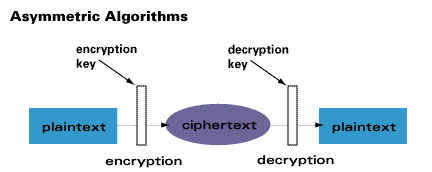
    Encryption involves hiding data by converting it to a special code that can be transmitted through cryptocurrency networks without easily getting revealed. To get the encrypted data, the targeted recipient is required to have a decryption code. These decryption codes are referred to as keys.

    Asymmetric cryptography

    When using two-key encryption, the security is provided on two important pieces of information referred to as the private-public key pair.

    Public key gives the location where the coins are stored online. The private key helps to decrypt and reveal the information about the stored coins. The data that is stored on the blockchain includes the validation of the location, amount, and ownership.

    The private keys info has become the primary target of cybercriminals. They employ various tactics such as breaking through installed security walls to gain access to the private keys. They steal the keys because digital coins lack a physical form, the way we know dollars or Euros.

    The main key to understanding cryptocurrency security is this; the person with the private keys validation info is the owner of the currency. Therefore, you lose the private keys; you lose the cryptocurrency.

    Wallets

    Irrespective of the cryptocurrency of interest, the private keys will need to be stored securely somewhere. That location where you store the coins is called a digital wallet.

    The cryptocurrency wallet can be an online wallet or third-party service such as the exchanges. You can also opt to store the coins in offline storage such as hardware or paper wallets.

    The level of risk security: The longer the wallet you are using to store the tokens is connected to the internet, the higher the danger of losing the coins.

    • Hot wallets: These are online exchanges that can be accessed using applications or Web Browsers. They are referred to as “Hot” because they are always online. This implies that they are more vulnerable to malware attacks.
    • Cold wallet: Unlike the hot wallet, the cold wallet stores the coins offline. This implies that the hackers do not have the internet connection to the wallet or private keys and cannot break in.
    • Hardware wallet: These are small finger-sized hardware devices that look like standard USB drives. They are physical devices that can be used to store and run transactions. Every hardware wallet is sold with a private key that provides the user with respective validation info. If you cannot get the blockchain information, the coins will be inaccessible.
    • Paper wallets: This involves writing the private key code on a paper and securing it offline.

    If you want to store the tokens safely, you would need to use two digital wallets; hot wallet for running transactions, and cold wallet for storing the coins especially on the long-term.

    NOTE: It is a security best practice to back up your private keys for all the wallets and securing them offline.

    Cryptomining

    When the first system for mining was set up in 2009, the potential was only for 21 million Bitcoins. But only about 17 million Bitcoins are in use.

    crypto mining
    Source: blokt.com

    Crypto mining is the process of releasing new coins into the system. The process involves gathering and verifying the blockchain transactions of the respective network and releasing new blocks into the public ledger.

    The procedure involves miners who are required to solve complex mathematical puzzles to get the opportunity to verify the transactions. The first one to get the puzzle right gets the chance to add the new block and gets rewarded with native coins. To remain competitive (confirm more transactions) you will need specialized hardware such as GPU and ASICs that generate a lot of hashing power.

    Key attack opportunities used by fraudsters at this point include:

    • The hackers can steal the coins directly from cryptomining companies.
    • Tricking the cryptominers to make them buy non-existent computer hardware.
    • The cloud mining firms lending cryptocurrency miners at prices higher than they will earn. They offer profit by simply taking the coin value from all the new users which is a classic form of Ponzi scheme.

    Cryptocrime Tactics

    For people who closely follow the crypto news, the list of crimes is indeed long. They range from shady dealings to spoofs that target those with the coins. Here are some of the terms you need to know and that will help you remained informed. How many of these do you know?

    • Social engineering: This is a general term used to denote a criminal fooling the target to get some advantage such as revealing the private keys. Since it is used as a means to an end, it is taken as a preface to other more serious criminal activities such as cryptojacking.
    • Phishing: This involves the criminal presenting the target with the false pretext of a company, individual, organization or even government agency to prompt them taking action such as opening a malware. In the crypto niche, the phishing attacks end up into wallet break-ins or ransomware that involve stealing the user’s private keys.
    • Cryptojacking: This is a strategy used by criminals to divert the cryptocurrency holder’s resources without their permission. The criminal tactic is used in crypto industry to divert mining resources of the target’s computer to mine cryptocurrencies.
    • Breaking into online wallets and vaults of the exchanges: This method involves using false identities to get the user’s private information.
    • Malvertising: This name tells the entire story. In this tactic, the criminals use malicious ads to spread malware to the targeted clients. The criminals target compromising web browsers and their plug-ins.
    • ICO exit scams: This method has become very common resulting in the banning of many ICOs in some countries. It involves establishing an ICO, publicizing it, and persuading investors to buy the tokens. The scammers even reward the buyers who refer new clients. Then, they run away with the investors’ money. This is the standard form of an ICO scam.
    • Poisoned website: This term is used to denote a site that criminals use to deliver malware. The malware is mainly carried as an ad.
    • Phone porting: This attack method is a combination of hacking, phishing, and outright breaking into a target wallet. The hackers snoop in various places such as crypto-related conversion platforms, social media, and other platforms where investors post their details such as email and phone numbers. Once the scammers have all information about you, they pose as victims, call the phone provider, and persuade the customer support to transfer the number to a device they control.

    Once the hackers have taken control over your number, they access your cryptocurrency exchange account, compromise the password, use the phone number for the second-factor authentication, and siphon away the coins.  

    • Spear phishing: This attack method involves targeting a specific organization or individual of interest. The attack can take place prior to stealing user data or installing malware into the target computer.

    How Do You Secure Coins When Trading and At Home

    In many forums, you will hear many analysts indicating that the only safe method of storing coins is through cold storage. However, this is a great option especially for those who target long-term storage. However, you will at some point need to transfer the coins to another wallet or exchange them.

    The following are great tips you can use to keep the coins safe:

    Isolate the Investment

    Isolating the investment involves using a dedicated computer for transactions to and from the wallet. The process involves creating an air gap around the computer by ensuring that it is not connected to the internet when no transactions are running.

    You can also isolate the computer by ensuring it can only connect to the network through another computer (gateway).

    The method is one of the simplest to use. Connect the computer when running a transaction and disconnect immediately after the transaction is completed.

    Remember that the computer should not be used for any other task.

    Securing Yourself When Trading Cryptocurrencies

    Isolating the computer is the first line of defense for protecting your tokens. You should also use the following tactics to keep them secure when exchanging the coins.

      • Secure your computer’s operating system: Consider installing the operating system on a new computer or format the hard drive before reinstalling the preferred OS.
      • Identify and use a reliable password manager: Many people have lost their coins because of forgetting one or several codes in their private keys. To avoid making this mistake, consider using a good password manager. This means that you can rest easy without worrying of ever forgetting or keying the wrong codes.


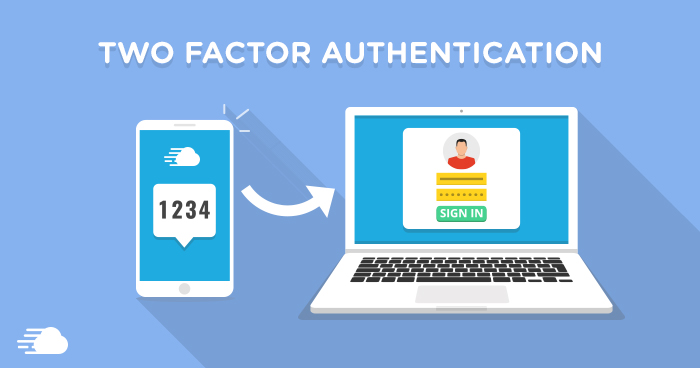
    • Employ 2-factor authentication: Two-factor authentication helps coin owners to use two steps such as password and phone number for enhanced security. You can opt to include an SMS or email for confirmation before getting access to a wallet. This means that even if the attacker manages to break through the first layer, it will still be impossible to siphon the tokens without your email or phone.

    2 factor authentication cryptocurrency


    • Consider using a hardware wallet: Hardware wallets are considered the safest when storing coins because they are always offline. Some are even designed to facilitate transactions without the keys leaving the hardware.
    • Utilize virtual private network (VPN): VPNs are considered very secure when transferring important information across the internet by encrypting the path. In the cryptocurrency systems, VPNs encrypts the network path followed by the coin from the sender to the destination. It is very important to use VPN, especially when using a network that you do not control.

    This is the first part of our Ultimate Cryptocurrency security guide.  Sign-up to CoinCheckup  and make sure you come back for the second part in just a few days. 

    In the next part we will be talking about taking on the challenge of cryptocurrency security and what you should do in order to avoid some of the most common cryptocurrency theft threats.

    Don’t forget to stay safe when navigating the crypto space! 

  • What is the future of digital storage based on blockchain tech? [Sponsored]

    What is the future of digital storage based on blockchain tech? [Sponsored]

    Siacoin on Coinswitch

    Let’s take a flashback a few years ago when the shared storage was beginning to make its mark in the industry. Everyone was reluctant to join such a shared network owing to one major concern i.e. security and privacy of data. But sooner or later, everyone has to adopt technological advancement, as it is an inevitable process and it is a must to adopt, to stay in the fast pacing industry. In fact, cloud storage is a giant industry which has formed a base for numerous business start-ups.

    Now, there has been a new cloud storage platform developed on the foundations of Blockchain technology, i.e. Sia.

    About Sia

    Sia is a decentralized storage platform secured by blockchain technology. The Sia Storage Platform leverages underutilized hard drive capacity around the world to create a data storage marketplace that is more reliable and lower cost than traditional cloud storage providers.

    Privacy

    Sia encrypts and distributes your files across a decentralized network. You control your private encryption keys and you own your data. No outside company or third party can access or control your files, unlike traditional cloud storage providers.

    Cost Efficiency

    On average, Sia’s decentralized cloud storage costs 90% less than incumbent cloud storage providers. Storing 1TB of files on Sia costs about $2 per month, compared with $23 on Amazon S3.

    Redundancy

    Sia distributes and stores redundant file segments on nodes across the globe, eliminating any single point of failure and ensuring uptime that rivals traditional cloud storage providers.

    Open Source Protocol (For developers)

    Sia’s software is completely open source, with contributions from leading software engineers and a thriving community of developers building innovative applications on the Sia API.

    Opportunities as Marketplace

    Using the Sia blockchain, Sia creates a decentralized storage marketplace in which storage providers compete for your business, which leads to the lowest possible prices. Renters pay using Siacoin, which can also be mined and traded.

    Long-Term Siacoin Price Prediction

    To make some reasonable predictions for the decade ahead, we have to take a look at SiaCoin roadmap for the forthcoming years. With speed being one of the main issues, the company is going to reach the level of Amazon S3 as early as in 2018. Furthermore, new data distribution features are going to be implemented, which are currently in the pipeline. By 2020, the company is planning to become an ace player on the cloud storage market prodding out Amazon and other major competitors. So, can this scenario expand SiaCoin price predictions?

    Well, yes, this roadmap sounds too determined, and if the team keeps working at the same pace, it may reach some of its development goals, which will subsequently push the SiaCoin price to rise which is evident from historical Siacoin price chart. While facing such heavyweights as Amazon and Google may be tough, SiaCoin hardly has any other competition on the distributed storage market apart from Storj, so this project has pretty good timing.

    However, one cannot make a long-term SiaCoin price prediction for 2020 quite accurately, while isolating it from the whole crypto market. Reason being, you need Bitcoin, Ethereum or any other big altcoin to buy SiaCoin. Although you have the option to buy Siacoin with credit card. Since the mainstream of altcoins usually reflects Bitcoin’s bullish/bearish trends, the ace coin of crypto and the cryptocurrency industry as a whole will have a massive impact on the future price of SiaCoin. Thus, considering the possibility of mainstream crypto adoption in the nearest future, SiaCoin price predictions might take a drift and look completely different.

  • Cryptocurrency Regulation – What Does the Future Hold?

    Cryptocurrency Regulation – What Does the Future Hold?

    It does not seem that long ago that the world of cryptocurrency consisted of a bunch of entrepreneurs who required nothing more than a dream and a whitepaper to raise tens of millions of dollars from investors.

    It is pretty safe to say that times have indeed changed.

    As we continue through what is being called a “crypto winter” by some, it is important to remember that it is not all doom and gloom.

    Yes, the end of 2017 will always be remembered as the high point in the crypto industry thus far, and levels during the current year have paled in comparison, but cryptocurrencies are still up by approximately USD 300 billion in aggregate since the middle of April last year, which is a return on investment of around 11x over the current timeframe.

    While the incredible rises in value at the end of last year made those smart (and lucky) enough to invest in crypto beforehand a good bit richer, it also caught the eye of regulators.

    There is no doubt that regulators were initially caught off guard by the sudden explosion of value in the crypto market, but they have spent most of this calendar year doing their level best to catch up.

    A quick look over the most prominent headlines from the crypto world this year shows that organizations like the Securities and Exchange Commission (SEC) are more interested in the world of crypto than ever before.

    Cryptocurrency regulations

    The SEC appears particularly concerned with Initial coin offerings (ICOs), and there is a lot of belief that forthcoming regulations will see them be considered as securities.

    Regulatory plans and developments in the US have been widely discussed in industry media, but with differing rules, regulations, and organizations existing all over the world, how will regulation come into play on a global level?

    Before we look at the different regions, it is important to identify the key areas of cryptocurrency that regulators are concerned with.


    ICOs and funding

    As touched upon briefly, the days of an entrepreneur being able to solicit funding with nothing more than an idea and a whitepaper to his name are all but over.

    ICOs are a method used by companies to raise capital, by issuing a new coin in exchange for funding by way of cryptocurrency, such as bitcoin.

    As some of the horror stories regarding ICOs will show, this is a risky venture for any investor, with a disturbing number of scams taking place where founders have raised funds then disappeared with the money.

    This is one aspect of the cryptocurrency industry that regulators are very keen to get a handle on.


    Trading and exchanges

    The most well-known aspect of the crypto world, and one which gives regulators worldwide a bit of a headache.

    How do you classify cryptocurrencies?

    Are they securities? Or are they commodities?

    Classification is what will eventually determine how they are regulated in the future.


    Mining

    Another aspect of crypto that interests regulators, although for different reasons.

    The process of mining a cryptocurrency, such as bitcoin, involves the use of specially built computers and a lot of energy consumption.

    It is the latter that is concerning many regulators, as the effect that crypto mining has on the environment has raised a lot of questions, especially when it comes to mining hotbeds such as China.


    Western Regulation

    While it is fair to say that the western world has not wholly embraced cryptocurrency with the same enthusiasm as other parts of the world, it is slowly warming up to it.

    At this stage, there is very little by way of regulation in the west, with a clear emphasis on merely warning investors and traders about the risks posed by ICOs and cryptocurrencies in general.


    The US

    The US seems to be taking the approach of shoehorning crypto companies into the current laws and regulations rather than creating specific ways to deal with this new industry.

    Is this the correct way to go about things? Time will tell.

    Like most of the western world, there is an emphasis on alerting people to the risks of ICOs and trading crypto.

    [bctt tweet=”The US seems to be taking the approach of shoehorning crypto companies into the current laws and regulations rather than creating specific ways to deal with this new industry.” username=”coincheckup”]

    In an official statement made at the end of 2017, the SEC said that “a number of concerns have been raised regarding the cryptocurrency and ICO markets, including that, as they are currently operating, there is substantially less investor protection than in our traditional securities markets, with correspondingly greater opportunities for fraud and manipulation.

    “Investors should understand that to date no initial coin offerings have been registered with the SEC. 

    “The SEC also has not to date approved for listing and trading any exchange-traded products (such as ETFs) holding cryptocurrencies or other assets related to cryptocurrencies.

    “If any person today tells you otherwise, be especially wary.”

    When it comes to classification of cryptocurrencies in the US at the moment, both bitcoin and ether are not considered to be securities.

    SEC Chairman Jay Clayton reiterated that laws would not be changed to accommodate cryptocurrencies, instead pointing out that the SEC has “been doing this a long time, there’s no need to change the definition,” and highlighting that the US has built an almost USD 20 trillion securities market that he claims is “the envy of the world” under the current rules and regulations.


    The EU

    Made up of 28 member nations who all have differing views on how cryptocurrencies should be regulated, the current attempt to create a single approach by key EU members looks as though it could prove difficult.

    Much like the US, the EU has provided an official statement that highlights the volatile nature of cryptocurrency, warning consumers about risking money they can ill-afford to lose.

    New money laundering laws introduced by the EU in April will include virtual currencies, with the Anti-Money Laundering Directive aiming to stop people processing currency through EU registered companies whose owners are based outwith the region.

    This new law requires digital currency exchanges to apply the necessary due diligence controls to customers in much the same way as banks have to.

    The Anti-Money Laundering Directive is due to come into effect within the next year or so.


    The UK

    While the UK is part of the EU (for now, anyway) it is worth looking at them separately as their approach seems to mirror the US in many ways – no new legislation, but warnings about the unpredictable nature of digital currency from official bodies such as the Financial Conduct Authority.

    With that said, in February of this year lawmakers in the UK launched an inquiry into both cryptocurrencies and blockchain technology, with the intention of looking at the impact this new technology could have, and monitor the regulatory response from those in financial positions of power such as the FCA and the Bank of England.

    The UK Parliament’s Treasury Committee is actively cooperating with the FCA and Bank of England to create a policy that is due to be released before the end of this year according to reports.


    Asian regulation

    Over the past few years, Asia has cemented itself as home to the dominant players in the cryptocurrency industry. Countries from this part of the world have tended to lead the way when it comes to trading, especially with bitcoin.

    Initially, it was China who was leading the way, but recent changes in legislation there have allowed both Japan and South Korea to assume pole position.


    China

    Back in 2013 bitcoin was trading at just a shade over $1,000, and China was one of the primary forces behind this price.

    Lately though we’ve seen Chinese authorities increasingly clamp down on cryptocurrencies, beginning with a 2014 demand from the People’s Bank of China, which is China’s central bank, for banks and payment processing companies to shut down any accounts operated by owners of cryptocurrency trading sites.

    This demand essentially shut digital exchanges off from operating bank accounts.

    Three years later in 2017, China officially banned initial coin offerings altogether, with regulators providing a comprehensive list of ICO platforms to financial authorities to investigate.

    It was around this point that the biggest crypto exchanges in the country halted trading operations on a domestic basis at the request of the Chinese government, followed this year by a move to block foreign trading platforms from operating in China as well.

    Bitcoin mining didn’t escape the wrath of the Chinese government either, according to the Financial Times, as a group consisting of a number of Chinese government agencies began working with local authorities to try and close down crypto mining operations.

    cryptocurrency mining rig

    It is well known that crypto mining is a significant drain on electricity and has a detrimental effect on the environment.

    These actions from the Chinese government have seen many of the major Chinese players in the crypto industry move their operations overseas, to places such as Singapore in the case of Bitmain, and Huobi who transferred their operation to Japan.


    Japan

    With China’s response to cryptocurrency activity within its borders, Japan rightly spotted an opportunity to position themselves at the forefront of the Asian cryptocurrency scene and went about introducing policies that were considered cryptocurrency-friendly.

    Early last year Japan officially allowed businesses and merchants to accept bitcoin as legal payment, with the countries Financial Services agency recognizing various cryptocurrency exchanges as legitimate operators.

    Despite its forward-thinking though, Japan has run into issues with Coincheck being hacked to the tune of more than USD 500 million, which resulted in a number of exchanges being punished and some even being forced to close altogether as the Japanese authorities took measures to ensure such a hack would not happen again.

    Despite these issues, Japan hasn’t been deterred from trying to make cryptocurrency work for them, and more ways of regulating the industry are in the pipeline.


    South Korea

    For a while there it looked as though South Korea would be heading down a similar path to that of China, as authorities toyed with the idea of shutting down exchanges, but in recent times have instead chosen to try to work with them.

    Back in December of last year, the South Korean Financial Services Commission (FSC) issued a ruling that prevented crypto exchanges from granting new trading accounts to customers, followed by a suggestion that some domestic digital exchanges could be shut down.

    This caused a bit of concern as you could imagine, and the cryptocurrency community in South Korea issued petitions against such action being taken.

    Since then we have seen South Korean authorities announce rules that helped to clarify their stance on digital currencies which include only allowing exchanges to work with customers who have linked a bank account to their trading account in their real name, and separation of finances within exchanges between customer’s money and operational funds.

    In a pretty stark turnaround, South Korea has gone from being on the brink of shutting down crypto trading to now bringing this fledgling industry into the financial fold and legitimizing it.


    What does the future look like?

    At this point, I think it is fair to say that the most prominent players in the digital currency industry over the next few years at least will come from Asia.

    Both Japan and South Korea are leading the way in showing how to approach this new technology and harness it for the greater good.

    There are undoubtedly going to be road bumps along the way, but by and large, they seem to be moving in the right direction.

    The same cannot be said about China, however, who have somehow managed to take themselves from being considered an industry leader in sabotaging their own position.

    The damage done to the industry in China, which has seen some of their major exchanges take their business to more welcoming environments will take a long time to reverse.

    That is assuming that the government of China is interested in reversing this situation any time soon. Signs at the moment aren not great.

    The western region is a mixed bag just now, and it is difficult to tell which direction it is going to go in.

    While it does not look as though it will be as extreme as anything China has brought into law, there is still a lot of delay and confusion when it comes to regulation, and this is not doing the industry any favors, especially when it comes to attracting the next level of investment.

    Namely, institutional investors.

    The majority of institutional investors just are not willing to jump into an unregulated, unfamiliar environment and risk their capital.

    [bctt tweet=”Despite the lack of regulatory steps taken by official bodies, we have seen some exchanges pop up in Europe and the US that are taking matters into their own hands and doing their best to bridge the gap by self-regulating.” username=”coincheckup”]

    The Winklevoss twins, for example, are part of the Virtual Commodity Association which works with the likes of Bittrex, bitFlyer USA and Bitstamp.

    Plans are in place for this group to hold its first meeting this month, with topics such as membership guidelines, best self-regulation practices and staffing appointments on the agenda.


    An official statement from the VCA reads –


    “The initial participants in the VCA Working Group will include: Bitstamp, Inc., bitFlyer USA, Inc., Bittrex, Inc., and Gemini Trust Company, LLC.

    “The Working Group will work toward the goal of establishing an industry-sponsored, self-regulatory organization (SRO) to oversee virtual commodity marketplaces.”


    This type of approach, while not mirrored in Europe to the same degree as far as organization is concerned, is also gaining traction with individual exchanges such as Liechtenstein-based ETERBASE, who have recently received Financial Market Authority approval, which is seen by them as the first step to becoming one of the most regulatory compliant exchanges in Europe.

    When it comes to the much-discussed ICO subject, ETERBASE plans to take the step to apply rigorous KYC/AML/CTF due diligence to all ICO participants, which goes well beyond the standards we’ve seen in this part of the world.

    I think it is pretty safe to say that regulation is going to come into play sooner rather than later, but until the various government agencies get their ducks in a row it is encouraging to see the likes of the VCA group in the US, and individual exchanges like ETERBASE in Europe take the required steps to bridge the gap in the meantime.

    Featured image source: https://bitcoinist.com

  • Money20/20 Enters the Worlds Biggest Fintech Market

    Money20/20 Enters the Worlds Biggest Fintech Market

    Money20/20


    This year, Money20/20 launches in the world’s biggest FinTech market. Money20/20 isn’t just an event. It’s an interactive and unmissable destination where the whole FinTech ecosystem meets to create the future of money.

    Hear the latest insights from industry leaders live on stage. Meet the entrepreneurs and tech geniuses behind the latest innovations. And seize every opportunity with Money20/20’s famous high-impact networking experience.

    Money20/20 is the space where the industry’s smartest visionaries and innovators come together to create the future of money.

    Founded in 2011, Money20/20 creates destination events serving the world’s most exciting FinTech markets. These ground-breaking events are where the most innovative and influential people in payments, FinTech, and the broader financial services industry connect.

    This year, Money20/20 launches in the world’s biggest FinTech market.

    It’s the only event in China where the whole of the global financial industry comes together to create new connections and shape the future of money. On November 14-16 in Hangzhou, the Chinese capital of FinTech innovation, the event boasts the best global speakers from the most influential sectors, from AI to blockchain and beyond. Expect an unrivaled showcase of audacious new ideas, partnerships, and opportunities.

    Agenda

    The Money20/20 China agenda will give you valuable insights from global industry innovators and experts on the must-know FinTech topics shaping the future of money both in China and across the world. Content formats range from case-studies, demos and announcements, to panel interviews, Q&A’s, pitches, interactive session and much more, all designed to get you the knowledge you need to grow your business.

    On the agenda is also a whole host of networking opportunities, to give you exclusive access to meeting the industry connections you want and explore collaboration and business opportunities. Whether you’re looking to learn how to expand your business into China or across the world, or learn about the latest innovations shaping your industry, the agenda features a host of topics, sessions and networking that will see you maximise your ROI.

    Topics Covered:

    • Transformation in Banking; A Superapp for Bank
    • AI leaders from the East and West
    • China and the global regulatory landscape
    • IPOs and internationalisation
    • Blockchain at scale

    Great News! We are partnering with Money20/20 China to offer you a discount when purchasing your conference tickets.

    Book now to attend Money20/20 China via http://bit.ly/M20CN.  Use MPDLCcu250 to save $250 per ticket. 

  • Litecoin Foundation to Host First Annual Litecoin Summit

    Litecoin Foundation to Host First Annual Litecoin Summit

    litecoin summit

    The Litecoin Foundation, the non-profit organization whose mission is to support the development and adoption of Litecoin, today announced the First Annual Litecoin Summit in San Francisco on September 14th &15th at the South San Francisco Conference Center.

    Litecoin has consistently taken leadership positions in the cryptocurrency & blockchain ecosystem, such as the adoption of Segregated Witness (SegWit) and the Lightning Network, innovations that help pave the way to mass adoption by making transactions faster and more scalable. It’s within this same vein that the foundation is holding a summit that encapsulates all things blockchain & cryptocurrency while also catering to the extremely passionate Litecoin community.

    The Litecoin Summit boasts a diverse lineup that includes experts from all over the world, including:

    Some of the topics that will be explored include:

    • Scaling solutions via the Lightning Network
    • Sidechains, smart contracts, and RootStock
    • The importance of a non-custodial wallet
    • Cryptocurrency from a VC’s perspective
    • Practical tips for taxation and cryptocurrencies

    The event will also place an emphasis on the Litecoin Foundation’s #PayWithLitecoin campaign by educating businesses on the how’s and why’s of accepting cryptocurrency as a form of payment and helping them integrate on site. There will be a virtual store on the location where attendees can also experience purchasing items in crypto.

    We are partnering with the Litecoin Foundation and for a limited time you will be able to purchase tickets with a discount of 30% off with the promo code Coincheckup30.

    To register, go to http://www.litecoinsummit.org

  • TokenFest – The Business of Blockchain

    TokenFest – The Business of Blockchain

    token fest


    TokenFest is an exclusive, two-day networking event focused on the business and technology of tokenization. Attendees will gain a wealth of insights and information about the state of the token-based economy while networking with over 2,500 senior level decision makers.

    Token Fest is building an ecosystem that brings together more players in the industry with the goal to build the biggest conference in the industry.

    Looking at 2,500 attendees, over 150 speakers and 150 exhibitors from 50 countries, TokenFest is the place to be on September 13 & 14 if you’re into the blockchain, cryptocurrencies, and ICOs.

    The event will happen on multiple stages with different topics:

    General Conference:

    • Applied Cryptoeconomics
    • Intelligent P2P Token Design
    • Token Trading & The Future of Digital Assets
    • The Structure & Dynamics of Security Tokens
    • ICO Blueprint For Token Crowdfunding
    • Commercialization Of Blockchain Technology Platforms
    • Multi-Industry Case Studies Of Decentralized Platforms
    • Obstacles To Mainstream Adoption


    Institutional:

    • Cryptofinance Investment Strategies
    • Digital Asset Custody & Management
    • Future Of Digital Asset Exchanges
    • Blockchain Global Payment Solutions
    • Trust & Efficiency For Private Equity Markets
    • AI & Autonomous Crypto Investment Technology
    • AML, KYC & Digital Identity Frameworks For Blockchain
    • Capital Markets, The Internet of Money and Open Banking Systems


    Enterprise:

    • Blockchain Case Studies For Digital Commerce
    • Blockchain Infrastructure
    • Distributed Ledger Platforms
    • Application Development for dAPPs
    • Blockchain-As-A-Service Models
    • Privacy, Security & Scalability
    • Smart Contracts & Open System
    • Data Integrity, Cybersecurity & Hardware
    • Tokenized Revenue Models
    • Regulation & Policy

    Signup for TokenFest now on https://tokenfest.io/