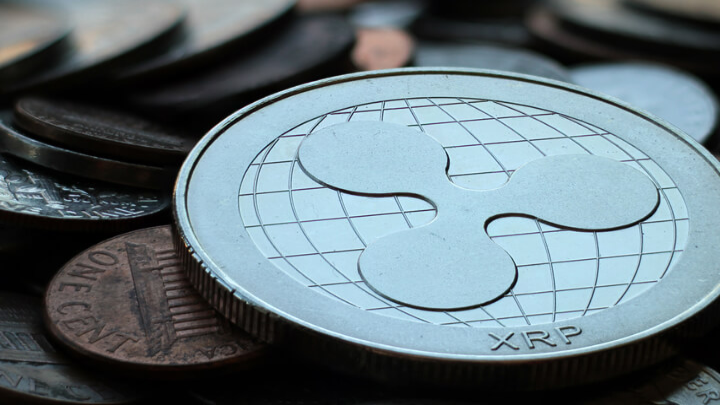
The SEC announced a lawsuit against Ripple in December last year, accusing the company of selling unregistered securities
The value of the XRP cryptocurrency plummeted in response to the news
Ripple CEO Brad Garlinghouse recently responded to the most common questions surrounding the lawsuit
Ripple CEO comments on the SEC’s lawsuit
Ripple CEO Brad Garlinghouse recently discussed the SEC’s lawsuit against Ripple and also talked about the possibility of the company settling with the SEC. Ripple’s general counsel Stuart Alderoty also commented on the issue, and the two pointed to some critical problems regarding the SEC’s allegations that Ripple’s sales of XRP are an unregistered securities offering.
Garlinghouse and Alderoty say that Ripple is actively working to defend itself against the allegations put forth in the lawsuit, and plans to provide a detailed response in the coming weeks. Ripple is planning to break the silence and clarify the allegations around the company.
Garlinghouse touched on five critical questions on his Twitter, including the potential for a settlement and the allegations that Ripple paid businesses entities to utilize XRP. According to Garlinghouse, it’s normal for a payments network like Ripple to pay incentives to its customers, citing Mastercard and Visa as examples.
The Ripple CEO didn’t say anything about Ripple’s attempts in persuading platforms to list XRP, but he said that XRP is decentralized, and they have no control over which venues list or delist the asset. He also explained the recent issue involving investment company Tetragon. Tetragon invested in Ripple’s 2019 Series C and now wants Ripple to redeem its shares following the SEC lawsuit. Garlinghouse says that Tetragon only owns around 1.5% of Ripple, and that he is disappointed Tetragon is trying to take advantage of the SEC’s lawsuit against the company.
Before we can learn more about the case between Ripple and the SEC, we should wait until February. The two parties will discuss the case in a pre-trial conference on February 22. Ripple and the SEC may be able to find a solution regarding the issue that appeases both parties. Meanwhile, holders of the XRP cryptocurrency saw the value of their holdings plummet after the SEC announced legal action against Ripple.
The UK announced the prohibition of cryptocurrency derivatives in October, and it came into effect recently
Crypto enthusiasts have criticized the decision, and they think it will be harmful
Cryptocurrency derivatives were prohibited in the UK starting from January 6. The Financial Conduct Authority (FCA) first announced the news in October, following extensive discussions around the issue. The ban prohibits companies from offering crypto derivatives, including options, futures, and other similar instruments to customers in the United Kingdom.
The FCA says the ban is designed to protect retail investors, but the critics believe the decision will just make the situation worse. Some argue that retail investors will simply move to unlicensed and unregulated platforms outside the UK to resume their trade.
Some critics like Dermot O`Riordan believe the FCA doesn’t have enough knowledge to regulate the issue. He says there are good players like Coinshares for crypto derivatives in the UK, and the ban will force the users to go to other platforms that can`t protect them as well. Crypto derivatives fans will continue their trades in unlicensed places or some foreign venues, which will ultimately expose them to more risks.
UK companies have started to abide by the ban
Firms like CoinShares and eToro will suffer the most from the decision. They manage many crypto assets, and under the new rule, they will not be able to offer the same products as before.
IG is one of the other companies were forced to stop offering their cryptocurrency derivatives products. The company has CFD products that will discontinued so that the company can abide by the new rules. Coinshares believes these actions won`t have a big impact on its business, as their operations are diversified. The company believes in its user base and thinks it can manage the situation very quickly.
Final thoughts
Crypto is a new field, and it can’t be regulated by using the traditional rules standard in finance or stocks. Many governments don’t yet have enough expertise to regulate the space in the best interests of the public. The governments need the cooperation of the crypto community in the area of rules. Without this cooperation, newly-introduced rules could make the situation worse for both investors and businesses instead of improving it.
The gambling industry faces unique challenges other industries usually aren’t subject to resolving. During 2020, online casino operators took on unprecedented hurdles they never expected or were prepared to tackle. One of the things that makes the online gambling sector so impressive is its ability to adjust and adapt without substantially faltering. Tech advances spun online casinos upside down by continually releasing gaming and software updates that enhanced players’ experiences. For example, mobile casino gaming platforms raged in popularity and value through the improvement of mobile devices.
Online operators’ primary goal targets improving a player’s gaming experience to entice loyalty. Much like any other profitable business, online casinos take extra measures to funnel players into devoted VIPs. Virtual casinos are improving mobile casino gaming’s cross-platform experience by creating interactive elements to increase participation. The most crucial tech advancement to hit the gambling world is undoubtedly cryptocurrency’s introduction.
Examples of How Cryptocurrency and Blockchain Ledgers Rocked Online Betting
The majority of online players placing bets have heard about or used cryptocurrencies, such as Bitcoin or Litecoin. Cryptocurrencies function similarly to traditional monetary transactions. The essential difference between the two financial options is the currency’s decentralization from regulated platforms. Regular money gets regulated by third parties using a central platform controlled by institutions. Rather than dealing with processing times and transaction fees, cryptocurrency allows players to skip the middle man’s involvement, which generally would be centralized institutional platforms.
Online casinos quickly pounced on digital currency’s potential by introducing crypto casinos. Crypto casinos don’t accept other currencies other than digital currencies on blockchain ledgers. The exclusive use of digital currencies eliminates unbalanced conversions that take advantage of online gamers. Players at crypto exclusive casinos rarely face the same financial frustrations that plague traditional monetary platforms.
In the past, most crypto casinos only accepted Bitcoin because it was the most well-known out of the growing selection of digital currencies. More virtual casinos began taking varying cryptocurrencies after the industry suffered a severe hit from the 2020 pandemic. Sportsbook operators mimicked online casinos by also implementing cryptocurrency transactions and support. Cryptocurrency correlates with online gambling accordingly to positively engage with consumers using alternative spending and gambling practices. A lot of the major bitcoin sports betting sites now accept at least 3 cryptocurrencies.
Making Room for New Digital Currencies and Casinos
Blockchain technology created a decentralized ledger platform that consequently set the internet gambling world ablaze. Thanks to blockchain technology’s protective and anonymous ledger, players began trusting digital currencies besides Bitcoin.CryptoCasinos maintains an updated menu of prestigious casinos that cater to sportsbook players using the most popular digital currencies. Sportsbook players instantly switched to digital currencies to utilize total anonymity, mainly because of the stigmas related to sports betting.
Bitcoin busted open the casino and sportsbook markets and worked hard to gain players’ trust. Several cryptocurrencies launched after Bitcoin became an instant hit with casino operators and players alike. XRP, Litecoin, and Ethereum became accepted by a plethora of casino operations that catered to players from around the world. Mobile casino apps recently began utilizing crypto transactions after multiple digital currencies reached all-time high values.
Resolving Problematic Issues Relating to Responsive Gaming
Since the launch of online gambling, players have expressed complaints regarding slow transaction times, delayed deposits, and limited withdrawal methods. Virtual casinos responded by introducing responsive transactions with cryptocurrencies and blockchain ledger transactions. Players have access to responsive, anonymous gaming platforms with multiple financial selections.
Virtual reality casino gaming possibly could replace brick and mortar casinos entirely. Machine learning and artificial technological advances continue to bring more realistic and exciting gaming opportunities for sports betting and casino gaming. 4K resolution and live streaming table casinos meshed with secure digital currency have revamped the appearance of even the most prestigious online casinos.
Joe Biden is considering a new stimulus package for Americans
When the Federal Reserve and the government print more money, people seek havens against inflation
Printing more money will weaken the dollar, and could very lead to more adoption for Bitcoin
Now that both the United States Senate and the House of Representatives are in control of the Democratic Party, Democrats will find it a lot easier to implement their economic and monetary policies.
A Democrat-led economic policy is likely to lead to additional stimulus packages. Reports say that Joe Biden is speculating about a stimulus package in the form of $2,000 checks.
The new stimulus and printing of more money will attract people to assets like Bitcoin. Bitcoin started a bull-run after March 2020, and one of the underlying factors that helped provide fuel to the Bitcoin rocket was the accelerated money printing by the US government. When there is more liquidity in the market, Bitcoin’s ascending movement is likely to accelerate.
The constant money printing will increase the inflation rate, and both individuals and institutions will be looking for safe havens against inflations in order to protect their purchasing power.
Bitcoin price increased from $10,000 to more than $40,000 in around 4 months. Institutional investors like MicroStrategy entered the BTC market, getting rid of their USD reserves to protect themselves against inflation.
Biden’s measures in the future might accelerate the BTC surge, allowing the Bitcoin price to touch new peaks. The interest rate in the United States is barely above 0% right now, and it is another factor that forces people to take out their money from the bank accounts.
Experts expect unprecedented inflation in the coming years
The United States government printed $3 trillion in 2020. The influx of this massive amount of money has serious consequences, and it will inevitably lead to an increase in the inflation rate. Quantitative easing policies will make scarce assets like Bitcoin more attractive. We already saw many institutions joining the BTC market in 2020, creating an unprecedented capital inflow to the Bitcoin market.
The bond market can predict future inflation, and the recent increase in the rate of bonds that is the all-time high in the past two years shows a more massive inflation rate in the long term.
The current money printing activities have weakened the dollar, and a tsunami of inflation is on the way. The weakening process is likely to continue due to the new stimulus packages.
Bitcoin reacted well to the measures of the US government after the pandemic. Bitcoin has touched new all-time highs recently, and traders expect more growth in the long-term. We might see corrections on the way, but many indicators suggest that the BTC rally is poised to continue.
As usual, several projects are deploying important mainnet upgrades and launching new features this week. Our this week’s selection consists of three coins that we think will benefit from the increased attention. Will this be enough to end what it appears to be a significantly bearish week in the green?
1. Blockstack (STX)
Blockstack is the project behind the Stacks blockchain, an open-source and developer-friendly network for building decentralized apps and smart contracts on Bitcoin blockchain. The network makes use of the Clarity smart contract language and offers new ways to earn BTC.
The highly anticipated Stacks 2.0 Mainnet launch is scheduled to occur on January 14. The mainnet will support smart contracts and decentralized applications (dApps) deployment on the Bitcoin network. Furthermore, users will soon be able to lock the platform’s native currency – STX to earn BTC rewards. Blockstack team calls this novel function “Stacking”. The important milestone for the platform will be celebrated at a Virtual Mainnet Launch Event, which will take place on January 14 from 10:00 to 18:00 EST. In addition, one of the bigger cryptocurrency exchanges OKCoin has already revealed its plans to list STX as well as intent to offer a seamless for the users to participate in stacking.
2. Matic Network’s (MATIC)
Matic Network is an Ethereum Layer 2 scaling solution that aims to provides major scalability improvements. The Matic protocol plans to deliver supersonic speeds and throughput by utilizing a modified version of Plasma. Its Layer 2 solution consists of several simultaneously run Proof-of-Stake sidechains that regularly push the data to Ethereum, creating network checkpoints.
A Wave of DeFi Integration Caused MATIC to more than Double its Price
The Matic team deployed several improvements throughout 2020, such as a Matic-Ethereum proof-of-stake token bridge that facilitates faster transfers between the networks and the final version of MATIC staking, that will allow the project to further prosper and perhaps survive even when Ethereum concludes the migration to its improved 2.0 variant. In addition, several notable projects, including the virtual world game Decentraland and DeFi protocol Maker have already integrated Matic.
As a result, the MATIC, the network’s native currency delivered an amazing price performance in the first few days of 2021. Driven by the congested Ethereum network (and consequently high fees on the mainnet) and several DeFi integrations, MATIC surged from $0.0175 to almost $0.04 in the first seven days of this year. Although MATIC lost some of its value in Monday’s correction that affected pretty much every cryptocurrency the token is still up by more than 36% YTD. If the Ethereum network stays congested and more projects announce Matic integration, the MATIC token could easily outperform ETH this week.
3. Loom Network (LOOM)
Loom Network allows developers to build highly scalable games and social apps on the blockchain. The platform utilizes an independent blockchain called DAppChain, which uses Relay as a connection to Ethereum smart contracts. The network’s native currency LOOM token functions as a membership pass to access all Loom Network-ran DApps.
The Loom team is looking to integrate zkRollups Ethereum Layer 2 solution in its next instance of the protocol. This will create zkLoom protocol, which will rely on the security guarantees provided by Ethereum itself rather than placing the trust into the hands of LOOM validators. However, the existing LOOM token contract is not upgradable or compatible with zkLoom, so LOOM holders will have to swap their existing tokens for new ones through a new LOOM token contract that will be deployed on the Ethereum mainnet. The token swap is set to take place on January 15. Tokens held on exchanges will be processed automatically, LOOM held in user’s private wallets, however, will have to be converted using the Basechain dashboard. In either case, you can find more information about the tokens swap process here.
Bitcoin rocked the world with its release in 2009, and in the subsequent decade, the concept of cryptocurrency gained real traction in the market. Although it’s still very much on the periphery, this new format has slowly become a more widely accepted method of payment.
The process of acceptance does have a similar feeling to the fears over potential effects on the future spread betting, which never materialized. And this is exactly what we see happening now, as cryptocurrency starts to integrate into mainstream financial markets.
Always volatile, digital currencies received a blow when China opted to outlaw them in 2017. Many predicted the trend would swiftly come to an end, but there was more to the story than met the eye. The objection from China seemed to be less about the concept of a digital currency, and more about who had control as it worked hard to release the digital yuan.
China wasn’t the only country who had a digital form of money in its sights; here’s a closer look at developments.
Digital Currencies: an Oversight
For years, Bitcoin and its peers such as Ethereum have been known generically as cryptocurrency. They are a type of e-currency which shares similarities with digital currencies, without being exactly the same.
The critical difference is that cryptocurrencies are decentralized with regulation being provided by the community. In stark contrast, a digital version is centralized, making it no more than a digital version of money already in circulation.
This has been the major criticism of digital currencies. Rather than offering real innovation, they’re simply a move to making people use the existing money in digital form.
Where to Find Digital Currencies
Digital currencies are still very much in their infancy with few countries launching publicly so far. However, there are many in the pipeline, and there is a real global appetite for digital currencies to become a success.
Part of the reason for this is organic; there has been a shift away from paper and coin currency, so a more sophisticated electronic option seems inevitable.
The countries which have launched their own digital currency so far (or are about to) include China, Ecuador, Tunisia, Singapore and Senegal. Others who are following hot on their heels include Sweden, Russia, Japan and Estonia.
For some of these nations, the end goal is to replace fiat money completely, relying entirely on the new digital currency. For others, the digital format is only intended to supplement continued use of traditional cash.
So far, the US and the Eurozone have resisted the urge to join the throng but will be watching closely. As numbers swell, it’s expected there will be growing pressure for even more countries to join in with the digital revolution.
Not Without Risk
While digital cash is still in the very early stages, concerns have already been raised about what this could mean, especially in authoritarian countries. Relying entirely on digital money as China plans to do means that every transaction and purchase can be tracked, something that many feel apprehensive about.
It could also spell the end for Bitcoin and crypto, or at the very least halt its move into broader use. More central banks could follow the example of China and ban decentralized currency, forcing users to move to their digital cash and abandoning Bitcoin and co.
It’s too early to predict how events will unfold, but it’s clear that as a centralized currency, a digital currency does not offer the same benefits as cryptocurrency. Whether the two can exist in tandem remains to be seen.
Crypto.com users can enjoy up to 25% off Booking.com’s 28M+ accommodation listings
Hong Kong, Jan. 11, 2021 – Crypto.com has announced a partnership with Booking.com to deliver travel deals to all Crypto.com users, available exclusively inside the Crypto.com App. Crypto.com users who make Booking.com reservations in the App can now enjoy up to 25% off accommodations. As an added bonus, users who pay using their Crypto.com Visa Card can get up to 8% back on spending along with great travel perks, including free and unlimited LoungeKey™ airport lounge access, free ATM withdrawals worldwide, and no foreign transaction fees.
According to Booking.com, 65 percent of consumers are excited to travel again in 2021, though the majority (62 percent) expect to be more price conscious when researching for their next trip. Crypto.com’s partnership with Booking.com, one of the world’s largest travel marketplaces, gives Crypto.com users exclusive access to more than 400,000 discounted properties and 28M+ accommodation listings. They can also enjoy seasonal promotions and extend the utility and perks of the Crypto.com Visa Card, ensuring that they have access to the best travel deals—all within the Crypto.com App.
Kris Marszalek, CEO and Co-founder of Crypto.com said:
“In 2020, our Crypto.com Visa Card program grew to become the most widely available card of its kind, and we know that travel perks are a highly sought-after benefit. Our user base also grew in 2020, and we now serve over 5 million users around the world, who are eager to travel again in 2021. We’re delighted to announce our partnership with Booking.com, the first of many we’ll be announcing this year.”
About Crypto.com
Crypto.com was founded in 2016 on a simple belief: it’s a basic human right for everyone to control their money, data and identity. Crypto.com serves over 5 million customers today, providing them with a powerful alternative to traditional financial services through the Crypto.com App, the Crypto.com Visa Card, the Crypto.com Exchange and Crypto.com DeFi Wallet. Crypto.com is built on a solid foundation of security, privacy and compliance and is the first cryptocurrency company in the world to have ISO/IEC 27701:2019, CCSS Level 3, ISO27001:2013 and PCI:DSS 3.2.1, Level 1 compliance, and independently assessed at Tier 4, the highest level for both NIST Cybersecurity and Privacy Frameworks. Crypto.com is headquartered in Hong Kong with a 700+ strong team. Find out more by visiting https://crypto.com
Users on the Kraken platform have staked more than $1 billion worth of crypto on the exchange
Cryptocurrency holders are confident about their long-term prospects
Proof-of-Stake cryptocurrencies are popular among users
According to an announcement by the Kraken cryptocurrency exchange on Wednesday, customers have staked over $1 billion worth of cryptocurrency via its platform. A spokesperson from the exchange revealed that Ethereum represents around one-third of the staked assets. Tezos and Polkadot are among the other significant cryptocurrencies popular among Kraken customers who are using the exchange’s staking services. Kraken also supports other coins for staking, including Kava and Cosmos.
The popularity of staking in the crypto space confirms the long-term outlook by cryptocurrency investors. Holders are currently very confident about the long-term prospects of crypto assets, and don’t mind staking their assets for an extended period of time to earn additional staking rewards. Staking is becoming popular among crypto users, and many users are attracted to it as a passive source of income.
Past investors were focused on short term profits
Investors in the past were mainly focused on short term profits. But now, they are sure that crypto is coming to stay. They believe in the stability and survival of the ecosystem right now, and their prospects are more long term than before.
Staking occurs on a PoS blockchain, and users temporarily lock up their coins to help secure the network. In exchange for this service, stakers are periodically given staking rewards. Many people use exchanges for staking because it’s much more convenient than staking through wallets.
Kraken introduced support for Ethereum 2 staking on December 3. The exchange notified the users about staking Ethereum and stated that the staking is not a short-term process. Those who are staking on Ethereum 2.0 right now will not be able to withdraw their coins until Phase 1.5 of the Ethereum 2.0 transition process is reached.
Esports Veteran Dignitas Joins Neobank Zytara in Leveraging the DigitalBits Network to Power Stablecoin Payments
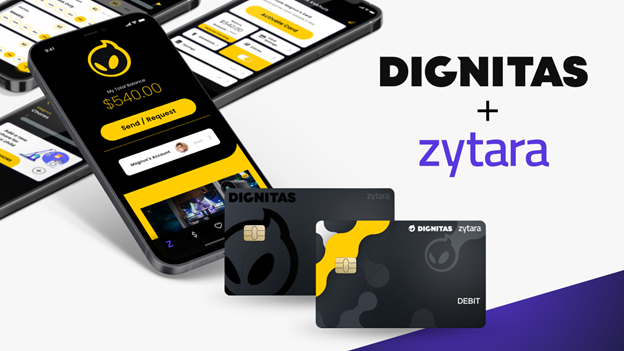
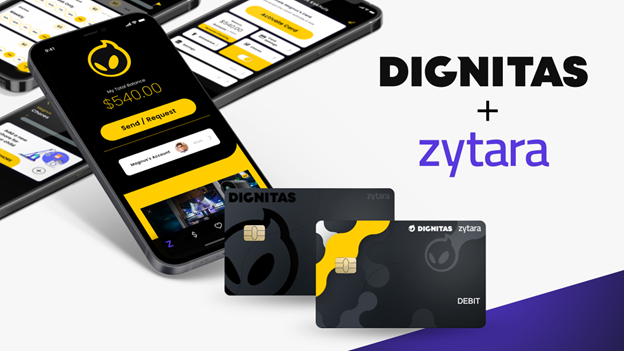
Top esports team Dignitashas announceda partnership with fintech company Zytara to provide digital banking products and services to gamers and esports enthusiasts. At the core of this partnership, Zytara will leverage the DigitalBits blockchain to power the use of stablecoins and other digital assets across the esports and gaming industry.
Dignitas, formed in 2003, is one of the most recognizable names in esports, holding 18 world championship titles and housing 34 world champion gamers. The team was later purchased by Harris Blitzer Sports & Entertainment (HBSE), whichrepresents “a diverse, global portfolio of sports and entertainment franchises and properties that includes the Philadelphia 76ers (NBA), New Jersey Devils (NHL) and more.” In 2019, Dignitas became the esports vertical of New Meta Entertainment, founded by an investor group that includes “HBSE, Susquehanna International Group and Delaware North, among others,” the company says.
The partnership will kick off with the release of several uniquely designed Dignitas-branded app skins and debit cards. These designs will showcase the recent Dignitas rebrand, a nod to the original Dignitas, one of the most historic brands in esports history. Zytara’s full product suite will include checking and savings accounts, virtual and physical debit cards, as well as access to investment tools. The mobile application will include features specifically tailored to gamers, such as integrated automated payments, player-to-player transfers, easy-to-use parental controls.
These features will not only enhance the experience of esports athletes and gamers, but also help to connect the worlds of esports and blockchain, enabling gamers access to innovative technologies, such as unique digital assets and decentralized finance. With approximately 2.7 billion gamers worldwide, this also looks to make massive strides in the realms of financial literacy and inclusion.
“Partnering with a brand as dedicated to the financial education and success of our athletes, creators, and community as we are is an extremely valuable opportunity. We look forward to working alongside Zytara to create innovative fan experiences focused on bringing their digital payment innovations to life,” John Spiher, Vice President of Partnerships at Dignitas, said in a statement.
“I am thrilled that we have announced our partnership with Dignitas. When the concept of Zytara was first born, it was always about bringing to market a banking platform built by gamers, dedicated to gamers. Working with one of the most widely recognized esports organizations in the world shows our dedication to this special group of consumers. We are looking forward to the joint activity taking place with Dignitas throughout 2021 and being able to showcase our innovative products for esports fans and enthusiasts,” said Zytara Founder & CEO Al Burgio.
Burgio is also the founder of the DigitalBits blockchain, a fork of the Stellar protocol, that launched in 2018. DigitalBits comes from a protocol built specifically for payments, providing infrastructure that could streamline the way payments and value transfer takes place within esports today. In addition, the team has worked meticulously to create a partnership ecosystem that supports and enhances these capabilities, including Fireblocks, Messari, and Stably.
What Can the DigitalBits Blockchain Bring to Esports?
Monetization of in-game currency across a global ecosystem
Enable real-time payment transfers 24/7/365
Resolve many of the issues with global tournament prize payouts
Enhance fan engagement
Programmable incentives for gamers
Zytara recently unveiled a series of rockstar additions to its advisory board, including the former CTO of UBS and Credit Suisse, as well as the former co-head of esports and gaming at Goldman Sachs. Zytara has also announced the launch of the Zytara dollar (ZUSD), digital money issued by a regulated financial institution, redeemable on a 1:1 basis for US dollars. ZUSD is designed for the future of finance, esports and gaming, along with countless other applications. “We see the opportunity for ZUSD to become digital money for the gaming industry and beyond with the support of great partners like Dignitas,” said Burgio about the new partnership.
As recently explained in Forbes, ZUSD will initially launch on Ethereum before migrating to the DigitalBits blockchain in 2021. Payments still face significant friction in esports, especially when it comes to those on an international scale. Notably, Epic Games faced issues when distributing some of the $100 million prize pool for Fortnite tournaments. This makes blockchain, which is inherently borderless, a perfect fit.
Zytara is assuming a true, “built by gamers, for gamers” approach, and embedding itself deep within gaming culture. Alignment with prolific brands such as Dignitas demonstrate Zytara’s commitment to not only driving innovation within the esports industry, but doing so in a manner that stays true to the ethos of esports and gaming. The use of blockchain furthers this sentiment, introducing technology built to empower the user. Zytara and Dignitas have set the stage to bring the worlds of blockchain and esports together, a global solution for a global phenomena.