Blog

  • Calyx Review: Seamless Cross‑Chain Launchpad

    Calyx Review: Seamless Cross‑Chain Launchpad

    calyx

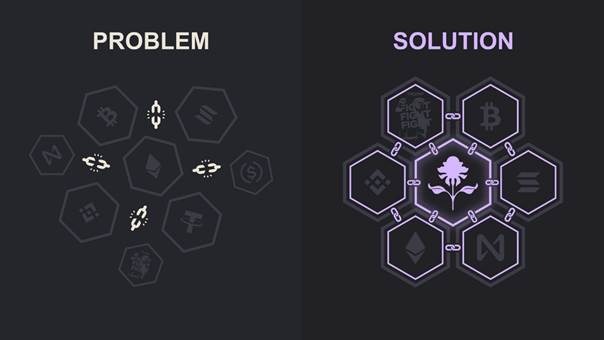
    Among the myriad of launchpads on the crypto landscape, Calyx differentiates itself by removing what many projects and investors perceive to be the most painful aspect: cross-chain fragmentation. Based on NEAR Intents and managed by Aurora, this protocol empowers users to join token sales with funds they already hold, no cross, no swaps, no multi-transactions involved. Covering 19+ chains with $100B+ in cross-chain liquidity, and a simple application process for founders, Calyx is leading the way as the hub of choice for easy, multi-chain token launches.

    But does it ever live up to its hype? Let’s demystify Calyx and see how it works, what unique advantages it offers, and if it’s right for projects looking to dump or investors looking for the next big break.

    Calyx simplifies the process to participate; however, investors should consider the following advantages and disadvantages of the project.

    Pros:

    • No bridging or swaps, use assets you already hold.
    • 19+ chains supported, including Ethereum, BSC, Solana, Arbitrum, and NEAR.
    • Instant claims and cross-chain withdrawals, no waiting for bridges.
    • Transparent sales with clear funding targets and participant counts.
    • Rewards program.

    Cons:

    • Limited project selection (for now): Calyx is still growing its pipeline.
    • Vesting periods apply: tokens aren’t always immediately tradable.
    • Competition for allocations: popular sales (like Intellex) can fill up fast.
    How Calyx works: A frictionless cross-chain experience

    Calyx makes token sales easier by breaking down the typical walls. Here is how to participate (in three key steps):

    Participate: Join sales with any asset, any chain

    Most launchpads require users to bridge assets or swap tokens prior to participating in a sale. Calyx distinguishes itself from the crowd by enabling users to use any supported assets: ETH on Ethereum, SOL on Solana, USDC on Arbitrum and all from their own wallets. Connect, sign one transaction and you’re in.

    Ponder is an investor with USDT on Tron wishing to participate in a sale for a new project on Ethereum. On regular exchanges, they would have to bridge their USDT to Ethereum, pay gas fees, and pray the transaction goes through before the sale ends. Now with Calyx, all they do is connect their Tron wallet, sign the transaction, and participate directly, no additional steps.

    Claim: Unlock tokens instantly across chains

    The tokens become continuously unlocked since the vesting period for a sale starts. Claiming them is just as easy: a single transaction lets users withdraw to any of the 19+ supported chains or leave them on Calyx for trading. Say goodbye to bridge waits and failed transfers.

    Trade: Cross-chain liquidity from day one

    Tokens created on Calyx can be traded across all chains immediately. This means no liquidity silos, no matter if you are using Avalanche, BSC or Polygon, you can buy, sell and hold without limitations. The platform’s OmniBridge technology guarantees that tokens remain portable without requiring redeployment, a significant benefit for projects seeking mass adoption.

    StepTraditional LaunchpadsCalyx
    ParticipationBridge assets, swap tokens, multiple transactionsUse any asset, one transaction
    ClaimingManual bridging, high gas feesInstant claim, cross-chain withdrawal
    TradingLimited to original chainAvailable on 19+ chains from day one

    For projects: Why launch on Calyx?

    Calyx isn’t just for investors, it’s a powerful tool for founders. That’s what makes it such a compelling opportunity for projects:

    Cross-chain reach without the hassle

    Many launchpads force projects to one blockchain, significantly shrinking their potential audience. Calyx turns the script on its head following the traditional launchpads by allowing cross-chain sales immediately. A project launching on Ethereum is able to invite users from Solana, Arbitrum, or even NEAR to participate without having to switch networks. That scales up exponentially.

    Comprehensive support: Tokenomics to liquidity

    Calyx doesn’t only host sales, it gives full-spectrum assistance.

    Prior to launch, reviewing tokenomics, developing GTM (go-to-market) and compliance (including KYB for projects and optional KYC for participants).

    Take Intellex, a project which capped its sale on Calyx in less than five hours, raising 137% of its $50K target. Using Calyx’s cross-chain infrastructure, Intellex drew 203 participants from different ecosystems, a logistical nightmare if confined to a “single-chain” platform.

    Security and compliance built in

    Calyx’s smart contracts are audited, and the platform requires KYB (Know Your Business) for projects to avoid rug pulls. KYC (optional) for participants is another layer of trust – while KYT is keeping the transactions clean.For founders, it means fewer headaches with regulators and more confidence for investors.

    No redeployments, just expansion

    OmniBridge means projects will not have to rewrite contracts to deploy to more chains. Tokens can be easily carried from one ecosystem to another, reducing time and cost to developers. In a way, this is a game-changer for teams that just want to get bigger without sinking into technical debt.

    Calyx rewards: Earn while you participate

    Calyx isn’t just a launchpad, it’s a rewards vault. Users can earn by referring friends.

    • Taking part in sales (bonuses for early supporters).
    • Staking AURORA token.
    • Referring friends.

    Despite the rewards mechanism being less developed than platforms such as Binance Launchpad, it’s a nice bonus for active users.

    Security: Can you trust Calyx?

    Security is what makes or breaks launchpads. Here’s how Calyx safeguards its users:

    • Audited smart contracts: Calyx’s code has been subject to third-party audits to halt exploits.
    • Projects must undergo KYB: Every project needs to verify its business credentials before it, you know, does anything.
    • Optional KYC for users: While not mandatory, KYC adds a layer of trust.
    • KYT monitoring: Transactions are checked for suspicious activity.
    • Non-custodial: You keep hold of your funds until you make a sale.

    That said, no platform is 100% risk-free. Investors should still:

    • Do your own due diligence on the projects.
    • Keep your large holdings in hardware wallets. 

    How to get started with Calyx

    Ready to dive in? Here’s how to get started:

    1. Head to Calyx.xyz, then connect your wallet.
    2. Check active sales.
    3. Participate in a sale with your current assets, no bridging needed.
    4. Mint and trade your tokens on blockchain.

    For projects the process is simple:

    1. Apply your project (tokenomics, roadmap, team details).
    2. Receive strategic and compliance advice from the Calyx team.
    3. Launch cross-chain and reach participants on 19+ ecosystems.

    Final verdict: Is Calyx worth it?

    For projects: So, if you are launching a token and want maximum reach with minimum pain, Calyx is a clear pick. The ability now to access 19+ chains without having to redeploy contracts again is a major time- saver, and the integrated compliance tools help mitigate regulatory risks. The success of the Intellex sale (137% funded in 5 hours) demonstrates the model is sound.

    For investors: Calyx addresses the two biggest headaches with traditional launchpads, no bridging, no swaps, no chain restrictions. If you’re sick of trying to juggle multiple wallets or missing sales because of gas fees, this is a breath of fresh air. The rewards system is a bonus, though it’s not as robust as some competitors.

  • Are These the 10x Crypto You Should Hold in the 2025 Bull Run?

    Are These the 10x Crypto You Should Hold in the 2025 Bull Run?

    The crypto market feels alive again. After two long years of uncertainty, new projects are finally catching fire. One name that keeps coming up is Little Pepe — a meme coin that’s growing beyond the joke status of early meme projects. Investors are starting to whisper that it could deliver up to 15x gains in the coming bull run. It’s not just another hype coin. Little Pepe is actually building real tech under the meme culture umbrella, giving it a solid shot at becoming one of the few tokens that survive the next wave.

    Little Pepe (LILPEPE)

    At the time of writing, Little Pepe (LILPEPE) is priced at $0.0022 in Stage 13 of its presale. It has already raised over $27.1 million out of a $28.7 million target and sold around 16.5 billion tokens. The presale is now 95.65% complete, which means there’s barely any time left before the next price jump. The project has something most meme coins lack: a plan. It’s being built on a Layer 2 network made specifically for meme tokens, which means faster and cheaper transactions. Plus, the team made it sniper bot resistant, so whales can’t unfairly buy up early supply. That’s a smart move, especially for smaller investors. It also passed a Certik audit, a big green flag in a world filled with rug pulls. With zero tax on buys and sells, traders can move freely without worrying about hidden fees. Add the upcoming CEX listings and you can feel why the buzz is building.

    However, it’s not just about technology: the community is growing rapidly. People are quickly embracing the frog, as seen by the fact that the $777k Giveaway has already received over 469,500 entries and the Mega Giveaway has received over 80,300 entries. LILPEPE has a lot of space to expand because it began with a zero market valuation, and analysts predict that after it is listed on exchanges, it might increase by 15x.

    Zerebro (ZEREBRO)

    Next up is Zerebro (ZEREBRO), currently trading around $0.039 as of October 18. Technically, ZEREBRO looks ready for a rebound. Trading indicators suggest steady accumulation with RSI hovering around neutral territory: a hint that momentum could turn bullish with the right catalyst. The project’s small market cap leaves ample room for growth if it can attract developers and users. An aggressive but plausible 10x scenario puts ZEREBRO at around $0.40, which isn’t impossible given its low starting point. A strong news cycle, a major listing, or a partnership in the AI-DeFi crossover space could easily light the spark. For risk-tolerant investors, it’s one to keep an eye on.

    SkyAI (SKYAI)

    SkyAI (SKYAI) is another token sitting in a sweet spot. It’s trading at roughly $0.04 right now, a far cry from its previous highs near $0.09. The idea behind SkyAI is to build a blockchain-based infrastructure for AI data and computing. That’s a narrative investors have been loving this year, and SkyAI is positioning itself well. The market cap is hovering between $35 and $45 million, which keeps it firmly in small-cap territory. It has room to move, and its technical indicators show a mildly bullish trend. Analysts who’ve followed similar AI tokens think a 10x rise to $0.40 is possible if the project announces big partnerships or exchange listings. Of course, that’s an aggressive scenario, but if the 2025 bull run gets as strong as some expect, SkyAI might surprise people with how fast it rebounds.

    Conclusion

    The 2025 bull run may reward investors who spot strong narratives early and Little Pepe is shaping up to be one of those stories. With its solid presale numbers, zero market cap advantage, whale accumulation, community incentives, and upcoming CEX listings, it has everything a breakout meme coin needs. At $0.0022, a 15x move looks both exciting and within reach for those willing to take the early risk. Suppose you want to explore or join before the final listing. In that case, you can visit the official website, connect with the community on Telegram, follow updates on Twitter, or check out the 777k Giveaway.

    This could be one of those rare moments where meme culture meets real innovation and, perhaps, just perhaps, turns into one of the best-performing assets of the next bull run.

    For more information about Little Pepe (LILPEPE) visit the links below:

    Website: https://littlepepe.com

    Whitepaper: https://littlepepe.com/whitepaper.pdf

    Telegram: https://t.me/littlepepetoken

    Twitter/X: https://x.com/littlepepetoken

    $777k Giveaway: https://littlepepe.com/777k-giveaway/

    Disclaimer: This is a sponsored article. The views and opinions presented in this article do not necessarily reflect the views of CoinCheckUp. The content of this article should not be considered as investment advice. Always do your own research before deciding to buy, sell or transfer any crypto assets.

  • Trezor Introduces Safe 7: A Transparent, Quantum-Resistant Crypto Wallet for the Future

    Trezor Introduces Safe 7: A Transparent, Quantum-Resistant Crypto Wallet for the Future

    Key takeaways:

    • Safe 7 features the first open-source secure element chip with tamper protection and no manufacturer NDAs.
    • Includes a dual secure element setup combining the transparent TROPIC01 chip with an NDA-free EAL6+ companion for layered physical and cryptographic protection.
    • Supports wireless connectivity via Bluetooth Low Energy (BLE) and Qi2-compatible charging, secured by the open-source Trezor Host Protocol (THP).
    • Introduces a quantum-ready bootloader that enables future-proof firmware updates against emerging cryptographic threats.
    • Launching at $249, Safe 7 is now available for preorder, with shipping set to begin in about a month.

    A new benchmark in hardware wallet security

    Trezor has revealed the Safe 7, a hardware wallet built to meet the evolving demands of digital asset storage. The device includes several firsts for the company, including quantum-resilient protection and wireless capabilities. At its core is a secure element chip — Tropic Zero One (TROPIC01) — that forgoes traditional closed-door agreements in favor of open inspection.

    The chip, developed by Trezor’s sister firm TropicSquare, is designed to be verifiable by the security research community. If any tampering occurs, the chip wipes all stored data by default, eliminating the risk of key extraction. Safe 7 also incorporates a dual secure element architecture, pairing the open TROPIC01 chip with an NDA-free EAL6+ secondary element for enhanced physical and cryptographic security.

    “From day one, Trezor has been open-source. With Safe 7, even the secure element itself is transparent — no NDAs, no secrets. True trust, verified.”

    —Tomaš Sušanka, Trezor’s CTO

    Safe 7 also integrates a post-quantum secure bootloader and authentication protocol, enabling quantum-secure firmware updates that keep the device protected as cryptography evolves.

    Built for everyday use and long-term durability

    Encased in a one-piece aluminum body with Gorilla Glass on the rear, Safe 7 is engineered to resist wear, dust, and moisture. Its IP54 rating ensures protection from everyday environmental damage. The device also features a 2.5-inch edge-to-edge color display, which is 62% larger than any previous Trezor screen, offering a more user-friendly experience.

    The onboard 3.2V LiFePO4 battery was chosen for its safe chemistry and long-term stability, capable of delivering up to four times more charging cycles than standard lithium batteries — even when fully discharged.

    “We didn’t compromise. We built the most durable, sustainable, and beautiful Trezor yet,” said Ada Budinsky, Head of Product.

    Comparing Safe 7 to earlier Trezor models

    While Trezor Safe 5 brought haptic feedback and a colorful screen to the product line, Safe 7 goes further with wireless connectivity, a significantly larger display, and quantum-ready architecture. It also introduces full auditability for its secure element chip — a first in the industry.

    The more compact Safe 3 remains a cost-effective option, though it lacks the touch interface, microSD support, and advanced security protocols found in higher-end models.

    Design options and accessories

    Safe 7 will be offered in Obsidian Green, Charcoal Black, and Bitcoin Orange. Buyers will also be able to pair the device with optional accessories, including a privacy screen, flip case, wireless charger, and a multi-purpose protective cover.

    Wireless connectivity is powered by Bluetooth Low Energy (BLE) and Qi2-compatible magnetic charging, secured through the Trezor Host Protocol (THP) — an open-source communication layer that ensures encrypted, authenticated, and private wireless connections across devices.

    Through the Trezor Suite platform, users can manage thousands of coins and tokens, trade, stake, and access third-party apps — all from a single interface.

    A Bitcoin-only edition is also available, and early preorders include a free Magnetic Qi2 Wireless Charger.

    Built for self-custody and future-proof security

    “At a time when convenience is pulling users toward custodians and ETFs, we believe it’s more important than ever to reinforce what self-custody really means — full control, without compromise,” said Matěj Žák, CEO at Trezor. “Trezor Safe 7 is our answer: the first hardware wallet with a fully auditable secure element, dual-chip architecture, and wireless design built for the long term.”

    Trezor unveiled the Safe 7 during its Trustless by Design event in Prague, emphasizing the company’s continued push for transparency, usability, and open security standards.

    The bottom line

    Trezor’s Safe 7 marks a shift in how hardware wallets approach transparency and longevity. With its dual secure element, quantum-ready architecture, and hardened aluminum design, the device represents a major step forward in protecting digital assets in a rapidly evolving technological landscape.

  • Top Traders Are Betting on This Crypto Below $0.0025 Over Solana (SOL) and Ripple (XRP)

    Top Traders Are Betting on This Crypto Below $0.0025 Over Solana (SOL) and Ripple (XRP)

    The cryptocurrency market is once again gaining attention, and investors are looking for the next token that can provide big returns. Although Solana and Ripple are still in the spotlight, their size and maturity make it improbable that they will see another 100x increase. This is why traders are turning to a new contender that is promising, yet in its preliminary stages, Little Pepe (LILPEPE). Little Pepe is the token that is rising the fastest in 2025. It is now in Stage 13 of its presale and costs just $0.0022. It has great principles, a creative roadmap, and a helpful community, thus, it might be the next big thing in the crypto world.

    Solana and Ripple: Solid Projects, Slower Growth

    In the blockchain industry, Solana and Ripple are both well-known leaders. However, their huge market values make it much harder to generate profits of three or four digits. Solana (SOL) is now one of the fastest blockchains, attracting developers and DeFi projects from across the industry. But with SOL trading close to $190, the days of expecting 100x growth from such a strong start are over. Ripple (XRP) remains one of the most trusted methods for sending money across borders, and it has established relationships with major banks. However, XRP’s development potential is constrained by both its age and the large supply currently in circulation, despite its price being roughly $2.78. That’s why many experienced traders are adjusting their portfolios at this time. They’re selling off established coins and seeking new projects with rapid growth potential. Little Pepe is now in the spotlight here.

    Little Pepe (LILPEPE): The Rising Star of 2025

    Many people in the crypto community are discussing Little Pepe at the moment. It has grown rapidly from a small presale launch to a large ecosystem that is attracting thousands of new investors. All of the presale stages sold out faster than planned, indicating a high level of demand and confidence in the market. The presale performed well due to its fair and clear tokenomics. The team has implemented anti-sniper bot protection, eliminated buy and sell taxes, and passed a Certik audit, ensuring that all investors are safe and treated fairly. These steps have made the project more trustworthy among serious traders who usually stay away from meme currencies because they aren’t obvious.

    Why Little Pepe Could Outperform Solana and Ripple

    In the next market cycle, Solana and Ripple are likely to continue performing well, but their returns will be steadier rather than substantial. Little Pepe, on the other hand, has the kind of asymmetric upside that early investors want. Even a small rise might lead to big profits at this price of $0.0022. For example, some analysts say that if the token reaches $0.20 after launch, its value would increase by almost 90 times the current presale price. It is more than just a meme coin, as it boasts a growing number of investors, ambitions for Layer 2, and a robust security architecture. It’s evolving into a multi-utility ecosystem that will continue to grow over time.

    Conclusion

    The best opportunities to invest often arise before the rest of the market does. Not many people thought Solana would go from less than $1 to more than $250; also, few predicted that Shiba Inu and Dogecoin would become millionaires. Little Pepe (LILPEPE) is displaying all the characteristics of being the next big crypto success story in 2025. Little Pepe is one of the most promising tokens on the market right now. It has a presale price of $0.0022, a layer-2 environment, an audited smart contract, and a rapidly growing community. Solana and Ripple are still excellent choices, but most people are familiar with their success stories. On the other hand, Little Pepe is just getting started. The next 100x crypto might be celebrated by people who get in early.

    For more information about Little Pepe (LILPEPE) visit the links below:

    Website: https://littlepepe.com

    Whitepaper: https://littlepepe.com/whitepaper.pdf

    Telegram: https://t.me/littlepepetoken

    Twitter/X: https://x.com/littlepepetoken

    Disclaimer: This is a sponsored article. The views and opinions presented in this article do not necessarily reflect the views of CoinCheckUp. The content of this article should not be considered as investment advice. Always do your own research before deciding to buy, sell or transfer any crypto assets.

  • MasterQuant: The Smart Edge Every Modern Trader Deserves

    MasterQuant: The Smart Edge Every Modern Trader Deserves

    If you’ve ever wondered why some traders consistently make better decisions while others struggle to stay afloat, the difference often lies in one thing, data-driven intelligence. And today, that intelligence is no longer locked behind Wall Street terminals or hedge-fund systems. It’s available to everyday investors through MasterQuant, a next-generation platform that’s redefining what efficiency, precision, and automation mean in the trading world.

    By combining the best AI trading bot technology with advanced trade algo systems, MasterQuant allows users to make confident trading moves that are not based on emotion or hype, but on verified market logic.

    What makes MasterQuant different from other AI trading platforms

    Most trading tools promise automation, but very few deliver true insight. MasterQuant stands out because it’s not just another AI trading bot that executes random buy-sell orders. Instead, it’s designed to think and analyze like a professional quant trader, such as tracking trends, assessing volatility, and identifying profitable market patterns before they happen.

    Its trade algo framework doesn’t follow one-size-fits-all rules. It adapts in real time, learning from ongoing market behavior. This means your trades are guided by constantly improving models that respond to actual market conditions, not outdated scripts. MasterQuant also provides a simple dashboard that makes it easy for beginners to understand their performance.

    AI plus human strategy: A balanced approach to trading

    Some investors worry that AI might remove the human touch from trading. MasterQuant bridges that gap. Instead of replacing human judgment, it enhances it.

    The AI trading bot on MasterQuant acts like a digital partner that’s always alert, monitoring hundreds of data points per second, and notifying you when it identifies an opportunity. You still make the final call, but now you do so with far greater confidence.

    Whether you prefer short-term opportunities in volatile markets or long-term accumulation strategies, MasterQuant’s AI system adapts to your style. Its algorithms are flexible, meaning they learn and adjust based on your risk tolerance and performance goals.

    Key features that make MasterQuant stand out

    MasterQuant was built with real traders in mind — not tech engineers who’ve never experienced a losing streak. Its tools reflect the realities of the market and the mindset of an investor who values clarity and results.

    Here’s what makes it shine:

    • Smart Trade Algorithms – The trade algo engine identifies patterns, liquidity changes, and sentiment shifts faster than manual traders can react. It’s designed to optimize entry and exit timing with mathematical accuracy.
    • Real-Time Analytics Dashboard – You get a complete overview of your positions, performance metrics, and risk levels at a glance. Transparency is key, and MasterQuant ensures you always know what’s happening with your portfolio.
    • AI-Powered Decision Support – The system provides actionable insights, not just raw data.
    • Security and Reliability – MasterQuant’s platform employs multi-layer encryption and verified connections with major exchanges, ensuring your assets and data stay protected.

    You can start with a low-risk guant investment plan and gradually scale your trading activity as you grow confident with the platform’s capabilities.

    Why investors are turning to Quant-Style AI tools

    Markets today move faster than before, and retail traders can no longer rely on instincts alone. Institutional investors have long depended on quant trading systems, and now those same advantages are available through platforms like MasterQuant.

    By leveraging the AI trading bot capabilities, MasterQuant provides everyday investors with access to institutional-grade insights. You don’t need to be a coding expert or a mathematician; the platform handles complex calculations in the background while you focus on making sound financial choices.

    Investors are particularly drawn to MasterQuant because it reduces emotional bias. When markets swing, panic and greed can ruin even the best strategies. MasterQuant’s algorithms remain objective, ensuring your positions are guided by data, not emotion.

    Getting started with MasterQuant

    Starting with MasterQuant is simple and designed for convenience. The onboarding process takes just a few minutes, allowing users to move from registration to their first AI-assisted trade in no time.

    1. Create an Account – Sign up on the official MasterQuant website using your basic details.
    2. Choose Your Trading Plan – Select the tier that fits your investment goals. MasterQuant offers flexible options for both newcomers and experienced traders.
    3. Connect Your Exchange or Wallet – Securely link your account to the platform’s supported exchanges.
    4. Activate the AI System – Set your parameters, and the trade algo begins working instantly, analysing and executing opportunities based on your chosen strategy.
    5. Monitor and Refine – Track your progress using the real-time dashboard.

    Conclusion

    In a market full of speculation, MasterQuant brings something rare — simplicity backed by logic. It’s not about chasing hype; it’s about using smart technology to make consistent and informed decisions.

    With its integration of the AI trading bot technology and a powerful trade algo framework, MasterQuant represents the next step forward for investors who want to grow their portfolios efficiently. Whether you’re exploring crypto or diversifying across multiple assets, this platform gives you the structure and precision that modern markets demand.If you’ve been looking for a reliable, easy-to-use trading platform that combines technology and trust, MasterQuant is exactly that. Sign up now and get a free $100 trial bonus.

    Disclaimer: This is a sponsored article. The views and opinions presented in this article do not necessarily reflect the views of CoinCheckup. The content of this article should not be considered as investment advice. Always do your own research before deciding to buy, sell or transfer any crypto assets.

  • Dogecoin (DOGE) Traders Lose Interest as $3 Target Looks Unreachable, Here’s Where Capital is Headed

    Dogecoin (DOGE) Traders Lose Interest as $3 Target Looks Unreachable, Here’s Where Capital is Headed

    For a while, Dogecoin was the epitome of meme coins and everyone wanted to invest. But lately, things have changed. Dogecoin traders seem tired, and that bold $3 dream feels more like wishful thinking than a serious target. Now, the buzz and capital are quietly shifting toward a new player, Little Pepe (LILPEPE), which many believe could deliver a massive 10,000% upside from its presale levels.

    Dogecoin’s Current Struggles

    As of October 13, Dogecoin (DOGE) is trading at around $0.21, a slight increase from $0.19 the day before. That’s roughly an 11% increase, but in the grand scheme of things, it’s not a big deal. For weeks, DOGE has been stuck in a tight range. There’s volume here and there, but nothing exciting enough to convince traders that $3 is anywhere close. It’s like watching a once-fiery race car now idling in neutral. The price just moves sideways. Even the most loyal DOGE fans admit that the spark is missing. A few analysts think a push to $0.25 or $0.30 could happen later this year, but that’s still far from the glory days of wild rallies.

    Where Capital is Moving: Enter Little Pepe (LILPEPE)

    Little Pepe (LILPEPE) is rapidly warming up while DOGE cools down. With 95.45% of the tokens already sold out and a price of about $0.0022, it is presently in its Stage 13 presale. Whales are buying in early, thinking this could be the next big meme-driven gem, with insane presale momentum. What’s driving the excitement? A mix of strong fundamentals and clever community engagement. The team behind LILPEPE has introduced significant community incentives, including a $777K giveaway that has attracted over 457,100 entries, as well as a separate Mega Giveaway with more than 78,700 entries. These aren’t just flashy numbers: they’re proof of a highly active and growing community.

    Bullish Developments Powering LILPEPE

    LILPEPE is doing something few meme coins manage: combining humor with real utility and transparency. The project has already completed a Certik audit, and its upcoming CEX listing is building anticipation across the space. Then there’s the zero market cap advantage, meaning that once it launches, every move upward has an exponential impact. It’s like being on a rocket before ignition. Add in the token’s anti-sniper technology, designed to prevent bots from snatching up early supply, and you’ve got a fair playing field for retail investors. The project is also setting the stage for its own Layer 2 Meme Chain, blending memes and DeFi into one smooth ecosystem. In simple terms, LILPEPE isn’t just trying to ride the meme wave: it’s building its own ocean.

    The Bullish Catalysts

    Crypto moves on catalysts, and LILPEPE has them lined up like dominoes ready to fall. Whale accumulation, an expanding user base, viral social engagement, and strategic exchange listings are all fueling this bullish narrative. Every time new investors join, it adds more trust and liquidity, the lifeblood of any successful coin. And here’s where it gets interesting. Analysts and early backers believe that as soon as the presale concludes and the CEX listing goes live, LILPEPE could soar up to 10,000% from its presale price. If that plays out, a $100 investment today could easily become $10,000, and that’s not even the most optimistic scenario.

    The Bottom Line

    Dogecoin might still have loyal fans, but the capital is clearly moving elsewhere. Investors want energy, innovation, and upside — three things Little Pepe is full of. With its fast-selling presale, whale confidence, community strength, and exchange plans, it’s no surprise LILPEPE is being called the next big crypto where capital is headed.

    If its 10,000% projection plays out, those who get in early could see one of the biggest wins of 2025. You can learn more on the official Little Pepe website, join the Telegram community, follow the latest news on Twitter, or even join the ongoing $777K giveaway.

    In a market that’s always chasing the next big thing, Little Pepe looks like the one everyone’s quietly watching — and maybe, just maybe, the one that makes new millionaires.

    For more information about Little Pepe (LILPEPE) visit the links below:

    Website: https://littlepepe.com

    Whitepaper: https://littlepepe.com/whitepaper.pdf

    Telegram: https://t.me/littlepepetoken

    Twitter/X: https://x.com/littlepepetoken

    Disclaimer: This is a sponsored article. The views and opinions presented in this article do not necessarily reflect the views of CoinCheckUp. The content of this article should not be considered as investment advice. Always do your own research before deciding to buy, sell or transfer any crypto assets.

  • Does Physical Bitcoin Have any Value?

    Does Physical Bitcoin Have any Value?

    Although Bitcoin is now a part of mainstream consciousness, some investors are uncomfortable with putting their money into something that exists in a purely digital form. 

    We have seen several attempts over the years to make physical Bitcoin and attach the digital currency BTC to a tangible object, with varying success. We’ll highlight some of the most notable physical Bitcoin variants and also explain the different meanings of the term “physical Bitcoin”.

    Key highlights:

    • There are two main types of physical Bitcoins – coins with actual BTC value and decorative replicas.
    • Coins with embedded BTC were popular in Bitcoin’s early years but are now mostly discontinued.
    • Collectible physical Bitcoins can be worth more than their BTC content.
    • Physical Bitcoins are less secure than hardware wallets and mainly serve as novelties.

    Physical Bitcoin – Real-life coins with BTC value

    There are certain types of physical Bitcoin that you can buy which actually have a BTC value associated with them. Most commonly, these are gold-colored metal coins that have a code attached to them that allows you to access digital BTC coins on the Bitcoin blockchain. 

    These coins usually employ some kind of tamper-proof mechanism to give prospective buyers the reassurance that the BTC coins associated with the physical coin have not been touched yet.

    The idea of a physical Bitcoin was most popular in the earlier days of Bitcoin, when the idea of a fully digital currency with no representation in the “real world” was perhaps a bit tougher to grasp. In addition, the name “Bitcoin” itself made representing BTC with physical coins a fairly straightforward idea.

    Although there were several examples of physical Bitcoin products, the most notable by far came from a company called Casascius, which was founded in 2011.

    Casascius physical Bitcoins have a Bitcoin private key embedded on the coin, concealed by a hologram that transforms to a honeycomb pattern if tampered with. The exterior of the coin displays the first eight characters of the Bitcoin address associated with it.

    An example of a Casascius physical Bitcoin containing 25 BTC.

    During its time in the market, Casascius produced various versions of its physical Bitcoins in denominations of ₿0.1, ₿0.5, ₿1, ₿10, ₿25, ₿100, and ₿1,000. As you can imagine, the value of Bitcoin when Casascius was active was much lower than it is today – at current prices, a ₿1,000 Casascius coin holds $66 million worth of BTC.

    Regrettably, Casascius was forced to stop operations after U.S. regulator FinCEN notified the company that it would need to get a money transmitter business license or shut down its operations.

    Today, Casascius coins are the most sought-after examples of physical Bitcoin. Thanks to their collectible appeal, Casascius coins can sell at a premium over the value of the actual BTC they contain.

    Other examples of companies that have produced physical Bitcoins include Satori, Ravenbit, Titan Bitcoin, and Alitin Mint.

    Another notable project was Denarium, created by Finnish company Prasos. These coins contained an embedded paper wallet sealed with a tamper-resistant hologram. The company even maintained a public database of all Denarium Bitcoins produced before discontinuing the line.

    Example of a Denarium Bitcoin

    Ravenbit also took a unique approach by offering DIY kits that allowed users to assemble their own physical Bitcoins, embedding their own private keys with holographic stickers.

    Per our research, there is only one active company on the market that is still making new physical Bitcoin products. The company is called Ballet, and sells physical Bitcoin products with denominations ranging from 0.001 to 0.1 BTC. Compared to most other examples of physical Bitcoin, Ballet’s physical Bitcoin products are shaped like a card, and not like a coin.

    Examples of various physical Bitcoin products from Ballet.

    Physical Bitcoins can have some aesthetic appeal, and it can certainly feel nice to invest in something that is tangible. However, there are very good reasons why physical Bitcoins are largely seen as a novelty and haven’t seen much adoption.

    For one, owning a physical Bitcoin is actually less secure than simply storing your cryptocurrency in a hardware wallet. If a thief were to steal your physical Bitcoin, they would easily be able to access the BTC it contains. Meanwhile, hardware wallets are protected with a PIN code,

    which will give you enough time to respond, even if your hardware wallet gets stolen.

    If you buy a physical Bitcoin, you must also trust that the manufacturer doesn’t have access to the private keys imprinted on the coins. This concern doesn’t arise with hardware crypto wallets, because they generate private keys completely offline.

    Devices from manufacturers like Ledger or Trezor are considered among the safest ways to store Bitcoin. As long as users back up their seed phrases securely, even a stolen hardware wallet cannot compromise their funds.

    Physical Bitcoins as decoration

    If someone were to ask you what Bitcoin looks like, the first thing that comes to mind is probably a golden coin with a large ₿ symbol in the middle and writing engraved alongside its edge. This is typically how people represent Bitcoin visually, and you have most likely seen such depictions of Bitcoin countless times on news websites and cryptocurrency sites.

    Such decorative physical Bitcoins can easily be purchased online, and typically aren’t too expensive. However, it’s important to stress that they are just decorations and don’t actually contain any BTC value.

    Physical Bitcoin ETFs

    Sometimes, the term “physical Bitcoin” is used when referring to physical Bitcoin ETFs. These are exchange-traded funds that are directly backed by BTC held by the issuer.

    While the use of the word “physical” can be misleading, it distinguishes spot Bitcoin ETFs — which hold actual BTC — from futures ETFs, which track Bitcoin prices through derivatives. In the U.S., spot Bitcoin ETFs were approved in January 2024 after years of applications by major asset managers.

    FAQs

    There’s quite a few questions that users typically have about physical Bitcoin. Let’s answer some that are asked most frequently.

    What is the value of a physical Bitcoin?

    The value of a physical Bitcoin is largely driven by the amount of BTC that it contains. Over the years, companies have made physical Bitcoins representing a huge range of BTC amounts, from 0.001 BTC all the way up to 1,000 BTC.

    In addition, certain physical Bitcoin might have additional value as collectibles, so they can potentially sell for more than the value of the BTC they contain. The most famous kind of physical Bitcoins are Casascius Bitcoins.

    Are Bitcoins actual coins?

    No, Bitcoins themselves are not physical coins. Bitcoin exists entirely as digital data on the blockchain. Physical Bitcoin coins are simply representations that may or may not contain access to BTC through private keys.

    Can you physically buy Bitcoin?

    Bitcoin is a fully digital currency. However, if you want to hold Bitcoin in a physical form, the closest you can get is to purchase a “physical Bitcoin”. These are physical representations of Bitcoin that have the information to access a pre-determined quantity of BTC inscribed on them. 

    If you want to buy Bitcoin in person, you can use a Bitcoin ATM, which allows you to purchase Bitcoin with cash. We generally advise users against using Bitcoin ATMs, as they tend to charge very high fees.

    How to check a physical Bitcoin?

    Physical Bitcoins usually incorporate a tamper-proof system that clearly reveals if someone has previously attempted to reveal the confidential information needed to access the Bitcoin wallet associated with the coin. If you want to buy a physical Bitcoin, ensure that you’re purchasing it from a manufacturer or seller with a very good reputation.

    The bottom line

    Although physical Bitcoins are an interesting chapter in the story of Bitcoin, they are not much more than a gimmick. They are not very convenient to use and have security risks that you don’t need to worry about with other methods of storing Bitcoin.

    If you want the best combination of security and convenience, consider using a hardware wallet along with a metal backup for your seed phrase.

  • 4 Missed Bitcoin (BTC) and Binance Coin (BNB) Rallies to ATH? These are the Coins that You Need to Consider

    4 Missed Bitcoin (BTC) and Binance Coin (BNB) Rallies to ATH? These are the Coins that You Need to Consider

    Investors know the regret of missing out on top assets, especially when they go on to rally toward new All-time highs. Little Pepe, Ethena, Pudgy Penguins, and Arbitrum are the new set of tokens to replicate the past rallies of Bitcoin and Binance Coin.

    Little Pepe (LILPEPE)

    Little Pepe is currently deep into its presale, sitting around 95% into stage 13 at a price of $0.0022. To date, the project has raised almost $27 million, selling over 16.4 billion tokens across 13 presale phases. That level of capital inflow before listing hints at strong demand and conviction. Because only a fraction of the total supply is allocated to the public presale (about 26.5%), post-listing price pressure from token unlocks may be muted, providing room for strong initial appreciation. If listing prices land several multiples above presale levels, a pattern witnessed in prior token launches, early participants stand to capture steep returns.

    Given its dual appeal as both a meme play and an infrastructure project, Little Pepe arguably offers the richest asymmetric upside of the quartet. The risk is clear: technical execution, adoption, and successful transition from presale to open markets must validate the promise.

    Ethena (ENA)

    Ethena presents a different appeal, rooted less in viral branding and more in DeFi infrastructure and yield dynamics. As of now, ENA trades in the $0.35 to $0.60 range with a notable trading volume, and it has made strong appearances across multiple exchanges. The token’s historical performance includes peaking above $1.52, showing it has experienced earlier bullish phases.  The recent supply unlock events (on the order of $22 million) introduce short-term headwinds, but such dynamics also create opportunities for price reversion when demand outpaces newly released supply. The underlying thesis is that a well-constructed yield or governance engine combined with consistent on-chain utility can reawaken interest in a “missed rally” play. ENA’s path to relevance may not generate viral headlines, but steady traction in DeFi circles, strategic partnerships, and adoption in yield strategies could catalyze multiples over the mid to long term.

    Pudgy Penguins (PENGU)

    Pudgy Penguins carries a unique cultural backbone. Originally known as a successful NFT collection, it has evolved into a tokenized brand with real entertainment, IP, and community tie-ins. The PENGU token has seen meaningful moves, gains of 41% in one week, and triple-digit month-to-month growth, highlighting renewed investor appetite. In some reporting, Pudgy Penguins is riding institutional speculation, including filings for a potential PENGU spot ETF. What gives PENGU appeal is the brand’s visibility, its immersive narrative, and the gradual shift from collectible proposition to utility token. If the ecosystem around PENGU (games, media, IP licensing) activates, the token could absorb inbound capital from both crypto natives and mainstream audiences. That hybrid appeal, between meme, art, and brand equity, makes it an intriguing “bridge” bet for those seeking upside beyond pure speculation.

    Arbitrum (ARB)

    Arbitrum is distinct from the other three in being a well-established Layer 2 scaling solution for Ethereum, not a pure “meme-ish” play. Its relevance comes from real demand for scalability, lower gas costs, and Ethereum’s persistent congestion issues. When Ethereum’s activity surges, the L2s that carry that traffic often benefit as second-order catalysts. Recent momentum has shown ARB bouncing back; reports suggest institutional capital is rediscovering its long-term thesis. Narrative momentum has shifted toward infrastructure plays over flashy coin launches, and ARB sits squarely in that narrative. As applications, DeFi, and user volume migrate to Layer 2s, Arbitrum stands to benefit from the organic scaling demands of Ethereum’s base layer.

    Conclusion

    For investors who missed the recent surges in Bitcoin and BNB, these four tokens provide distinct entry points into the next wave of growth. An astute portfolio could balance exposure across these quadrants: allocate a larger share to Little Pepe for high upside, a middle slice to Pudgy Penguins and Ethena to ride momentum and utility, and reserve a stable position in Arbitrum to benefit from systemic infrastructure growth.

    For more information about Little Pepe (LILPEPE) visit the links below:

    Website: https://littlepepe.com

    Whitepaper: https://littlepepe.com/whitepaper.pdf

    Telegram: https://t.me/littlepepetoken

    Twitter/X: https://x.com/littlepepetoken

    Disclaimer: This is a sponsored article. The views and opinions presented in this article do not necessarily reflect the views of CoinCheckUp. The content of this article should not be considered as investment advice. Always do your own research before deciding to buy, sell or transfer any crypto assets.

  • How to Generate a 12 or 24-Word Seed Phrase? (Ledger, MetaMask, Trust Wallet, etc.)

    How to Generate a 12 or 24-Word Seed Phrase? (Ledger, MetaMask, Trust Wallet, etc.)

    24 words long crypto seed phrase

    A seed phrase, also known as a mnemonic or recovery seed, is a series of randomly generated words used to create the private key for a cryptocurrency wallet. This phrase acts as a backup, enabling wallet restoration and fund access if the original wallet is lost or damaged. Seed phrases are typically 12 to 24 words long, generated by wallet software, and must be stored securely and never shared, as they provide access to wallet funds.

    Seed phrases are vital for accessing private keys, which are complex strings of 256 alphanumeric characters. In contrast, seed phrases are easier to remember and store. Constructed from 2048 words outlined in Bitcoin Improvement Proposal 39 (BIP-39), they are nearly impossible to guess or brute force with current technology.


    Ledger is the leading hardware wallet manufacturer. Headlined by its Nano X and Nano S Plus models, Ledger’s selection of devices is widely considered the best crypto hardware wallets lineup. 


    Always use first-party seed phrase generators. Using third-party generators is extremely risky and can lead to a loss of funds.

    How to generate a seed phrase using a Ledger hardware wallet

    To generate a 24-word seed phrase using a Ledger hardware wallet, follow these steps:

    1. Connect your wallet to your PC: Download and install the Ledger Live software from Ledger’s website. Connect your Ledger device to your PC, which is compatible with Windows, Mac, and Linux.

    ledger wallet set up process

    2. Enter your PIN: Set a 4 to 8-digit PIN as an additional security layer before accessing Ledger Live.

    ledger wallet pin selection

    3. Write down your seed phrase on a piece of paper: The Ledger device will display a unique 24-word sequence. Write down each word and confirm it on the device. Do not photograph or store it digitally.

    ledger wallet seed phrase

    4. Store your seed phrase securely: For maximum security, use a metal wallet like Billfodl, Cryptosteel Capsule, or Cryptotag Zeus. These provide protection against fire, water, and physical damage.

    seed phrase written on a piece of paper

    5. Your Ledger is ready to use: After setting up and securing your seed phrase, you can start managing your crypto assets with your Ledger wallet.

    ledger wallet ready to use

    After setting up your crypto wallet, the most vulnerable part of your crypto security is the seed phrase – and it’s easy to understand why. Storing the seed phrase online leaves you open to cyber attacks, whereas storing it on a piece of paper makes it very vulnerable to physical damage. Consider purchasing one of the best metal crypto wallets for seed phrase storage to patch that vulnerability.

    How to generate a seed phrase using MetaMask, Trust Wallet, or some other software wallet

    To create a 12-word seed phrase using MetaMask (or a similar software wallet), follow these steps:

    1. Download and install the MetaMask browser extension: Visit the MetaMask website and download the browser extension.

    metamask wallet broweser extension

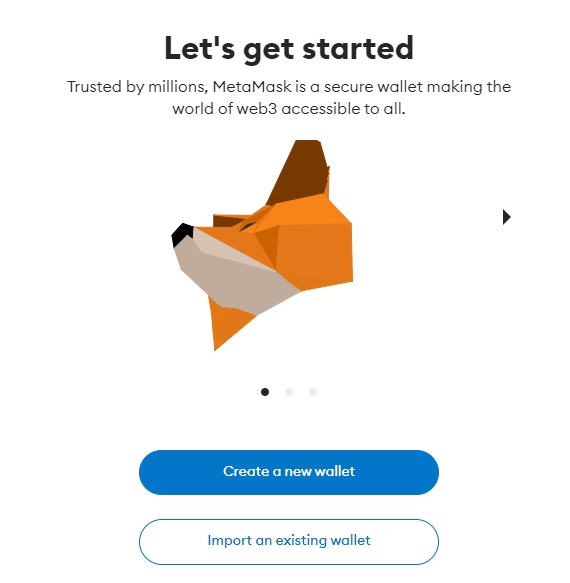
    2. Create a new wallet or import an existing one: If you don’t have an existing wallet, create a new one. You can also recover an existing wallet by entering your 12-word seed phrase.

    setting up metamask wallet

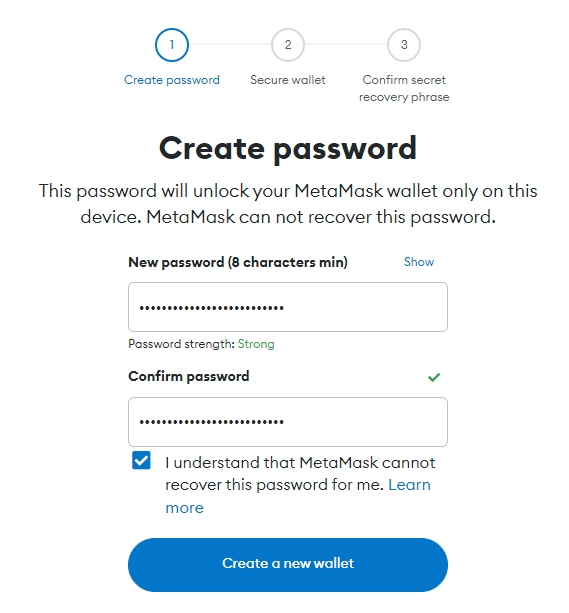
    3. Set up a strong password: Generate a strong password for your MetaMask account and store it securely, as it won’t be saved automatically.

    metamask wallet password setup

    4. Secure your wallet with a Secret Recovery Phrase: MetaMask will reveal a randomly generated 12-word seed phrase. Write it down and store it securely. You can also skip this step for now, but be aware that this makes your crypto less secure. If you lose access to your wallet, you won’t be able to restore access to crypto deposited in it in case of theft or loss.

    metamask wallet seed phrase generator

    5. Write Down and Confirm Your Recovery Phrase: Store the seed phrase securely (in a metal wallet, dedicated password manager, or safe deposit box). Confirm it by entering three missing words prompted by MetaMask.

    metamask wallet seed phrase generator

    6. Wallet Successfully Created: You can now use your MetaMask wallet to manage your crypto assets.

    metamask wallet succesfuly created


    Please note that while we focused our attention on MetaMask due to its popularity, the setup process is very similar for other software wallets, such as Trust Wallet or Coinbase Wallet.

    How to generate a 12-word BIP39 seed phrase using a calculator

    This method shows how to manually create a 12-word BIP39 seed phrase with nothing but a scientific calculator. It’s a fully offline approach that ensures complete control over your wallet’s entropy – perfect for anyone who prefers air-gapped security over trusting software or hardware random number generators.

    Unlike wallets that rely on built-in RNGs, the calculator method lets you generate random numbers yourself and map them to the BIP39 word list. The result is transparent, verifiable randomness that never touches an internet-connected device.

    Step 1: Gather your tools

    You’ll need a scientific calculator with a random function (such as randInt(1,2048)), a BIP39 word list, scratch paper, and a secure backup option – ideally a metal wallet.

    Step 2: Generate 11 random words

    Power the calculator on and off a few times to clear any memory, then use the random function to produce numbers between 1 and 2048. Each number corresponds to a word in the BIP39 list. Write down the matching words until you have 11 unique entries.

    Step 3: Determine the 12th word (checksum)

    The final word includes a checksum derived from the first 11. To calculate it, use an offline BIP39 checksum tool or a verified open-source script. Once you find the correct final word, add it to complete your phrase.

    Step 4: Secure your phrase

    Transfer the full 12-word phrase to a metal backup or another durable offline medium. Avoid storing it digitally or taking photos. Safely destroy all scratch notes once the backup is complete.

    Step 5: Done – your offline seed is ready

    You’ve now created a fully offline seed phrase using only a calculator and a printed list. This process maximizes transparency and minimizes any risk of digital compromise.

    Conclusion

    The security of a seed phrase is paramount in safeguarding your cryptocurrency assets. Always use first-party seed phrase generators provided by your wallet provider, and avoid third-party tools. Ensure your seed phrase is stored securely, most preferably offline, to minimize potential attack vectors.