Blog

  • How Long Does It Take to Mine 1 Bitcoin?

    How Long Does It Take to Mine 1 Bitcoin?

    Theoretically, you can mine 1 Bitcoin in roughly 10 minutes. This is because the Bitcoin blockchain adds a new block (and releases the associated block reward) about every 10 minutes. Realistically, however, you need to make a significant investment in ASIC miners to mine 1 BTC in a reasonable period of time.

    Currently, the Bitcoin block reward is 3.25 BTC. If you set up a solo Bitcoin miner and got extremely lucky, you would be able to earn 3.25 BTC in about 10 minutes after you started mining. However, it’s important to understand that this scenario is highly unlikely unless you made a very large investment into Bitcoin mining hardware.

    Since Bitcoin mining is extremely competitive and the Bitcoin protocol releases 100% of the block reward to a single miner, most miners would never earn any BTC if they didn’t join a mining pool.

    If a miner that’s part of a given mining pool receives a block reward, the reward is split across all miners in that pool, proportional to the amount of hashrate they are contributing to the pool. For example, if you contributed 10% of the pool’s hashrate and another miner in your pool found a block, you would receive 10% of the 3.125 BTC reward (0.3125 BTC). 

    So, how long does it take to mine 1 Bitcoin realistically?

    The Bitcoin blockchain is entirely public, which means we have access to all the information required to calculate roughly how long it would take to mine 1 Bitcoin in various scenarios.

    By knowing a mining pool’s average hashrate in a given time period and how many Bitcoin blocks they mined during that period, we can arrive at a rough estimate of how much hashrate is required to mine 1 BTC in that period. 

    Market share of Bitcoin mining pools based on number of blocks mined in the last 7 days as of February 2026. Image source: HashrateIndex.com

    For example, let’s calculate how much hashrate we would need to mine 1 BTC in 1 day on average.

    Foundry, which is currently the biggest Bitcoin mining pool in the world, mined 319 blocks in the last 7 days, which translates to 997 BTC in rewards. By dividing this figure by 7, we see that they earned 142 BTC per day on average in the last week.

    Therefore, you would need 1 / 142 (equivalent to 0.7%) of Foundry’s hashrate if you wanted to mine 1 BTC per day on average. The average hashrate of the Foundry mining pool in the last 7 days was 310.6 EH/s, and 0.7% of that figure is 2.17 EH/s. This is how much hashrate you would need to be able to mine 1 BTC per day on average.

    Reaching that level of hashrate requires a very large investment. As an example, let’s take the Bitmain Antminer S21 ASIC miner, which produces 200 TH/s and is listed at a price of $5,400 by the manufacturer (prices can vary depending on the merchant). 

    To achieve the 2.17 EH/s that is currently required to mine 1 BTC in a day on average, you would need 10,375 Antminer S21 miners, which would require an investment of $35 million.

    Your computing power determines how long it takes to mine 1 Bitcoin

    Now, let’s take a quick look at the following table to get a better idea of how fast you can mine Bitcoin, assuming different investment amounts into ASIC miners:

    Amount of Bitmain Antminer S21 ASIC minersHashrateInvestment amountTime to mine 1 Bitcoin
    51,000 TH/s$27,0001,310 days 
    102,000 TH/s$54,000655 days 
    5010,000 TH/s$270,000131 days
    10020,000 TH/s$540,00065 days
    500100,000 TH/s$2.7 million13 days
    1,000200,000 TH/s$5.4 million6.5 days
    5,0001 EH/s$27 million1.3 days
    10,0002 EH/s$54 million0.65 days

    These calculations are based on the difficulty of mining Bitcoin as of February 2026 and the assumption that the miner being used is the Antminer S21, which produces 200 TH/s and is listed at a price of $5,400 by the manufacturer. 

    It’s also important to stress that the calculations above don’t account for other costs of mining Bitcoin, such as electricity, maintenance, cooling, and the space where the miners are located. Accounting for these costs would drive the investment amounts required to mine 1 BTC in a given time period substantially higher.

    The Bitcoin mining landscape has become even more competitive lately following the Bitcoin halving, which happened on April 19, 2024. The halving reduced the block reward from 6.25 BTC to 3.125 BTC. 

    Even though the Bitcoin mining difficulty has dropped recently, it’s still roughly at the levels we saw in March. This means that mining a Bitcoin block still requires about the same amount of resources as it did in March, but yields half the rewards, which puts significant pressure on less efficient Bitcoin mining operations.

    Why Bitcoin miners join mining pools

    Without specialized Bitcoin mining hardware, it’s nearly impossible to mine 1 Bitcoin in any reasonable timeframe. For example, trying to mine Bitcoin with a standard gaming GPU won’t work due to the high level of competition in Bitcoin mining.

    Solo mining (mining Bitcoin without joining a mining pool) is more akin to gambling in a lottery than a reliable income source, unless you operate a large-scale mining farm with hundreds or thousands of rigs. The most feasible way to earn through Bitcoin mining is by joining a mining pool, which still requires a significant investment in proper mining hardware to make sense financially.

    The reason why it’s so difficult to make any profits with solo mining is that the Bitcoin protocol awards each block reward to only one miner. For example, if you controlled just 0.0001% of the total Bitcoin network’s hashrate, you would only have a 0.0001% chance of receiving a reward as each block is added to the Bitcoin blockchain. 

    Joining a mining pool provides a much more predictable stream of revenue. When any miner in your pool successfully mines a block, you would receive a portion of the Bitcoin reward, proportional to the amount of hashrate you contribute. 

    The bottom line

    With Bitcoin being priced north of $66,000 at the time of writing this article, it’s no surprise that mining 1 Bitcoin is far from a trivial task. 

    The recent Bitcoin halving has heated up the competition in the Bitcoin mining industry even further, which means that mining only makes sense for miners that can achieve the highest levels of efficiency through low electricity costs, highly effective cooling solutions, or other competitive advantages. 

    If you don’t want to make a significant investment of money and time into Bitcoin mining, it will likely result in a financial loss. Of course, if you want to engage in mining simply from a hobbyist perspective, the financial aspect is less important.

    If you want to explore an alternative way of investing into Bitcoin mining, make sure to take a look at our list of the best Bitcoin mining companies to invest in for 2026.


  • 8 Best Crypto Bridges for Cross-Chain in 2026

    8 Best Crypto Bridges for Cross-Chain in 2026

    The cryptocurrency ecosystem consists of numerous blockchains, which means that if you want to take advantage of various opportunities in the space, you’ll likely need to transfer tokens from one to another sooner or later.

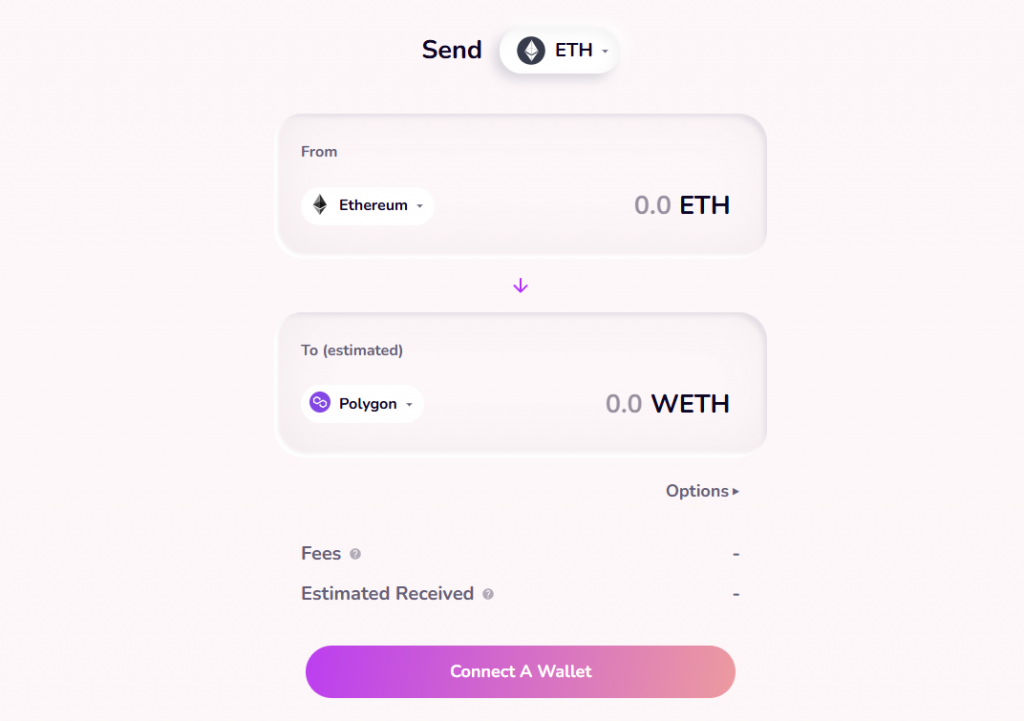
    Crypto bridges allow users to send their digital assets from one blockchain to another, enabling them to make the best of decentralized finance opportunities on different blockchain platforms. 

    In this article, we are going to examine some of the best crypto bridges available in the market today and go over their features.

    List of the best crypto bridges:

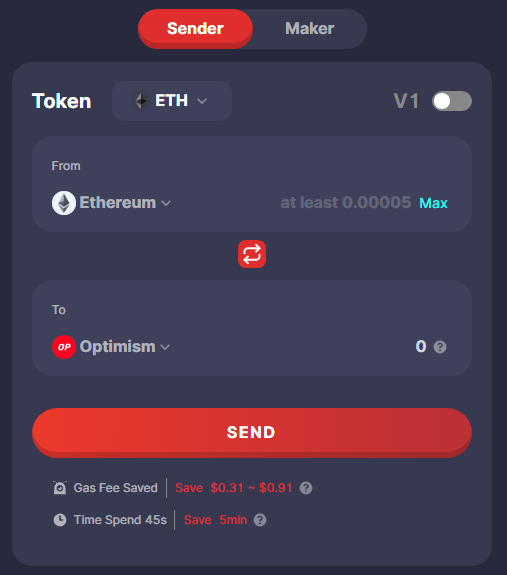
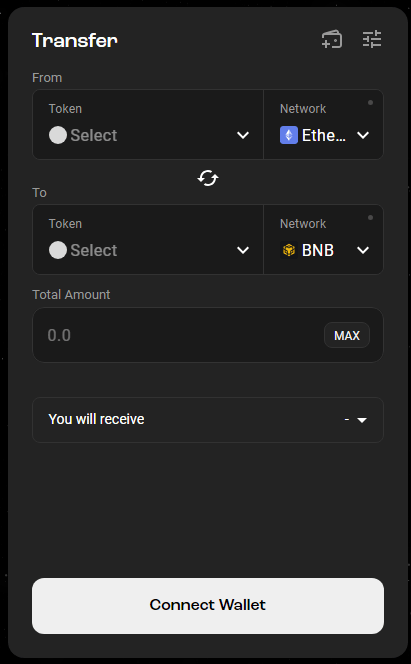
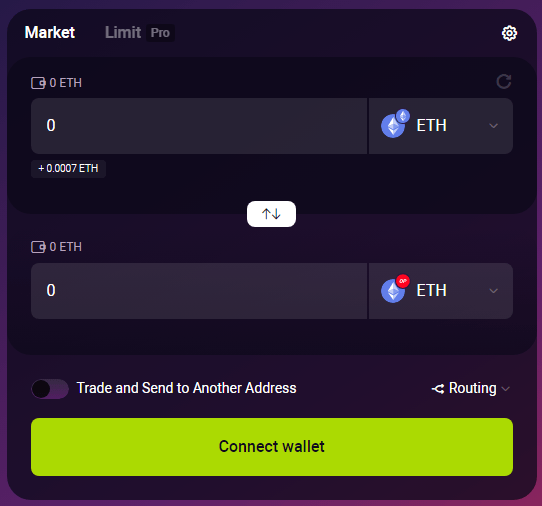
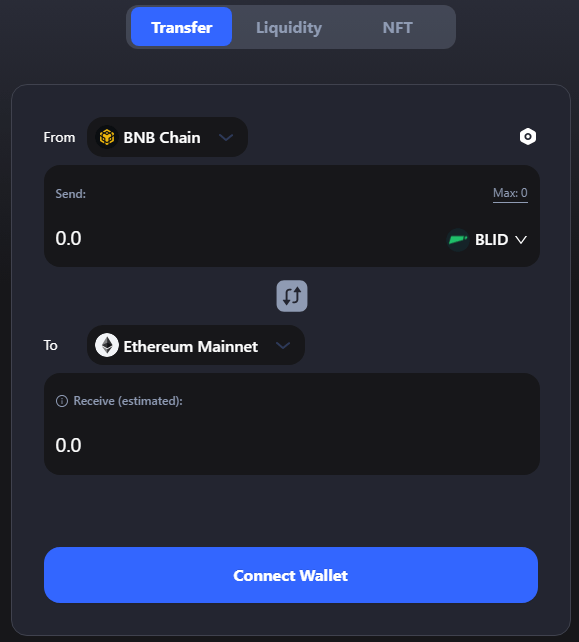
    1. Across Bridge – Fast and secure bridge for Ethereum layer 2 transfers
    2. Orbiter Finance – Cross-rollup bridge focused on low fees and instant transfers
    3. Stargate – Token bridge with a diverse range of supported platforms
    4. deBridge – Decentralized bridge supporting arbitrary cross-chain messaging
    5. Celer cBridge – Celer’s token bridging solution
    6. Portal Token Bridge – A bridge for both EVM and non-EVM blockchains
    7. Hop Protocol – Bridge specialized for Ethereum layer 2s
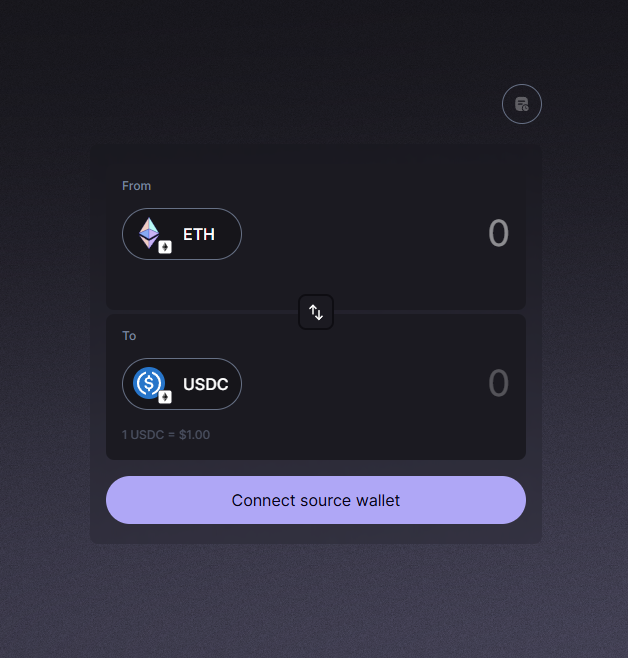
    8. NEAR Intents – Top bridging aggregator with the best UI

    Examining the best crypto bridges for transferring tokens between blockchains

    In the following sections, we are going to look into the best blockchain bridges. Before we get started, it’s important to point out that crypto bridges are a relatively new concept, and they are responsible for handling large amounts of crypto. This makes them a popular target for hackers. While the security of crypto bridges is getting more robust by the day, you should still be aware that using them isn’t completely risk-free.

    Note that the monthly volume and daily transactions stats reflect the data collected in February 2026. Data was sourced from DeFiLlama and Token Terminal.

    1. Across Bridge – Fast and secure bridge for Ethereum layer 2 transfers

    across bridge

    Across Bridge is a cross-chain interoperability protocol designed to provide the fastest and lowest-cost bridging services. It allows users to transfer assets between different blockchain networks efficiently. The protocol utilizes a system of cross-chain intents, enabling streamlined and user-centric interactions with decentralized applications (dApps). These intents are powered by a modular setup, including a request for a quote mechanism, competitive relayers, and a settlement layer. 

    Across Bridge is one of the most active crypto bridges in the cryptocurrency sector. On October 9 alone, it handled over 30,000 transactions, more than any other bridge in that time period. In the last 24h, the bridge handled a whopping $12 million in cross-chain transactions, primarily on Ethereum and Arbitrum networks.

    Monthly Volume$1.13 billion
    Daily Transactions30,800
    Supported BlockchainsArbitrum One, Base, Ethereum, Linea, Optimism, Polygon, ZkSync Era

    2. Orbiter Finance – Cross-rollup bridge focused on low fees and instant transfers

    orbiter finance bridge

    Orbiter Finance is a decentralized cross-rollup Layer 2 bridge. It facilitates fast and efficient asset transfers between various blockchain networks, specifically focusing on Layer 2 solutions. Currently, Orbiter Finance supports zkSync and Arbitrum, with plans to include more rollups in the future. It aims to enhance interoperability and scalability in the Ethereum ecosystem by providing a seamless bridging experience.

    The Orbiter bridge supports more than 30 different networks, including Layer 1 and Layer 2 platforms. This makes it one of the bridges with the widest range of supported platforms, which is a great value proposition if you are looking to save up on gas fees by using Layer 2s.

    Monthly Volume$137 million
    Daily Transactions1,800
    Supported BlockchainsOptimism, Blast, Mode, Zora, BEVM, zkSync Lite, Polygon zkEVM, Polygon, Arbitrum Nova, Loopring, Immutable X, Starknet, BNB Chain, Solana, TON, and 10 more

    3. Stargate – Token bridge with a diverse range of supported platforms

    stargate bridge

    Stargate is a fully composable liquidity transport protocol at the core of Omnichain DeFi. It allows users and decentralized applications (dApps) to transfer native assets across chains using unified liquidity pools with instant guaranteed finality. Stargate supports liquidity provision, where providers earn stablecoin rewards and can farm LP tokens for STG rewards. Additionally, STG token holders can stake to receive veSTG, the governance token, increasing community involvement and governance.

    It’s worth noting that Stargate handled more than $465 million in transaction volume over the past 30 days, fourth most among cryptocurrency bridges during the period. Meanwhile, the platform handled over 17,400 transactions, the second-most out of all bridges.

    Monthly Volume$465 million
    Daily Transactions17,400
    Supported BlockchainsEthereum, BNB, Avalanche, Polygon, Arbitrum, Optimism, Fantom, Metis, zkEVM, zkSync, Base, and 10 more

    4. deBridge – Decentralized bridge supporting arbitrary cross-chain messaging

    debridge

    deBridge is a decentralized protocol enabling cross-chain interoperability and liquidity transfers. It allows secure and efficient transfer of data and assets between different blockchains. The protocol is designed for high performance, offering fast finality and minimal slippage. It integrates seamlessly with various blockchain ecosystems, providing developers with tools to build cross-chain applications. Security audits and a bug bounty program ensure the platform’s robustness.

    The platform supports all of the most popular blockchain networks, including Ethereum and BNB Chain. However, if you are looking for a crypto bridge that supports the majority of crypto networks, you’ll have to look elsewhere.

    Monthly Volume$1.48 million
    Daily Transactions22,800
    Supported BlockchainsEthereum, BNB Chain, Polygon, Arbitrum, Avalanche, Solana, Linea, Optimism, Base, Neon

    5. Celer cBridge – Celer’s token bridging solution

    celer cbridge

    Celer Network is a blockchain interoperability protocol enabling seamless multi-blockchain user experiences for tokens, DeFi, GameFi, NFTs, and governance. It features the Celer Inter-chain Messaging (IM) framework, allowing developers to build inter-chain-native dApps with efficient liquidity and coherent application logic. 

    Celer cBridge supports fast, secure, and low-cost asset transfers across 40+ blockchains, processing over $14 billion in cross-chain volume. The platform also includes Peti, an omnichain liquidity protocol for zero-slippage trades.

    Monthly Volume$123 million
    Daily Transactions2,200
    Supported BlockchainsEthereum, BNB Chain, Avalanche, Polygon, Optimism, Arbitrum, Aptos, Fantom, Flow, Base, Linea, Klaytn, and 25 more

    6. Portal Token Bridge – A bridge for both EVM and non-EVM blockchains

    The Portal Token Bridge is a decentralized cross-chain messaging and asset bridge protocol that connects isolated blockchain ecosystems via a network of “Guardians” (validator nodes).

    Portal Token Bridge supports fast, low-cost and secure token (and NFT) transfers across 20+ blockchains. The bridging mechanism locks tokens on the source chain and mints wrapped versions on the destination chain, all mediated through the Wormhole messaging layer.

    Portal is powered by a set of ~19 Guardians whose signatures validate cross-chain messages. The protocol has been audited by firms such as Trail of Bits and uses upgradable smart contracts under Guardian governance.

    Monthly Volume$2.17 billion
    Daily Transactions13,000
    Supported BlockchainsEthereum, BNB Chain, Avalanche, Polygon, Optimism, Arbitrum, Aptos, Fantom, Flow, Base, Linea, Klaytn, and 25 more

    7. Hop Protocol – Bridge specialized for Ethereum layer 2s

    Hop Protocol is a scalable rollup-to-rollup bridge designed to enable fast token transfers between Ethereum and its Layer 2 networks. It uses the Hop Bridge and hToken model, where liquidity providers facilitate instant swaps while canonical bridges handle final settlement.

    Hop supports seamless transfers for major assets like ETH, USDC, USDT, DAI, and MATIC across leading Layer 2s including Arbitrum, Optimism, Polygon, Base, and Ethereum mainnet. The protocol is governed by the Hop DAO, giving token holders control over updates and incentives.

    Since launch, Hop has processed over $3 billion in cumulative volume and remains one of the most reliable bridges in the Ethereum ecosystem, valued for its low fees and high transfer speeds.

    Monthly Volume$114,830
    Daily Transactions128
    Supported BlockchainsEthereum, BNB Chain, Avalanche, Polygon, Optimism, Arbitrum, Aptos, Fantom, Flow, Base, Linea, Klaytn, and 25 more

    8. Hop Protocol – Bridge specialized for Ethereum layer 2s

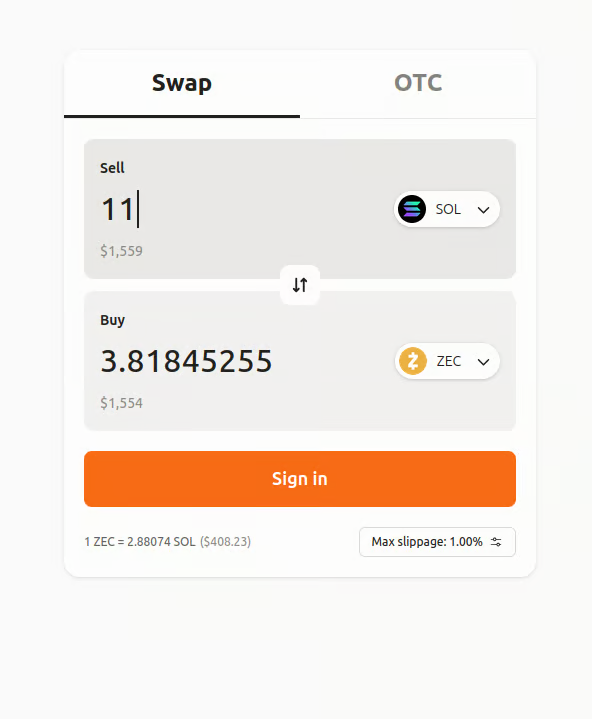
    NEAR Intents is a cross-chain protocol that enables seamless swaps between different crypto assets across multiple blockchains. Built on an intent-based architecture, the protocol allows users to define the desired outcome of a transaction, such as swapping SOL for ZEC, while independent solvers compete to execute the trade under the best possible conditions. The most competitive offer is automatically selected, helping users secure favorable rates.

    NEAR Intents supports a broad range of blockchains, including many that are not typically covered by standard crypto bridges. Beyond Ethereum, EVM chains, and layer 2 networks, it also connects ecosystems such as Bitcoin, Zcash, and Solana. In addition to its flexibility, the protocol stands out for its smooth user experience. For example, its integration in the Zashi wallet enables seamless cross-chain swaps for Zcash users.

    The standalone NEAR Intents application is compatible with multiple crypto wallets, including Phantom, Solflare, OKX Wallet, Coinbase Wallet, and others.

    Monthly Volume$2.59 billion
    Daily Transactions18,000
    Supported BlockchainsArbitrum, Avalanche, Polygon, BNB Chain, and 10 more

    The bottom line

    Cryptocurrency bridges are a necessity if you want to make the best out of opportunities in the decentralized finance space. While they do present some risks, they are the only way of transferring coins and tokens across different blockchains.

    If you want to avoid paying high transaction fees, it’s best to use a blockchain that has a low gas fee. Solana is one of the best options in that regard. Check out how much is Solana gas fee for more information.

    For additional ideas of which bridges to use, you can watch the following video by CoinCodex.

  • WEEX Exchange Review 2026: A Derivatives-First Platform with High Leverage

    WEEX Exchange Review 2026: A Derivatives-First Platform with High Leverage

    If you’re primarily interested in crypto futures trading, WEEX is an exchange you’ve probably come across. Established in 2018, the platform has grown into a globally accessible derivatives venue with millions of users and reported daily trading volumes in the billions.

    Unlike exchanges that focus on fiat banking integrations, staking products, or passive earning tools, WEEX is built around active trading. Its core appeal lies in perpetual futures contracts, high leverage options, and access to a broad range of altcoins.

    In this review, we take a detailed and neutral look at WEEX’s trading features, fees, regulatory position, security approach, user feedback, and overall reliability.

    What Is WEEX?

    WEEX is a centralized cryptocurrency exchange that launched in 2018. From the beginning, it positioned itself as a derivatives-focused platform rather than a retail-friendly, banking-style crypto exchange.

    The company reports serving over 10 million users worldwide and consistently displays strong 24-hour trading volumes, especially in major perpetual futures markets such as BTC/USDT and ETH/USDT.

    In terms of positioning, WEEX is closer to exchanges like Bybit or OKX than to heavily regulated platforms such as Coinbase. It prioritizes leverage, market variety, and trading tools over integrated financial services.

    Trading Products and Features

    Spot Trading

    Although derivatives are the main attraction, WEEX also offers spot trading across more than 1,000 cryptocurrencies. Major assets like Bitcoin (BTC), Ethereum (ETH), and XRP are supported, alongside a wide range of smaller-cap tokens.

    Most spot pairs are denominated in USDT. The selection is broader than what many strictly regulated exchanges offer, which may appeal to traders seeking exposure to emerging or volatile altcoins.

    The spot interface is straightforward and similar to most centralized exchanges, offering market and limit orders.

    Futures Trading and Leverage

    Futures trading is the platform’s core strength. WEEX offers perpetual contracts with leverage of up to 400x on select trading pairs.

    This level of leverage is significantly higher than what most regulated exchanges allow. While high leverage can amplify potential profits, it also dramatically increases risk. A small adverse move in price can trigger liquidation when using extreme leverage.

    For example, at 100x or 400x leverage, even minor price fluctuations can wipe out an entire position. Because of this, the futures offering on WEEX is better suited to experienced traders who understand margin requirements, liquidation thresholds, and funding rates.

    The platform supports standard order types and provides tools for managing positions, including stop-loss and take-profit functionality.

    Copy Trading

    WEEX includes a copy trading feature, allowing users to follow and automatically replicate trades executed by selected traders.

    This feature lowers the entry barrier for beginners who may not yet feel confident executing their own strategies. However, copy trading does not eliminate risk. Performance depends entirely on the trader being followed and overall market conditions.

    As with any automated strategy, results can vary significantly.

    Referral Program

    One of WEEX’s more aggressive marketing features is its referral system. The platform advertises commissions that can reach up to 90% of trading fees generated by referred users.

    This makes the exchange attractive to influencers and trading communities. However, referral incentives should not be the main factor in choosing a trading platform. Execution quality, liquidity, and reliability remain more important considerations.

    User Experience and Interface

    WEEX offers a clean and relatively uncluttered interface. Price displays are clear, menus are logically organized, and spot and futures trading sections are separated for clarity.

    The trading layout will feel familiar to anyone who has used major centralized exchanges. Order entry panels are straightforward and easy to understand.

    Some users report brief loading delays when switching markets or refreshing charts, particularly during high volatility. However, once loaded, order execution appears responsive.

    The exchange is accessible via desktop browser and through dedicated iOS and Android mobile applications.

    Mobile App

    The WEEX mobile app supports:

    • Spot and futures trading
    • Real-time price tracking
    • Position management
    • Account settings and verification
    • Security features such as biometric login

    The app mirrors most of the desktop functionality. For quick position checks and trade execution on the go, it performs adequately. For more detailed charting and multi-screen setups, desktop remains the better option.

    App store ratings are generally above 4.0 on both iOS and Android. Positive feedback often highlights usability, while negative reviews tend to focus on verification processes or promotional disputes.

    Regulation and Licensing

    WEEX’s regulatory position requires careful interpretation.

    The exchange is registered as a Money Services Business (MSB) with:

    • FinCEN in the United States
    • FINTRAC in Canada
    • Bitcoin Services Provider registration in El Salvador

    MSB registration primarily relates to anti-money laundering (AML) reporting and monitoring obligations. It does not equate to a full exchange license from major financial regulators such as the UK’s Financial Conduct Authority or comprehensive EU regulatory frameworks.

    In 2025, reports indicated that the Georgia Department of Banking and Finance issued a cease-and-desist notice concerning licensing requirements. Situations like this are not uncommon in the crypto sector but underscore the importance of verifying jurisdiction-specific compliance before using any exchange.

    WEEX does require KYC verification for certain services, particularly fiat-related access and higher withdrawal limits.

    Security Measures

    WEEX states that it uses industry-standard security practices, including:

    • Cold wallet storage for the majority of user funds
    • Two-factor authentication (2FA)
    • Account verification safeguards
    • Proof-of-reserves disclosures

    The exchange has not reported major external hacks.

    However, in March 2025, the platform experienced a temporary issue involving delayed order matching on the ETH/USDT trading pair. WEEX reportedly resolved the issue within approximately 30 minutes and compensated affected users with around $6 million.

    Operational incidents can occur on any exchange. In this case, the compensation suggests that the platform took steps to address user losses.

    Regardless of platform reputation, traders should always enable 2FA and avoid storing long-term holdings on exchanges.

    Fees

    Futures Trading Fees

    WEEX offers competitive futures fees, generally around:

    • Maker: ~0.02%
    • Taker: ~0.06%

    These rates are consistent with other major derivatives exchanges.

    Spot Trading Fees

    Spot trading fees are typically around 0.10%, which aligns with the broader industry standard among centralized exchanges.

    Deposits and Withdrawals

    • Crypto deposits are generally free.
    • Withdrawal fees vary depending on the asset and network used.
    • Fiat funding options appear limited and are primarily based on bank transfers.

    As always, traders should review the current fee schedule before initiating transfers.

    Customer Support and User Feedback

    WEEX provides support through live chat, email, and a help center.

    User reviews are mixed. Some traders report stable long-term usage and smooth execution. Others mention delayed responses, repeated verification requests, or temporary account restrictions during compliance reviews.

    Account freezes linked to AML monitoring appear to be one of the more common complaints. This is not unique to WEEX and occurs across many centralized exchanges, but response times and communication quality can vary.

    Overall, support experiences appear to depend heavily on the complexity of the issue.

    Who Is WEEX Best Suited For?

    WEEX is most suitable for:

    • Active derivatives traders
    • Users seeking high leverage
    • Traders interested in a wide range of altcoins
    • Those comfortable using offshore exchanges

    It may be less suitable for:

    • Users prioritizing strong regulatory oversight
    • Traders seeking integrated fiat banking services
    • Long-term holders who prefer regulated custodial environments

    Final Assessment

    WEEX is clearly built around derivatives trading. Its strengths include high leverage options, competitive futures fees, broad asset support, and a relatively clean trading interface.

    At the same time, the exchange does not operate under comprehensive top-tier regulatory licensing, and user feedback indicates occasional friction related to compliance processes.

    For experienced traders who understand leverage and are comfortable navigating jurisdictional considerations, WEEX offers a capable and competitive trading platform.

    For users who prioritize strict regulatory clarity and integrated financial services, more heavily licensed exchanges may provide greater peace of mind.

  • Digital Assets Week Returns to New York with Deutsche Bank

    Digital Assets Week Returns to New York with Deutsche Bank

    The world’s leading institutional conference is back in the heart of New York on 13-14 May, where capital markets transformation will be examined in depth, from issuance and market structure to settlement, custody, liquidity and regulatory alignment.

    This year’s event will be hosted by Deutsche Bank with the underlying foundation of Global Asset Digitization projects. It is the only venue where the commercialization of tokenizing assets is discussed comprehensively and at scale.

    Digital Assets Week is institution led and designed to support substantive dialogue between market participants and regulators on implementation, risk management and market structure as digital assets increasingly intersect with traditional capital markets.

    The New York conference typically gathers 400 to 500 participants, with the audience highly curated to ensure senior institutional representation. Participants across the series include the majority of large banks and asset managers, alongside policymakers, supervisory authorities and infrastructure providers actively engaged in regulated market development.

    This year’s action packed agenda includes a range of panel discussions and roundtables covering topics such as:

    • Moving Public Markets ‘On Chain’ – Is This ‘Hype’ or ‘Reality’? (What Does This Mean in Reality?)
    • Tokenized Private Markets and Secondary Liquidity – Where Have We Really Got To?
    • The Vision of 24/7 Markets and Real-Time Settlement – Challenges and Opportunities?
    • Tokenized ‘Yield’, ‘Deposits’, ‘MMFs’, ‘CBDCs’, ‘Rolling Contracts’… – Where is Product Innovation Taking Us? And where do stablecoins really fit?
    • Tokenized Private Markets – Which Assets Are Moving On-Chain First and Why?
    • Interoperability, Standards, Legacy Systems, Regional Boundaries – The Challenges for Tokenization Scale?
    • Institutional Blockchain Adoption – Is It Re-Engineering the Post-Trade and Back-Office Space?
    • Making ‘Dumb’ Assets ‘Smart’ – Is Tokenization Finally Delivering?
    • The Global Roll-Out of Regulation – What’s the Current State for Stablecoins and Tokenized Assets?
    • TradFi Custody vs. Token/Crypto Custody – Are The Two Worlds Now Merging?
    • Defining the DeFi Boundary: How Institutions Can Access Innovation, Without Importing Risk

    and many more crucial topics for the industry.

    Past attendees of DA Week include senior executives from Bank of America, BlackRock, BNP Paribas, Citi, Franklin Templeton, Societe Generale Corporate and Investment Banking (SGCIB), State Street, J.P. Morgan, HSBC, Federal Reserve Bank of New York, BNY, DTCC,

    Fidelity Investments, WisdomTree, Morgan Stanley, Bank Julius Baer, Coinbase Asset Management, Bank Frick, Pantera Capital, SEI Investments, Wells Fargo Bank, New York Life Ventures, Outerlands Capital, U.S. Bank, Arta Global Markets, ClearBank, TD Bank & many more.

    Registration for the event is open, offering the competitive earlybird rate until 20th March and the possibility to apply for complimentary access for certain senior executives from Institutional Banks, Fund Managers, Asset Managers and Hedge Funds whose primary business is investment management, with a minimum of $50m AUM. Tickets can be accessed here:
    DIGITAL ASSETS WEEK NEW YORK TICKETS

    For sponsorship and speaking enquiries, or to request the agenda and attendee sample please
    contact: Julia Simonova julia@daweek.org

    OP-ed disclaimer: This is an Op-ed article. The opinions expressed in this article are the author’s own. CoinCheckup does not endorse nor support views, opinions or conclusions drawn in this post and we are not responsible or liable for any content, accuracy or quality within the article or for any damage or loss to be caused by and in connection to it.

  • From Trading Venue to Transaction Backbone: How Binance Became Core Crypto Infrastructure

    From Trading Venue to Transaction Backbone: How Binance Became Core Crypto Infrastructure

    The myth that crypto is a high-speed casino for retail speculators has been busted. In 2025 and also in early 2026, the market matured into something far more rigid. We moved past the experimental phase where platforms were just apps for chasing volatility. Today, these venues operate more like critical financial utilities, providing the backbone for a new transactional economy rather than just a playground for day traders.

    Wintermute’s 2025 OTC report offers hard evidence of this shift. The old dynamic where profits cycled rapidly into speculative small-cap tokens didn’t play out. Capital instead consolidated in Bitcoin and Ethereum. This concentration signals a market that is looking for depth and reliability rather than quick flips, mirroring the trading patterns of established institutional asset classes.

    Capital shifted from BTC, ETh into other large-cap tokens, not the long tail

    Source: Wintermute OTC (Data as if Dec 2025)

    CME Group’s 2025 performance offers further proof. The exchange reported record average daily volumes of $12 billion, representing some 278,000 contracts. This level of activity on a regulated platform indicates that the drivers of the market have changed; participation is now sustained by the need for professional execution and deep liquidity.

    Regulatory milestones, compliance, and institutional growth

    The narrative that regulation stifles crypto market growth was effectively inverted in 2025. Instead of acting as a barrier, compliance became the primary catalyst for capital entry.

    Inflows hit $130 billion in 2025 according to JPMorgan’s estimates, a number largely supported by corporate treasuries and institutional players who needed compliant access to the market. This represents a structural change; capital is no longer just chasing yield, it is seeking safe, compliant rails.

    That demand for regulated access underscores why Binance’s full authorization under the Abu Dhabi Global Market matters. It proves global exchanges are finally integrating the governance, custody, and clearing standards that traditional finance demands as part of a move from operating on the periphery to operating within a recognized tier-one regulatory regime.

    “The ADGM license crowns years of work to meet some of the world’s most demanding regulatory standards. And arriving within days of the moment we crossed 300 million registered users shows that scale and trust need not be in tension: the more people trust the system, the more it grows.” — Richard Teng, Co-CEO of Binance

    The efficacy of these systems is evident in the data. A compliant ecosystem must effectively filter out bad actors to be viable for the global financial system. Despite handling growing volumes, illicit activity is shrinking relative to legitimate flow. Binance reported a 96% reduction in direct exposure to illicit funds since 2023, reinforcing the reality that compliance systems are operating effectively at scale.

    Stablecoins as the real settlement layer

    While asset prices often garner the headlines, the most substantial infrastructure shift has been in the settlement layer. Stablecoins have evolved from trading chips into a global payment utility.

    Data from TRM Labs indicates that stablecoins now comprise 30% of all on-chain volume, with annual transaction volume exceeding $4 trillion by mid-2025. This volume isn’t just trading pairs; it represents payments, cross-border settlement, and remittance flows moving on-chain.

    Average market capitalization of leading stablecoins (2020-2025)

    Source: TRM Labs

    The stablecoin market reached $312 billion as of early 2026. That capital isn’t sitting idle; it is settling transactions. US legislation like the GENIUS Act accelerated this utility, giving institutions the regulatory cover they needed to start using stablecoins for settlement.

    We are seeing this utility reach the real economy. Binance Pay, for instance, saw its merchant network grow to over 20 million. This suggests that the infrastructure is finally touching main street commerce and not just digital wallets. This validates the thesis that crypto is becoming a transaction backbone.

    Binance’s infrastructure stack

    In this matured environment, the platforms winning market share are those operating as integrated stacks combining deep liquidity with diverse services like Web3 access and real-world assets. Winning platforms are no longer just matching engines; they are portals to the broader decentralized economy.

    “Alpha illustrates how the definition of ‘trading on Binance’ has changed from ‘placing orders on an order book’ to discovering new ecosystems,” noted Yi He, Co-CEO of Binance. “Earning rewards for early participation, and moving fluidly between centralized and on-chain environments.”

    Operational maturity is now the defining metric for these stacks. CoinDesk’s last November Exchange Benchmark kept Binance at the top with a 93.4 score and an AA rating. This ranking reinforces the idea that deep liquidity and strict compliance are no longer mutually exclusive. 

    The scope of infrastructure is also widening to include tokenization. According to RWA.xyz, the value of tokenized real-world assets jumped 261% in 2025 to over $20 billion. This explosion in RWAs illustrates that crypto infrastructure is now required to support traditional financial assets, not just native tokens.

    Total RWA value

    Source: rwa.xyz

    Crypto is officially a mature market

    The crypto industry’s evolution is officially underway. It is no longer a collection of non-regulated platforms and protocols but a cohesive transaction backbone.

    The defining metrics of success are no longer just sign-ups, but regulatory compliance, exemplified by ADGM authorizations, and liquidity depth. As the market moves deeper into 2026, the distinction between crypto platforms and traditional financial utilities continues to blur, driven by an infrastructure that is now regulated, resilient, and ready for global scale.

  • Cardano Price Prediction for 2040 & 2050: Is ADA a Good Long-Term Investment?

    Cardano Price Prediction for 2040 & 2050: Is ADA a Good Long-Term Investment?

    Cardano is a mainstay in the cryptocurrency and blockchain sector, and has been among the 10 largest crypto projects for several years now. 

    Will Cardano stay relevant in the future, or will it gradually lose its prominence? In this article, we’ll explore a long-term Cardano price prediction for 2040 and 2050 to see how high the ADA price could go in the future. 

    About Cardano

    Cardano is a blockchain project that was founded in 2015, raising $62 million through an ICO to fund development. The founder of Cardano is American entrepreneur Charles Hoskinson, who first became known in the world of crypto and blockchain as one of the co-founders of Ethereum. 

    Cardano’s mainnet was launched in September 2017, initially with limited capabilities. Over the years, it has undergone several updates to increase its decentralization and add important features such as a Proof-of-Stake consensus mechanism and the ability to support smart contracts.

    ADA, the native digital currency of the Cardano ecosystem, is utilized for transaction fees and as a reward mechanism for validators who contribute to the network’s security. The blockchain is powered by a scientifically vetted Proof-of-Stake protocol known as Ouroboros.

    What sets Cardano apart from other blockchain platforms with smart contract capabilities is its implementation of the EUTXO (Extended Unspent Transaction Output) model for its transactions. 

    Additionally, Cardano’s choice of the Haskell programming language as the basis for its Plutus smart contracts enables formal verification, highlighting the Cardano project’s focus on security and reliability.

    Cardano price analysis

    Cardano is among the most popular cryptocurrencies on the market today, and has a market capitalization of over $20 billion. Although ADA is still ranked in the crypto 10, it has been outperformed recently by other top crypto assets such as Bitcoin, Ethereum and Solana.

    Cardano’s all-time high came in September 2021, when ADA hit a peak of $2.92. The coin then endured an extreme price correction, reaching a bottom of $0.24 in December of 2022. Cardano’s recovery began in 2023, and has so far peaked at $0.75. 

    Notably, Cardano is still down nearly 90% from its all-time high, even though Bitcoin has already managed to improve upon the all-time high it set during the 2021 crypto market bull run. Cardano, on the other hand, only managed to reach $1.32, well below its ATH of $3.10.

    Cardano price prediction for 2040 & 2050 – What can we expect from ADA as a long-term investment?

    To begin with, we should clarify that forecasting the long-term performance of any asset is very difficult, especially when we’re dealing with the highly volatile and unpredictable cryptocurrency market. Therefore, it’s not reasonable to expect a high degree of accuracy when attempting to predict the price movements of a cryptocurrency over multiple decades.

    Still, we can get an idea of how ADA could perform as a long-term crypto investment over a long by using the growth rates of well-established investments as a benchmark. 

    Here is a table of what the ADA price would be in 2040 and 2050 if it grew at the same rate as various other investments.

    ADA price in 2040ADA price in 2050
    5% annual growth$0.57$0.92
    S&P 500 historical ROI (11.19%)$1.39$4.32
    QTEC historical ROI (19.62%)$3.51$21.03
    Apple 10-year CAGR (26.71%)$7.85$83.77
    Based on the ADA price of $0.29 as of February 18, 2026. CAGR stands for compound annual growth rate.

    When looking for realistic price targets for ADA, we need to consider what the implications would be for the coin’s market capitalization. 

    The maximum supply of ADA coins that can exist is 45 billion. We should note that not all ADA coins are in circulation yet, as the current circulating supply is roughly 36.1 billion. However, we’ll be using the maximum supply of 45 billion in our calculations.

    So, while a price target such as $100 might not seem too unreasonable at first glance, it would imply a market capitalization of $4.5 trillion for ADA. This would make it worth nearly as much as Nvidia ($4.6 trillion), which is currently the world’s most valuable company.

    Now, let’s take a look at long-term Cardano price forecasts from crypto data aggregator CoinCodex. Please keep in mind that these are algorithmic price predictions that are fully based on price history and current market dynamics, and don’t take into account any fundamentals or real-world events. 

    Cardano price prediction for 2040

    There are several ways to estimate the future price of an asset. For example, if we use ADA’s historical annual returns to project Cardano’s price in 2040, the result becomes absurd. The calculation would suggest prices in the hundreds of millions of dollars per ADA, which is clearly unrealistic and heavily distorted.

    Instead of relying on Cardano’s past price performance, we chose a more conservative benchmark. We used the long-term annual return of the S&P 500 Index, a widely recognized investment standard. Between 1975 and 2025, the S&P 500 delivered a compound annual growth rate of about 11.19%. Using our Cardano profit calculator with the 11.99% ROI to project future portfolio growth, the ADA price would grow to $1.39 by 2040.

    Cardano price prediction for 2050

    When we extend the outlook even further, the power of compounding becomes clear. Over several decades, Cardano’s native token could theoretically gain thousands of percentage points. Still, no one can say with confidence what the crypto market will look like that far into the future.

    For our 2050 projection, we once again used the historical average return of the S&P 500 as a baseline. If ADA were to match that benchmark, its price would reach $4.32 in 2050.

    Summary

    Unless there are major shakeups in the crypto markets, we can expect Cardano to continue being one of the leading projects in the sector. The project has an engaged community, is consistently seeing technical upgrades, and is based on unique technologies that differentiate it from other smart contract-enabled blockchain platforms. 

    If you’re looking to keep exploring the crypto markets, make sure to take a look at our list of the best cryptocurrencies to buy now

  • Tectonic to host inaugural Quantum Summit at ETHDenver 2026 focused on post-quantum cryptography readiness for Web3

    Tectonic to host inaugural Quantum Summit at ETHDenver 2026 focused on post-quantum cryptography readiness for Web3

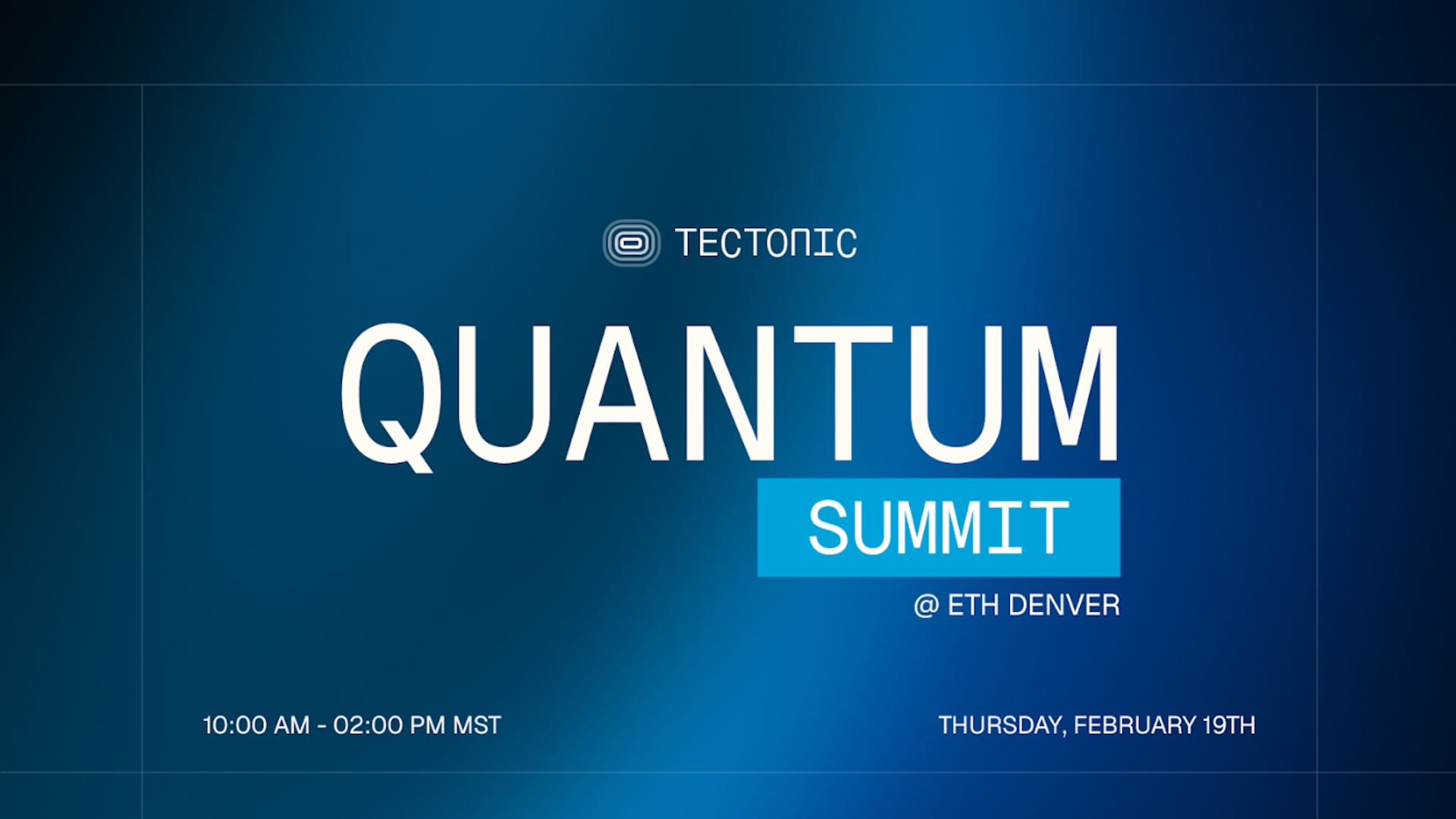
    Denver, Colorado, February 17th, 2026 – Tectonic announced the inaugural Quantum Summit, an ETHDenver 2026 event focused on practical preparation for post-quantum cryptography. The event will take place Feb. 19, 2026, at RISE Comedy in Denver.

    Quantum computing is advancing, putting the cryptography used across much of the internet and many blockchain ecosystems under long-term pressure as the industry moves toward post-quantum cryptography. The transition is not a simple algorithm swap. It is a multidimensional migration effort that touches standards, protocol design, wallet security, identity systems, privacy tooling, operational readiness, and interoperability across ecosystems.

    Quantum Summit is designed for developers, cryptographers, and institutional stakeholders seeking practical, implementation-focused discussions on post-quantum cryptography readiness. Programming focuses on post-quantum readiness, cryptographic migration planning, advanced privacy stacks, and decentralized identity in a quantum age. The event is structured to prioritize actionable takeaways and coordination across the systems and teams that must upgrade together.

    “Post-quantum security is no longer theoretical. It is a planning problem,” said Michael Berman, Co-Founder and Co-CEO of Tectonic. “Quantum Summit is how we move from abstract risk to concrete readiness. We want builders and institutions aligned on what to do now, what decisions matter, and what migration paths are realistic.”

    Ron Kahat, Co-Founder and Co-CEO of Tectonic, added: “Post-quantum migration is a multi-dimensional effort; it’s not just replacing algorithms, it’s an operational, strategic, and architectural overhaul. Unity across the industry is our strength; we must engineer the next line of defense that tomorrow demands before quantum threats materialize.”

    Jay Jog, Co-founder of SEI and a confirmed speaker at the Quantum Summit, emphasized the operational challenge ahead. “The hardest part of moving to PQC isn’t pure cryptography, it’s coordination. It’s making sure that libraries, signing flows, validator operations, and more all upgrade without breaking. As an industry, we need to start taking PQC much more seriously if we want to be prepared.”

    “Security conversations stall when they stay theoretical,” stated Jake Salerno, VP of GTM at Zero Gravity Labs. “The Quantum Summit is about aligning builders and stakeholders on the practical steps to PQC readiness, including how privacy and verifiable computation can be layered into real systems, and where we need redesign and standards to make it deployable.”

    Other confirmed speakers include leaders from Tectonic, Espresso, Sei, RadPill, Hashlock, Algorand, Edge Capital, Zero Gravity Labs, Space and Time, OpenMatter, Amazon, Optimum, Canton, Hack VC, and Magenta Labs.

    The Quantum Summit is supported by Hack VC, 0g, Halborn, Kite, Polymarket, Sushi, Hexaco, and W3JOE, alongside Tectonic Labs as host. For this edition, BeInCrypto is the main media partner.

    Registration and updates are available at quantumsummit.net.

    About Tectonic

    Tectonic Labs is developing defense-grade blockchain infrastructure leveraging post-quantum security standards. Tectonic is building a post-quantum wallet and post-quantum audits designed to help teams assess quantum vulnerabilities and align with emerging NIST post-quantum cryptography standards. Tectonic is led by cryptography engineers and researchers with backgrounds across IBM, Google, MIT, Dartmouth, Coinbase, the Ethereum Foundation, Polygon, and Fireblocks.

    Media Contact
    Daniel Forero
    Email: daniel@tectonic.xyz

    OP-ed disclaimer: This is an Op-ed article. The opinions expressed in this article are the author’s own. CoinCheckup does not endorse nor support views, opinions or conclusions drawn in this post and we are not responsible or liable for any content, accuracy or quality within the article or for any damage or loss to be caused by and in connection to it.

  • Next Crypto to Hit $1: Our Top 4 Picks in 2026

    Next Crypto to Hit $1: Our Top 4 Picks in 2026

    Hitting the $1 mark is an important psychological barrier that many investors consider a breakthrough moment for certain coins and tokens. With thousands of cryptos to potentially choose from, we’ve established several key parameters when considering the most likely candidates. 

    We’ve narrowed the search to cryptocurrencies that have never traded above $1, with a price above $0.01 (to avoid obvious long shots), and that belong to the 500 largest crypto projects by market cap

    Ultimately, we’ve settled on 4 cryptocurrencies that have the potential to hit $1 this year. We are going to examine their chances in this article.

    Top 4 next cryptos to hit $1 in 2026:

    1. Dogecoin – The pioneering meme-based cryptocurrency
    2. Kaspa – A high-throughput and scalable blockchain network
    3. Stellar – A blockchain built for seamless crypto-to-fiat transfers
    4. Hedera Hashgraph – A hashgraph-powered alternative to traditional blockchains

    Top 4 cryptos that are eyeing $1 right now

    In the following sections, we are going to examine 3 crypto projects that have never reached the $1 mark but have all the necessary attributes to do so in the future.

    1. Dogecoin

    dogecoin logo

    Dogecoin (DOGE), a notable name in the cryptocurrency world, is garnering attention as a potential candidate to breach the $1 threshold. Reflecting on its performance during the 2021 bull market, Dogecoin achieved a peak value close to $0.74, just shy of the coveted $1 milestone. At its peak, Dogecoin’s market valuation soared to an impressive $69.6 billion.

    Should Dogecoin hit the $1 mark, its market capitalization is projected to climb to a substantial $144.6 billion (assuming the circulating supply doesn’t change). This would position it as the third-largest cryptocurrency by market cap, surpassed only by industry leaders Bitcoin, at a staggering $1.39 trillion, and Ethereum, with a market cap of $238 billion.

    The journey of Dogecoin towards the ambitious $1 goal seems intertwined with the general excitement around meme coins and the broader dynamics of cryptocurrency markets. The upcoming Bitcoin halving, coupled with the historical pattern of cryptos rallying in the months following previous halvings, suggests a scenario where Dogecoin could potentially reach or even surpass the $1 benchmark within 2026.

    Current Price$0.099
    Market Cap$16.85 billion
    Change Needed to Reach $11,010%
    Implied Market Cap at $1 per Coin$168.8 billion

    2. Kaspa

    kaspa logo

    Kaspa (KAS) is making strides with its focus on high scalability and rapid transaction processing. By adopting a blockDAG structure instead of the conventional blockchain, Kaspa is carving out a niche for itself, promising swifter block confirmations and enhancing the overall user experience.

    Recently, KAS has seen a notable uptick in interest, which could be partly attributed to the buzz around the launch of Bitcoin ETFs and the anticipation surrounding the upcoming Bitcoin halving. In August 2024, Kaspa marked a significant milestone, reaching an all-time high of $0.209. This peak represented a substantial 215% increase over the previous six months. At present, KAS trades at around $0.036, about 83% lower than its peak price. For KAS to hit the $1 mark, it would require more than a 25-fold increase from its current value, implying a market capitalization of over $23 billion.

    Kaspa benefits from a robust online community presence and a dedicated development team. These factors could play a pivotal role in garnering market interest and potentially driving the coin’s value towards the $1 target.

    Current Price$0.0358
    Market Cap$973 million
    Change Needed to Reach $12,793%
    Implied Market Cap at $1 per Coin$27.2 billion

    3. Stellar

    stellar logo

    Stellar (XLM) is an open-source, decentralized framework that facilitates the exchange of digital currency for fiat money. The platform stands out for its emphasis on swift, affordable, and inclusive cross-border transactions, catering to both individual users and businesses.

    As an established name in the crypto world, Stellar has maintained a favorable reputation over its roughly ten-year existence. In its journey through the crypto markets, Stellar saw significant uptrends during the bull runs of 2018 and 2021, where XLM’s value exceeded $0.60 on both occasions, yet it stopped short of crossing the $0.70 mark.

    The expanding Stellar ecosystem, coupled with the growth of the broader crypto market compared to previous years, suggests a strong potential for XLM to surpass its previous highs and possibly reach the $1 threshold in an upcoming crypto rally. While our Stellar prediction algorithm remains conservative, not foreseeing the token hitting $1 within the year, it anticipates a high of about $0.248 in mid 2026. This trajectory underscores Stellar’s steady progress and potential in the evolving crypto landscape.

    Current Price$0.1664
    Market Cap$3.61 billion
    Change Needed to Reach $1694%
    Implied Market Cap at $1 per Coin$28.7 billion

    4. Hedera Hashgraph

    Hedera (HBAR), the native token of the Hedera Hashgraph network, is gaining renewed attention as investors evaluate its long-term upside potential. During the 2021 bull market, HBAR reached a peak price of around $0.57, marking its all-time high at the height of broader crypto market euphoria. At that time, Hedera’s market capitalization climbed to a multi-billion-dollar valuation, reflecting strong demand and growing awareness of its enterprise-focused distributed ledger technology.

    If HBAR were to revisit its previous all-time high or push toward a new psychological milestone, its market capitalization would expand significantly, assuming the circulating supply remains stable. A move toward higher price targets would likely position Hedera among the more prominent large-cap cryptocurrencies, competing with other smart contract and layer-1 networks for market share and investor capital.

    Hedera’s growth trajectory is closely tied to enterprise adoption, real-world use cases, and the continued expansion of its governing council, which includes major global corporations. As institutional interest in tokenization, AI integration, and on-chain asset management increases, Hedera’s high throughput and low transaction fees could strengthen its position. Combined with broader crypto market cycles and potential post-halving momentum, these factors create a scenario where HBAR could challenge previous highs and potentially establish new ones in the next major bull run.

    Current Price$0.102
    Market Cap$4.37 billion
    Change Needed to Reach $1980%
    Implied Market Cap at $1 per Coin$43 billion

    Final thoughts

    Projects such as Dogecoin, Kaspa, Stellar, and Hedera each possess distinct qualities that position them favorably to potentially surpass the $1 milestone within the year. Nevertheless, it’s crucial to acknowledge the crypto market’s interconnected nature. The performance of these individual projects is closely tied to the overarching trends in the crypto world, particularly the trajectory of Bitcoin, which shapes general market trends.

    If the broader crypto market experiences downturns, it becomes highly challenging for the coins and tokens we’ve highlighted to achieve the $1 target. Their successes are not isolated but rather are part of the larger, intricate web of the cryptocurrency ecosystem, where market dynamics play a pivotal role in determining their value and growth prospects.

    If you want to know more about other cryptocurrencies with high potential, we suggest you check out our weekly updated list of the best cryptos to buy.

  • Istanbul Blockchain Week returns in June 2026 amid surging crypto adoption in Türkiye

    Istanbul Blockchain Week returns in June 2026 amid surging crypto adoption in Türkiye

    Istanbul, Türkiye – February, 2026 Istanbul Blockchain Week, organized by Web3 marketing agency EAK Digital is set to return for its fifth edition on June 2nd-3rd, 2026, at the Hilton Bomonti Hotel. Following last year’s success, this year’s event is gearing up to host prominent leaders and organizations in the industry, with more opportunities to learn at the heart of Eurasia’s key crypto hub.

    According to a recent report by Chainalysis, Türkiye leads the Middle East and North Africa’s largest cryptocurrency market, recording nearly $200 billion in annual on-chain transactions, almost four times that of the UAE. Challenging economic circumstances have driven substantial adoption of crypto in Türkiye, serving as an economic necessity and  a form of investment to navigate financial uncertainties.

    Against this backdrop of rapid growth, Istanbul Blockchain Week will highlight the city’s thriving ecosystem, its evolving regulatory landscape, and innovative projects that are shaping the Web3 revolution locally and globally.

    Erhan Korhaliller, CEO of EAK Digital and founder of Istanbul Blockchain Week, said:

    “We are thrilled to return with the fifth edition of Istanbul Blockchain Week, aiming to make it even bigger, bolder and more impactful than ever. We look forward to building on last year’s success and creating an unforgettable experience where people connect, learn, and shape the future of blockchain together.”

    Bringing the global Web3 community in Istanbul

    From blockchain and AI experts and thought leaders to influencers and enthusiasts, IBW 2026 is poised to draw thousands of attendees from around the world, leveraging Istanbul’s strategic position between the major financial centres of Dubai and London to explore the latest in emerging technologies.

    The two-day event will host unique fireside chats, thought-provoking panels, insightful discussions, roundtables, and workshops showcasing the hottest topics in Web3, including real world asset tokenization, AI, regulations, privacy and stablecoins.

    Building on the success of last year’s edition, which featured speakers such as Justin Sun Founder of TRON, Ali İhsan Güngör, Executive Vice Chairman of Capital Markets Board of Türkiye, Mehmet Çamır, Chairman of OKX TR, Kostas Chalkias, Co-Founder and Chief Cryptographer of Mysten Labs, John Linden, CEO of Mythical Games, and Aaron Teng, CEO of Igloo Asia (Pudgy Penguins), IBW 2026 is the ideal platform for fostering meaningful connections, partnerships and growth within the crypto and blockchain industry.

    As the countdown begins, IBW 2026 is set to unveil groundbreaking innovations and hands-on Web3 experiences. Early sponsorship opportunities are now available to gain premium visibility and engagement with a global Web3 audience. 

    For more information, visit https://istanbulblockchainweek.com/

    OP-ed disclaimer: This is an Op-ed article. The opinions expressed in this article are the author’s own. CoinCheckup does not endorse nor support views, opinions or conclusions drawn in this post and we are not responsible or liable for any content, accuracy or quality within the article or for any damage or loss to be caused by and in connection to it.